

 Start Read
 Recommend
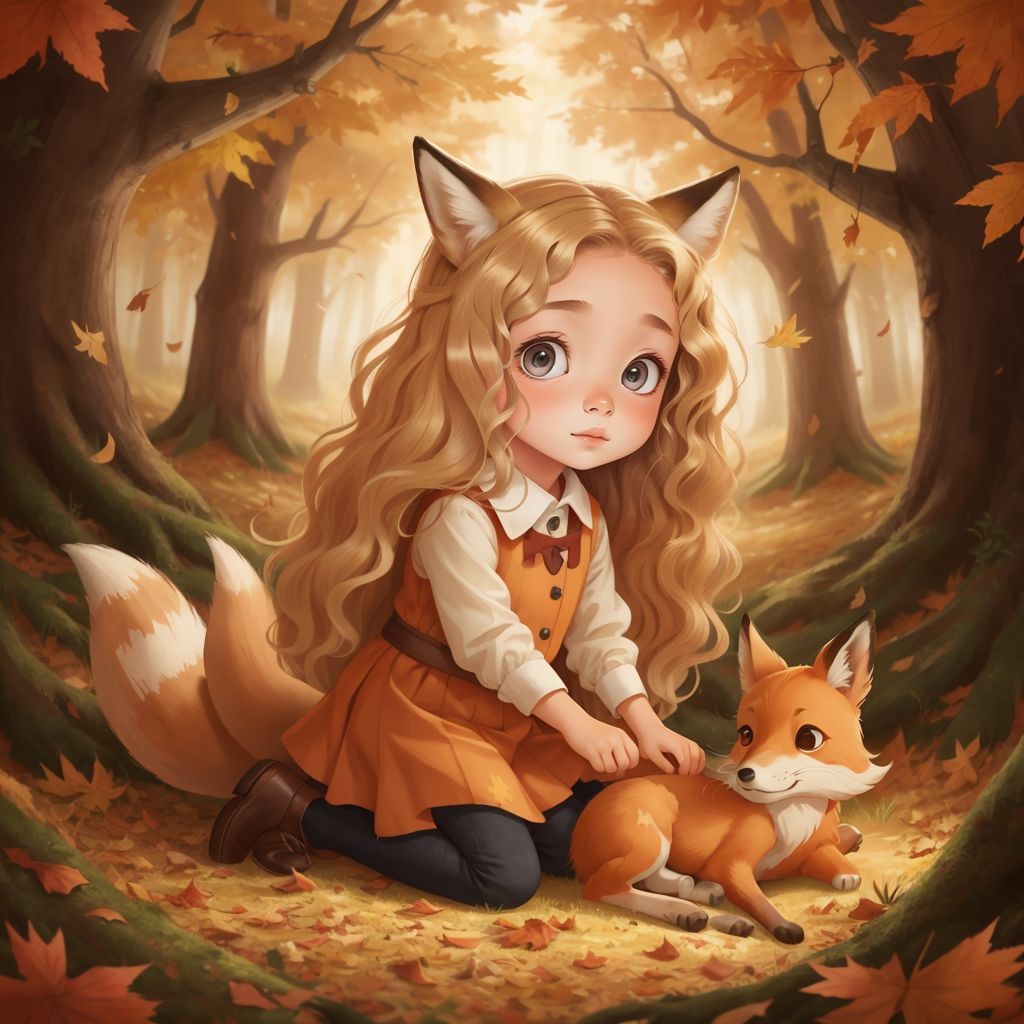
Once upon a time, in a small village on the edge of an enchanted forest, lived a girl named Elara. Different from other children, Elara's mother, Lyria, was a renowned witch known for her spells and potions. Despite feeling lonely, Elara loved exploring the forest. One autumn day, she found an injured fox in a trap, freed it, and named him Fenn. Fenn became her companion, yet Elara still yearned for friendship. Maren, a girl secretly watching Elara, was fascinated by her kindness and magic. One day, Maren saw Elara bring the forest to life and her fear dissolved. A tiny fairy named Lumi appeared, and Elara greeted her warmly. Maren, in awe, stepped out and admitted she had been watching Elara. Elara invited Maren to meet Lumi, and they became friends. They explored the forest together, learning from its magic with Fenn at their side.
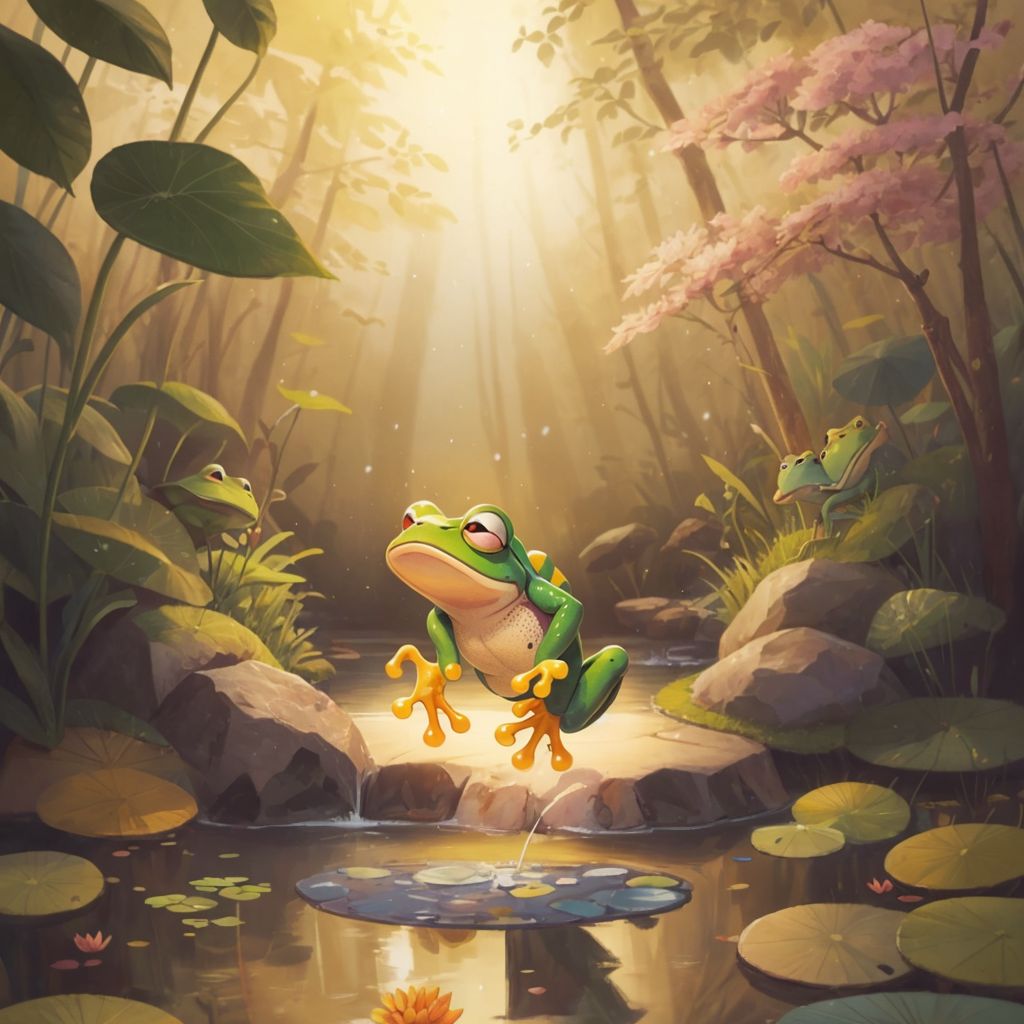
There was a frog named Sammy. Sammy was a happy frog, he loved to splash in his little pond and swim around. His friend, Flipp the Duck, was his best friend. They lived together in their little pond. Sammy hopped around and Flipp paddled through the water. They played hard all day splashing around and then slept on the sandy bank. One day Sammy brought up the fact that they hadn’t gotten rain for a while. Flipp agreed but they shrugged it off and continued to play. They continued to think to themselves that it would rain but after a week they still hadn’t gotten rain. Their pond began to dry up. One day Sammy and Flipp woke up and when they walked down to their pond excited to play, they were met with a dry hole. What was once their pond was now a giant muddy hole. Sammy couldn’t believe it “what are we going to do without a pond?” he muttered. Flipp began to say, “maybe it will rain and then it will fill back up”. Sammy agreed and he and Flipp sat in their muddy hole waiting for even the slightest drop of rain. Days passed without any rain the days were filled with boredom, Sammy began to ask, “will it ever rain?” Flipp responded “it will one day we just have to be patient”. One day while Flipp was curled up and Sammy was staring at the sky, Sammy felt a small drop on his forehead. “Flipp get up I felt a drop!” he screamed, Flipp perked up and looked at the sky more drops began to fall. They both stood up and started leaping with joy as it began to rain harder and harder. They watched as their pond slowly filled back up Sammy yelled “cannon ball!” and jumped in, Flipp watched and couldn’t wait any longer and then he splashed into their pond. They both splashed each other as the rain began to fall even harder. Every day they would play in their pond, and it continued to rain every day for them and they never had to worry about a dry pond again.

İpek, dönme dolaptan korkar ama sonunda babası ve kedisi ile binince çok fazla keyif alır
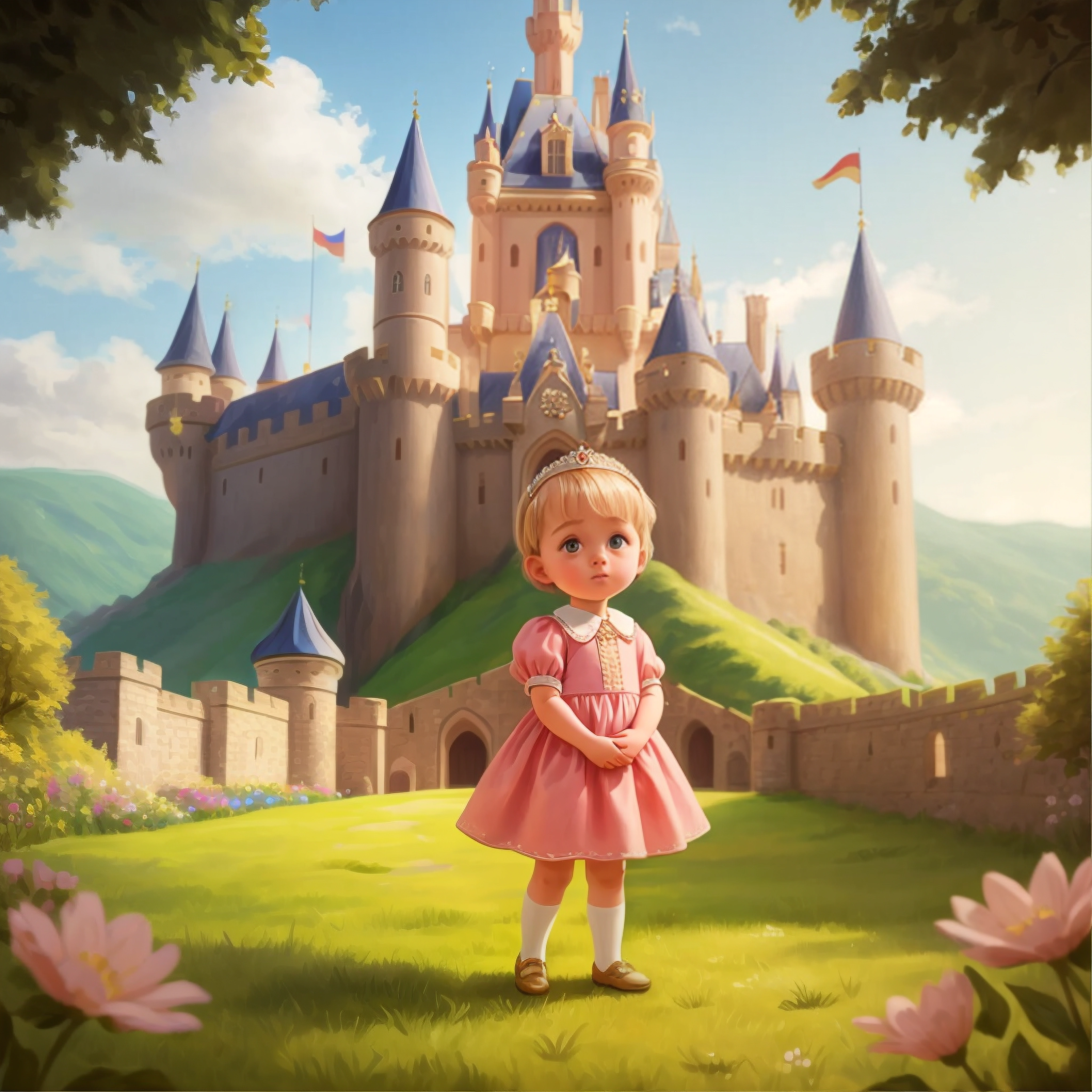
Aniversário de uma linda princesa no castelo encantado
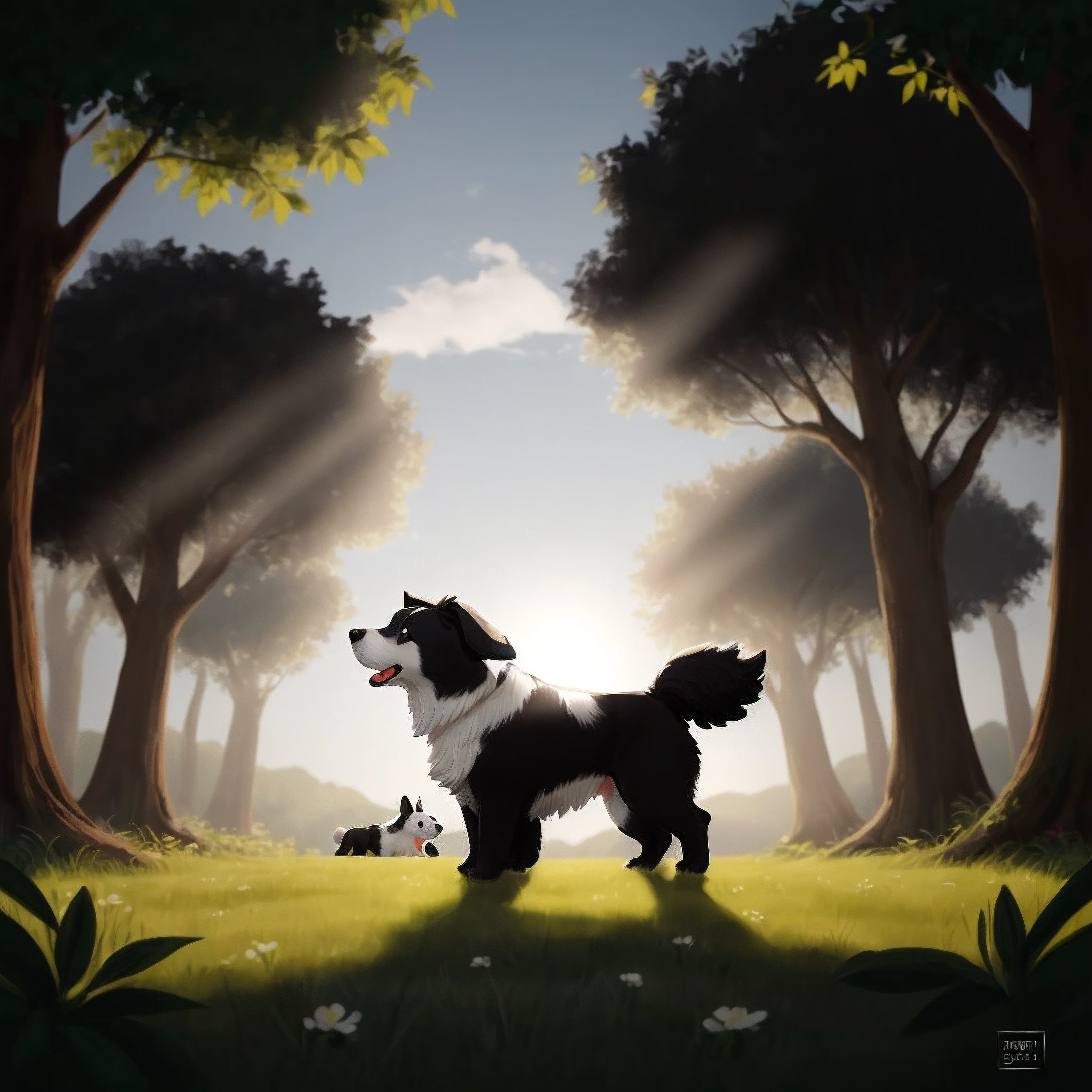
In the children's story, every morning, Benito the Border Collie and his friend Blas the cat have a unique routine. As the sun peeks over the horizon, they meet at the local park for their morning exercise. Benito, full of energy, leads the way with enthusiastic runs, while Blas, with his feline agility, demonstrates impressive leaps and climbs. Together, they race through the dew-covered grass, jump over logs, and navigate through the park's winding paths. Their playful exercises not only keep them fit but also strengthen the bond of an unlikely friendship between a dog and a cat. This delightful story teaches children the importance of regular exercise and the value of friendship across differences.
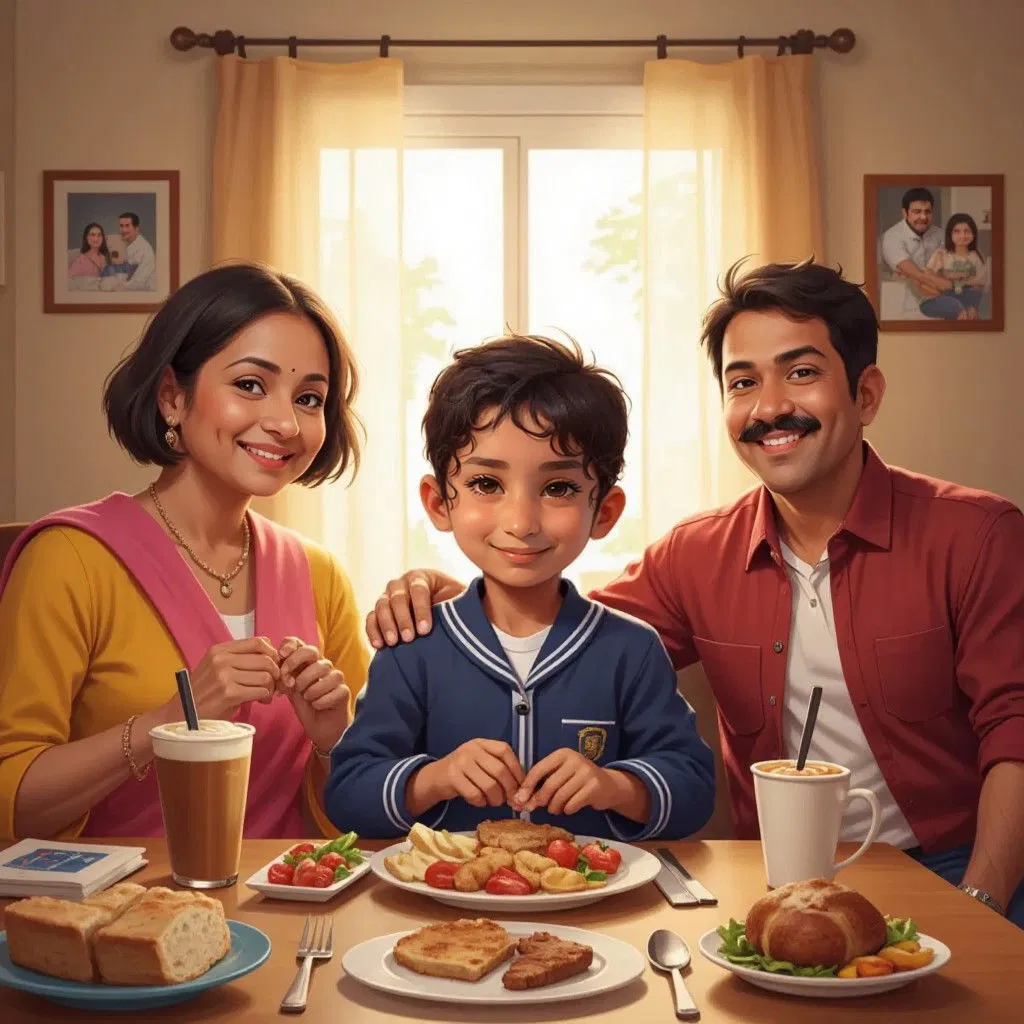
Tejas wakes up nervous for his first day of school. He leaves after breakfast and meets his new teacher, and makes a new friend, and then heads home.
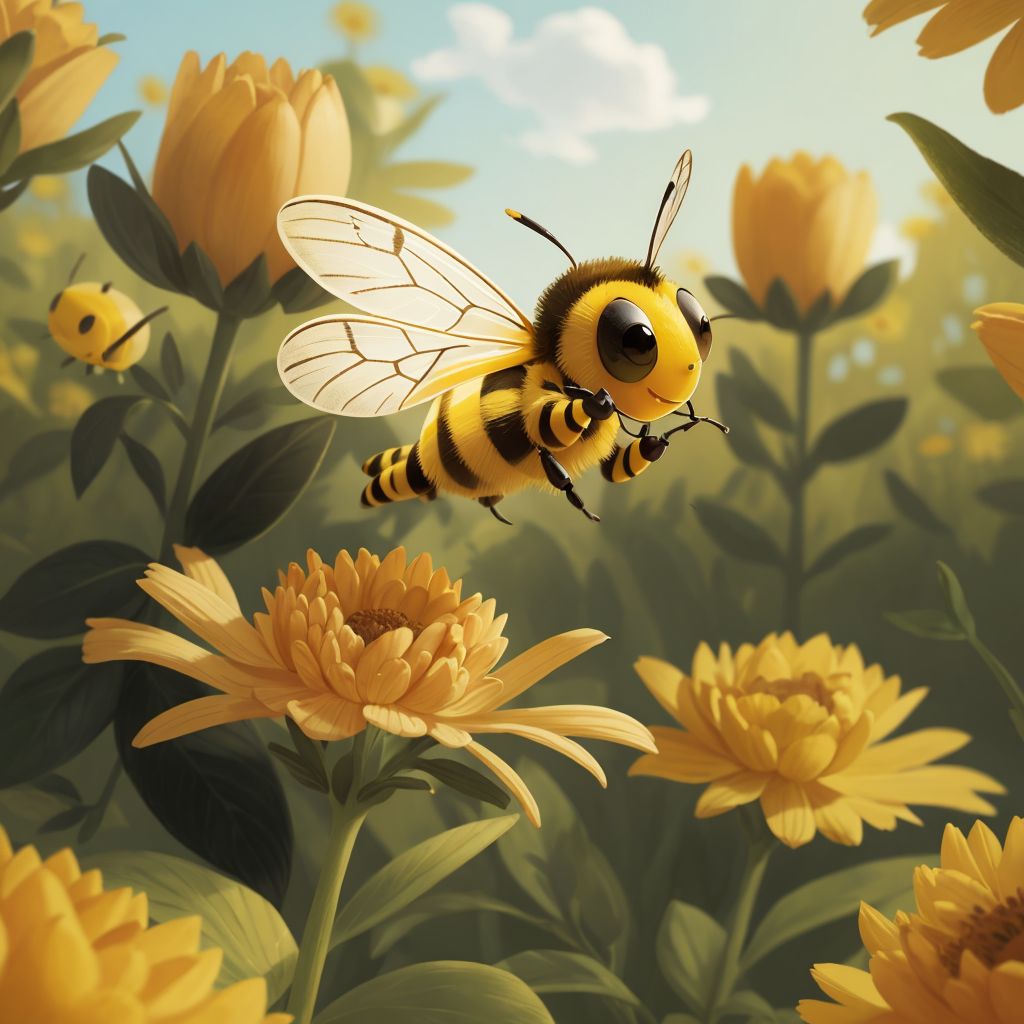
A baby bee becomes a brave buzzer of the beehive with a lesson on the importance of teamwork and community.
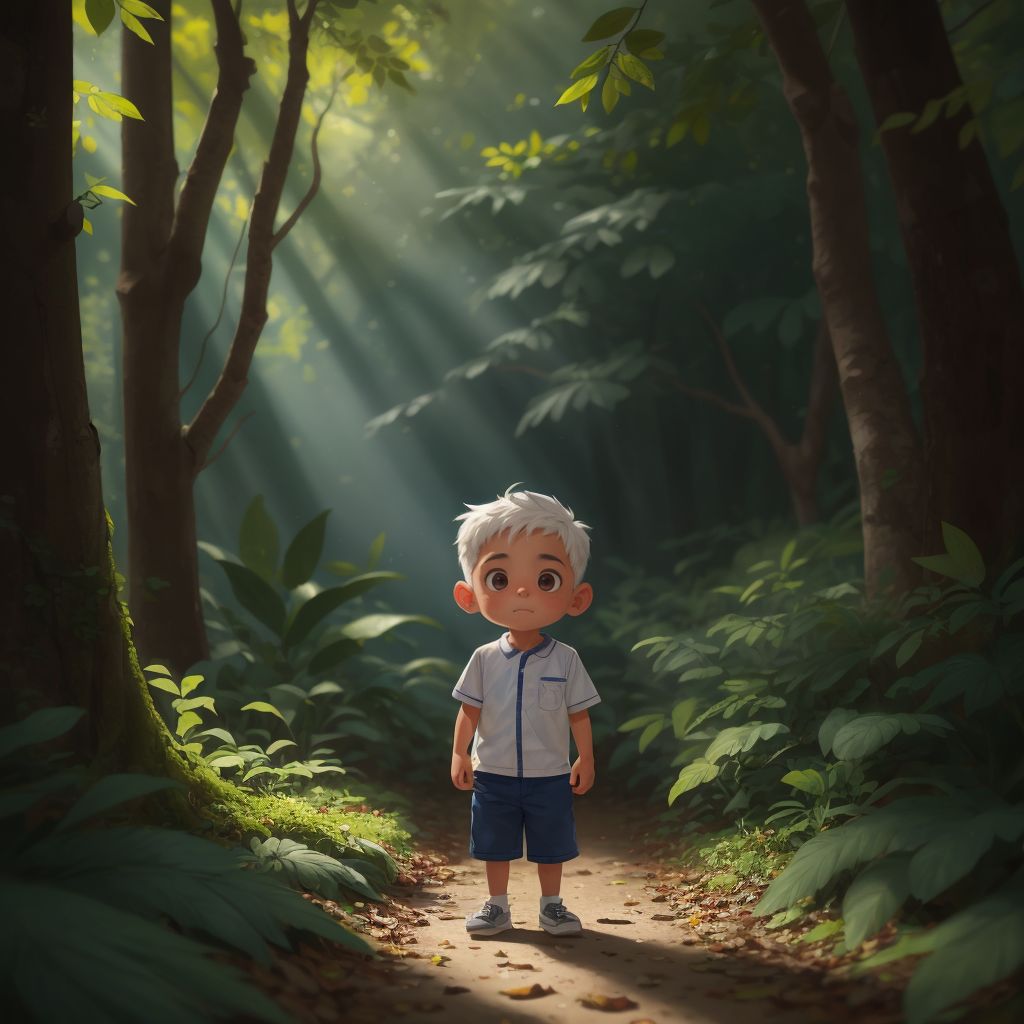
a nice boy searches for a better life in a fairytale with a lot of scares
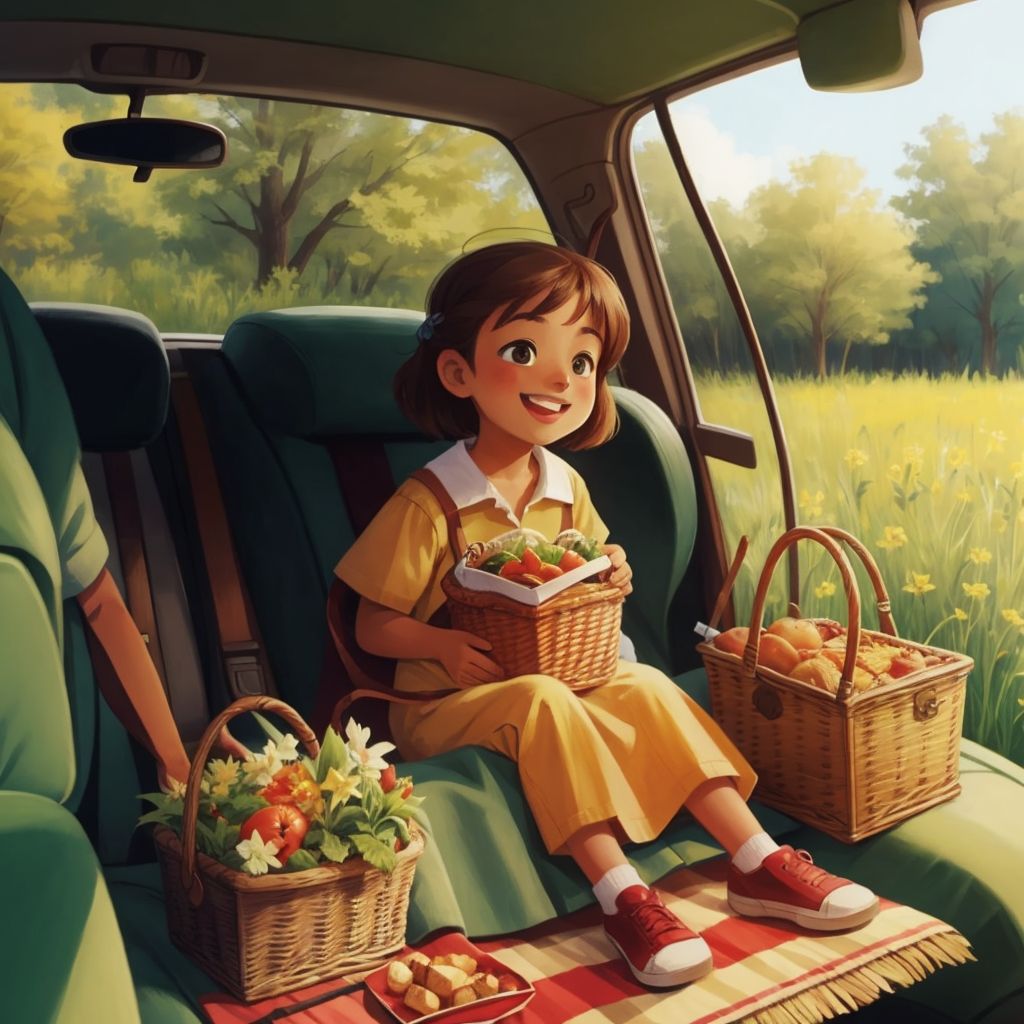
Alva och familjen spenderar en juni dag pa liseberg

A French bulldog who makes power beats to remember our ABCS

1. Mylo and Lou play in Mylo's room with toy cars. Lou talks about how cool Mylo's room is. 2. Mylo and Lou play in the yard with two small brown dogs that have pointy ears. There are palm trees in the background. Lou talks about how fun it is to play with the dogs. 3. Mylo and Lou ride their bikes on the sidewalk during a sunny day in Florida. Lou talks about how fast they go on their bikes. 4. Mylo and Lou are playing at the swings in the park. Lou talks about how high they go on the swings. 5. Mylo and Lou wash their hands in the sink. Lou talks about how dirty their hands are. 6. Mylo and Lou are laying in bed looking sleepy. Lou talks about how tired he is. 7. Mylo and Lou eat food at the dinner table. Lou talks about how yummy the food is. 8. Mylo hugs Lou. Lou talks about how they had an amazing day together. Each page should start with the phrase "My, my, Mylo."
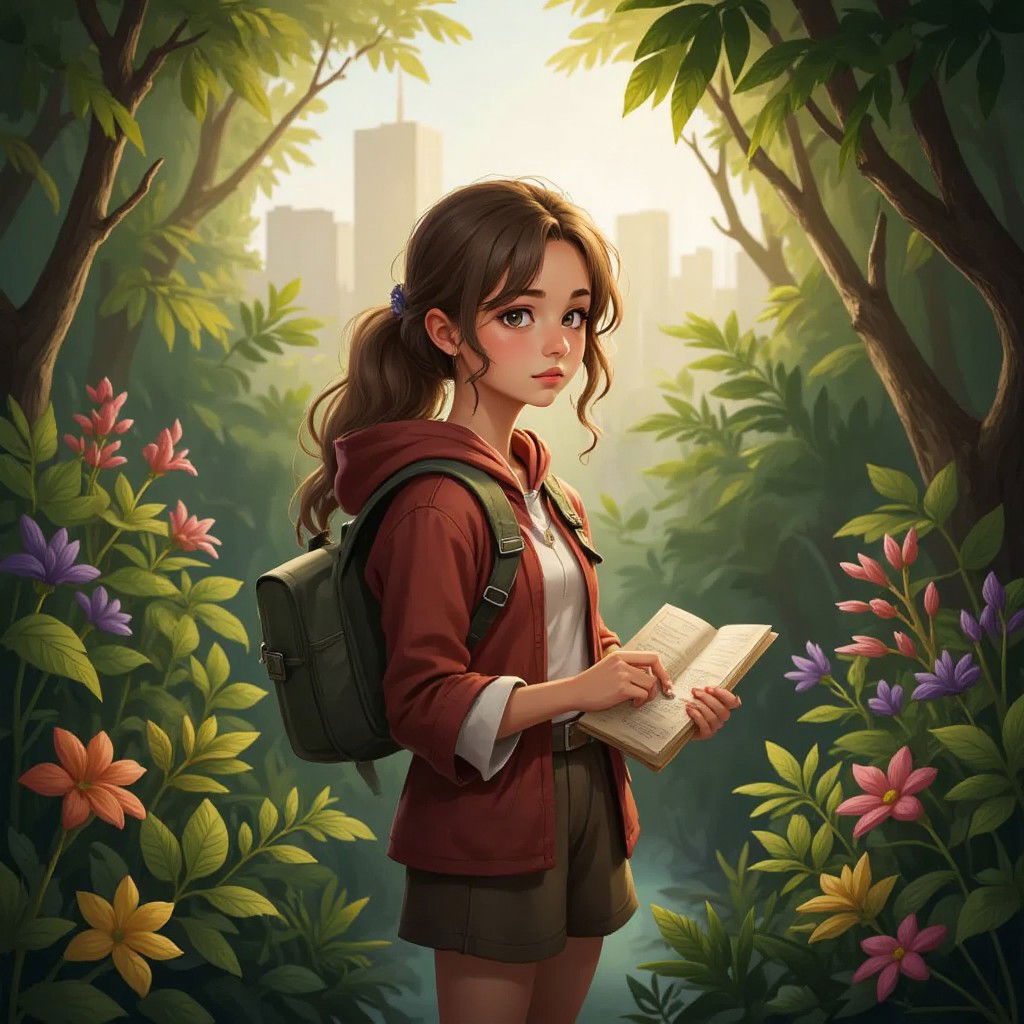
An Exciting Journey Through the Wild!
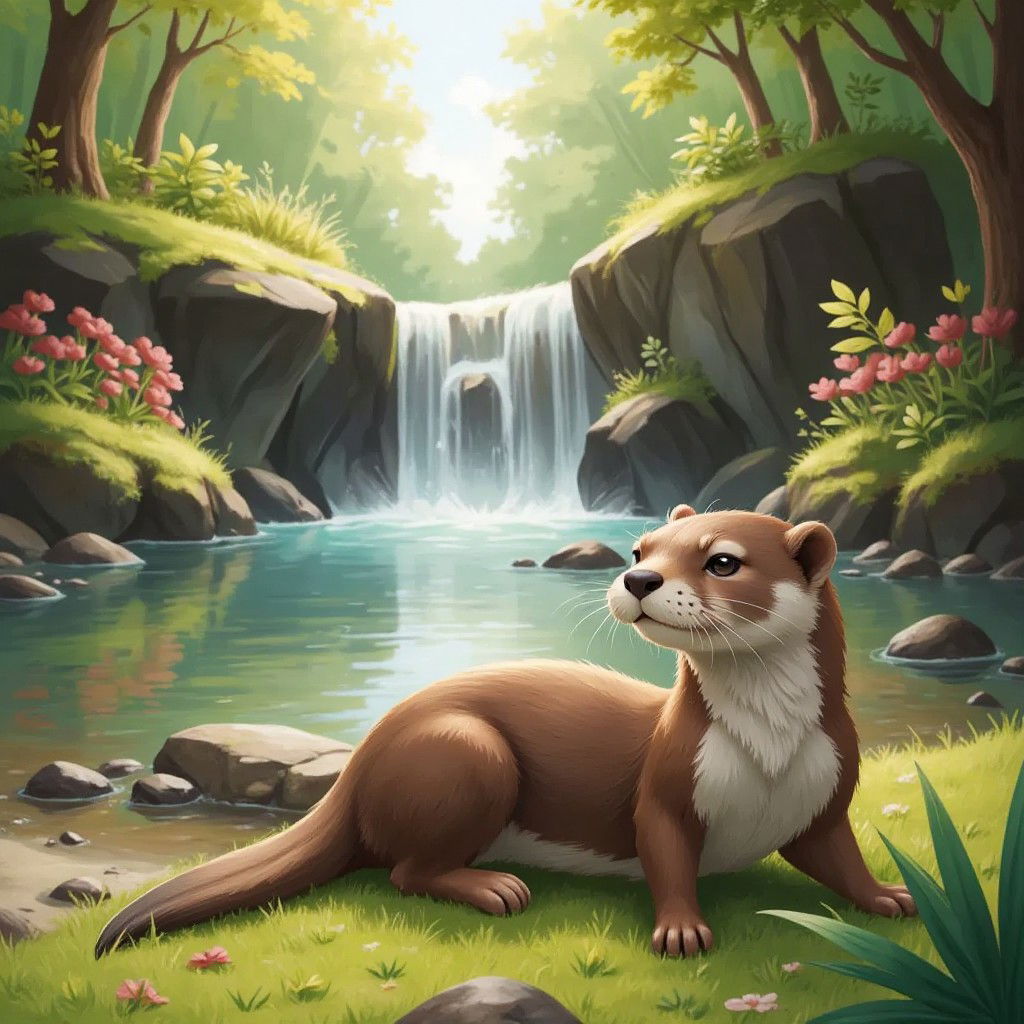
Scene 1 Once upon a time, Itto the Otter was swimming in the river. After going up to land he saw a bird flying freely. Scene 2 Suddenly a bird landed near the beaver. He really admired the pattern of the bird. Itto bravely approached the bird after that they got to know each other, the bird was named Rio, isn't its name very beautiful? Scene 3 How can you have such a beautiful complexion that even your name is beautiful? Itto said. Rio replied with a small laugh, "Thank you for your compliment, but to keep it beautiful, isn't it very difficult to maintain it?" Scene 4 and yes it's true that sometimes we are obsessed with beauty that doesn't make sense even though we ourselves are beautiful enough when seen by other people. Scene 5 do you want to be friends with me? asked Itto, Rio answered happily "of course I want" after that they both had fun

The Holy Spirit as a Helper: Describe the Holy Spirit as a special helper that God gives us. You can say, "The Holy Spirit is like a friend who helps us make good choices and feel God's love." This helps the child understand the supportive role of the Holy Spirit in their lives God's Presence: Explain that the Holy Spirit is always with us, even if we can't see Him. You might say, "The Holy Spirit is like the air we breathe; we can't see it, but it is always there helping us." This analogy helps convey the idea of the Holy Spirit's invisible yet powerful presence Use Relatable Concepts The Holy Spirit as a Comforter: Emphasize that the Holy Spirit comforts us when we are sad or scared. You can tell the child, "When you feel lonely or afraid, the Holy Spirit is there to give you a warm hug and help you feel better." This illustrates the comforting aspect of the Holy Spirit Helping Us to Be Good: Explain that the Holy Spirit helps us to be kind and loving. You might say, "The Holy Spirit whispers in our hearts and tells us to share, be nice, and help others." This shows how the Holy Spirit guides us in our actions Use Analogies Wind and Breath: Describe the Holy Spirit as being like the wind. You can say, "Just like we can feel the wind on our faces but can't see it, the Holy Spirit is with us and helps us, even though we can't see Him." This analogy helps the child understand the Holy Spirit's presence in a tangible way A Light Inside Us: Explain that the Holy Spirit is like a little light inside us that helps us shine. You might say, "The Holy Spirit helps us be bright and happy, just like a light helps us see in the dark." This metaphor illustrates how the Holy Spirit brings joy and guidance
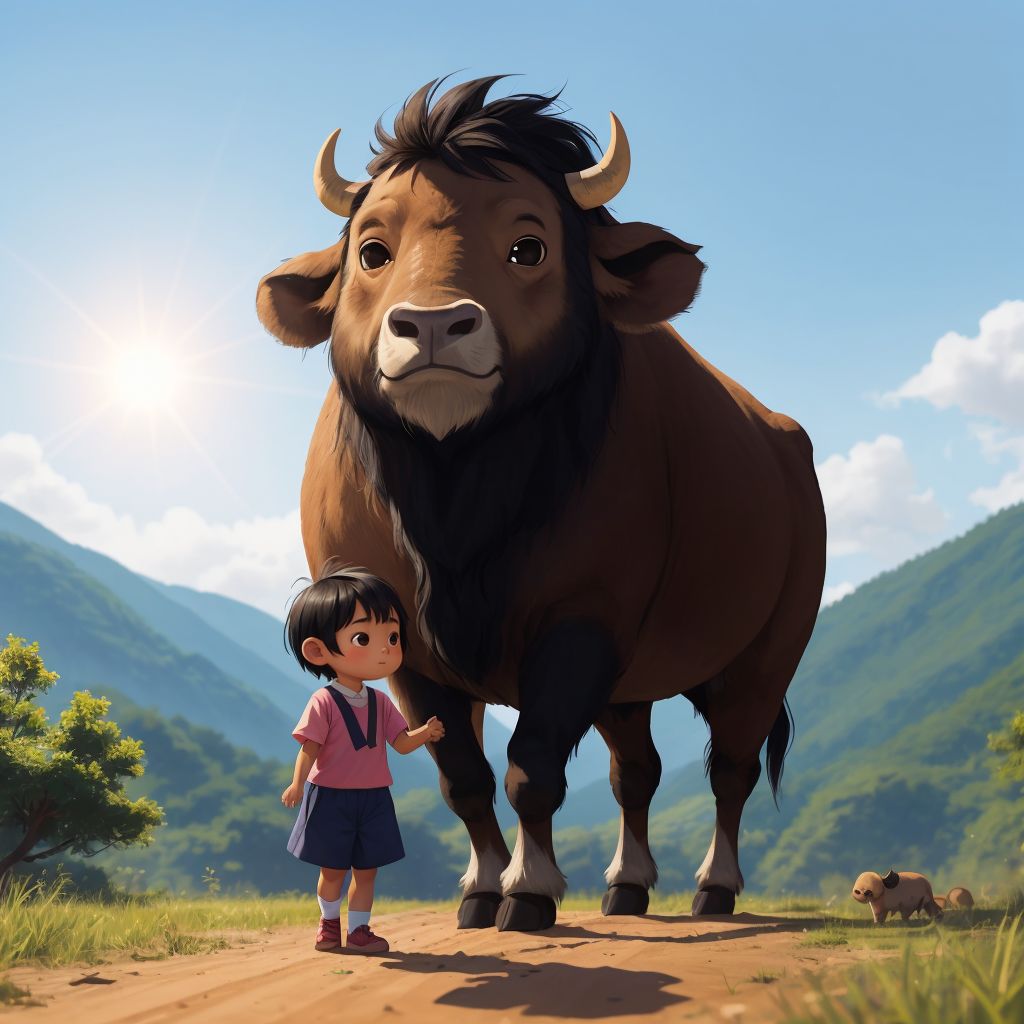
Anoa and Trang is friends forever. They play together everyday. They have a good time together. One day, Bunga ask Anoa to come to school with her. But Anoa is scared to leave the village. School is far away. It's pitch black when they cross the mountain. Anoa suddenly squeks in terror. Bunga shines her flashlight at the bushes. She shows Anoa that the shapes are only rocks. Anoa feels lucky. They come to a swallow river. Maleo said "Bunga, we have to go back". They are brave but now they are wet. Anoa cry "I want to go home" "But the sun is up now You will dry soon" said Bunga. "I love this field. We don't have to go to school. Let's play here" said Anoa. "But school is much more fun than this. Come on" bunga say. "No. I won't go. School is still so far away. Don't make me go" said Anoa. "Anoa, look. We made it. All our friends are here." said Bunga. Anoa can't believe it. "This is great" , Anoa say. Anoa wants to come back tomorrow. She loves school
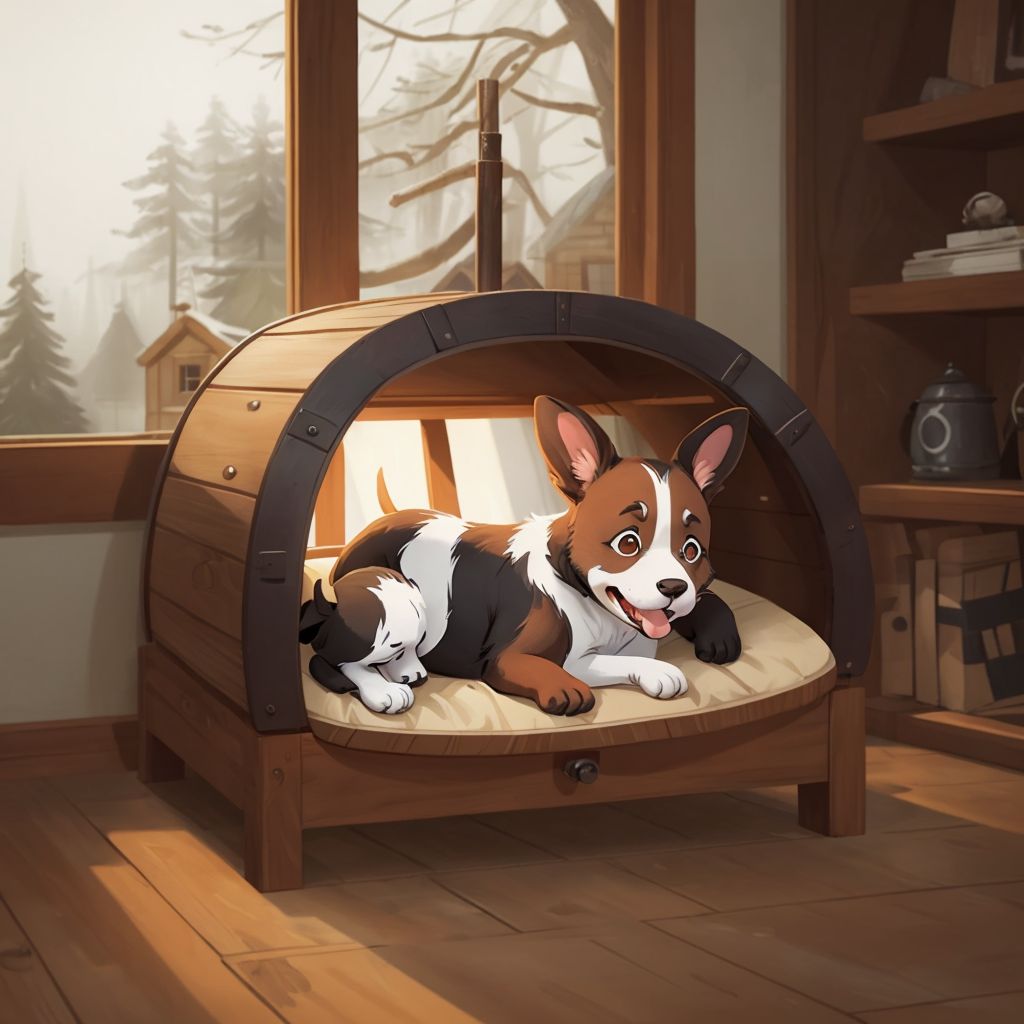
1. It is a foggy spring morning and Dookie is sleeping peacefully in his dog house 2. His floppy ears pick a strange sound near his house 3. Dookie runs outside the house, looking around the house, but he can't see anything 4. He sniffs the air and he is sure that a hairy creature is nearby 5. He stucks his nose under his dog house and sniffs hard and he is sure that someone is beneath the house 6. He diggs and diggs and gets his head beneath the house to find a mole hole. His tail is high in the air. A mole looks him direct in the eyes 7. As the mole saw Dookie it began running all around the yard. 8. Dookie starts to chase the mole, left and right, up and down until the he chased the mole out of the yard. 9. Dookie with his nose high returns to his house, proud and happy. 10. But, as the fog began to lift slowly, in front of himself Dookie noticed a dozen of mole hole, each with a mole on the top, looking at Dookie with defiance 11. Dookie cries in despair, as he knows this is the battle that he cannot win. The End
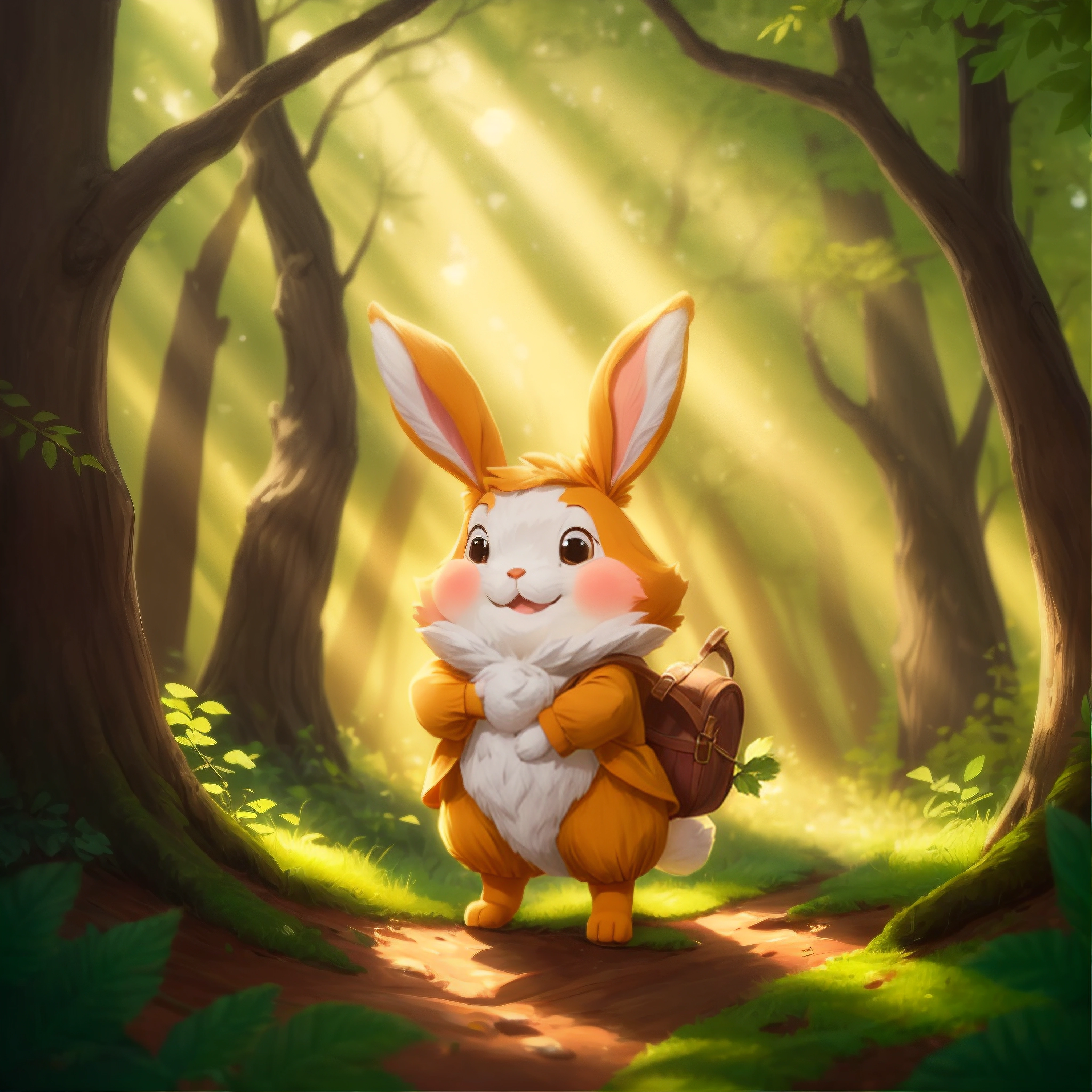
Embark on a whimsical journey with 'The Enchanted Trio: The Gratitude Quest.' Meet Benny the Bunny, Lila the Squirrel, and Oliver the Owl—three inseparable friends in a mystical forest. As they discover the extraordinary Tree of Gratitude, the trio sets out on a heartwarming adventure to understand the magic of thankfulness. Through challenges, acts of kindness, and daily expressions of gratitude, they witness the enchanting transformation of the Tree of Gratitude, turning their ordinary forest into a realm of extraordinary joy. This delightful tale teaches young readers the timeless lesson that a thankful heart can make every day a magical adventure. Join Benny, Lila, and Oliver on a journey of friendship, kindness, and the joy of appreciating life's simple pleasures in this charming and uplifting story.
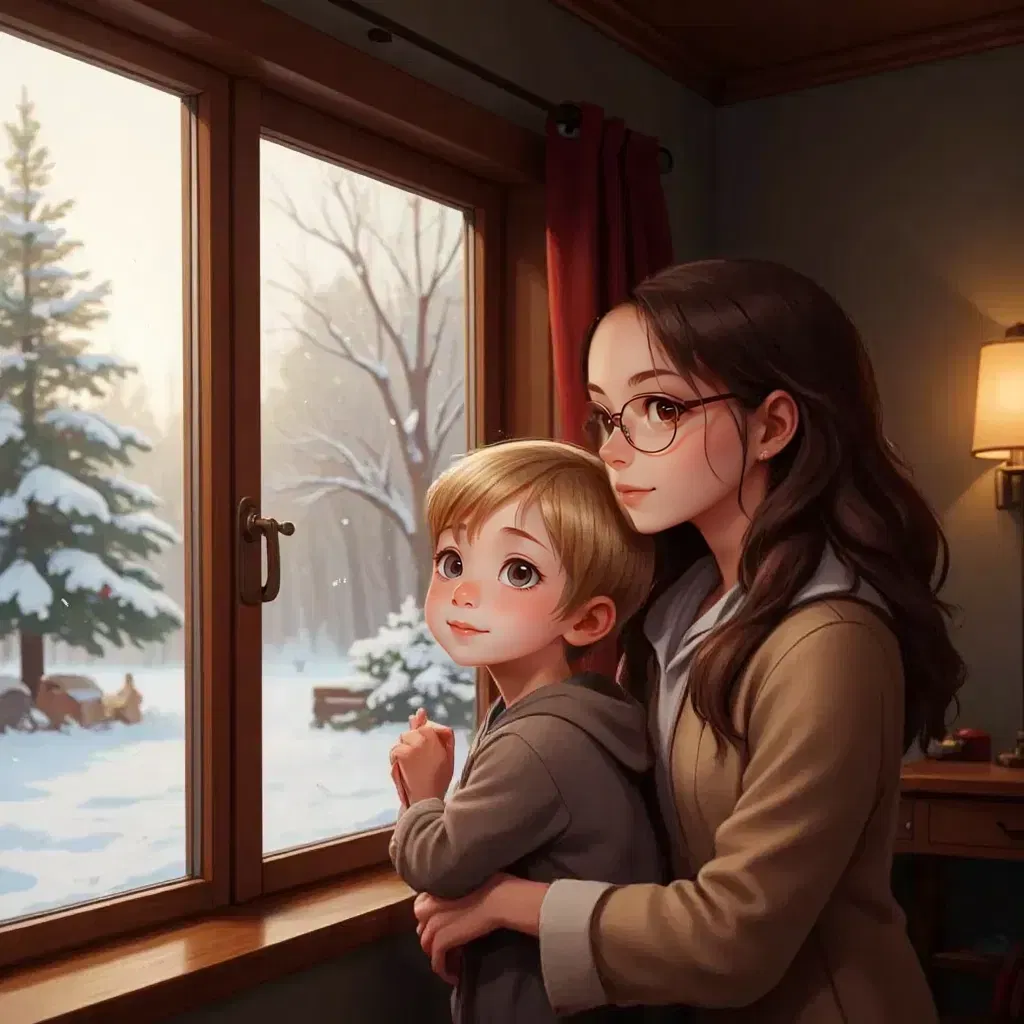
A blonde child is sad he cant go to the beach because its snowing but then gets happy because he gets to ride a snow machine

Plot: Sammy, a curious dolphin, discovers that his ocean friends have lost their ability to sing. He embarks on a quest to find the magical pearl that restores their voices. Moral: Teamwork and determination can solve any problem.

Special weekend activities with dad create meaningful memories and strengthen the parent-child bond.