
 Start Read
 Recommend
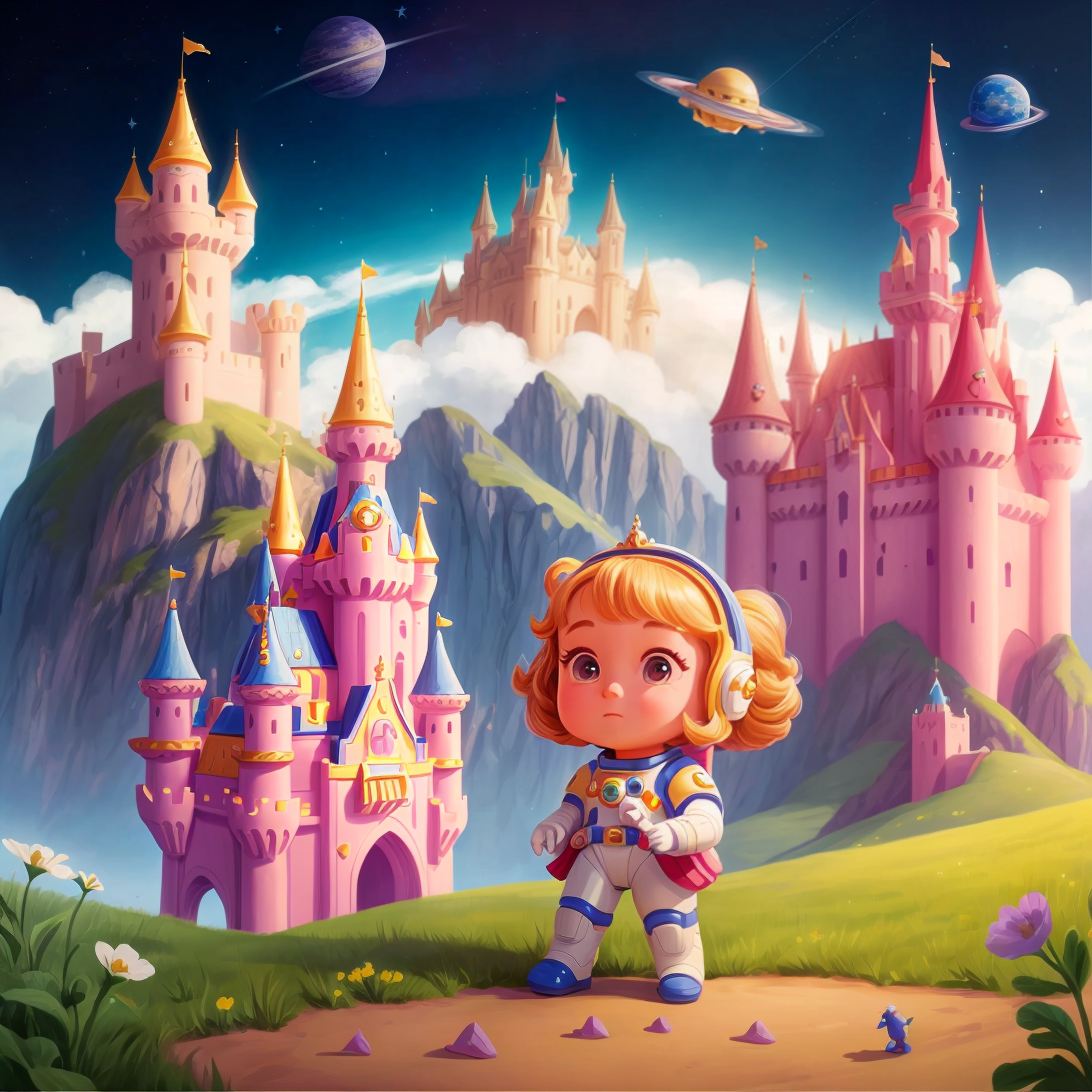
Princess Poppy and her giant Newfoundland Dog Gustav, leave their castle home and fly to the moon. They discover a space shuttle landing site, play on the moon, then return home to their garden.
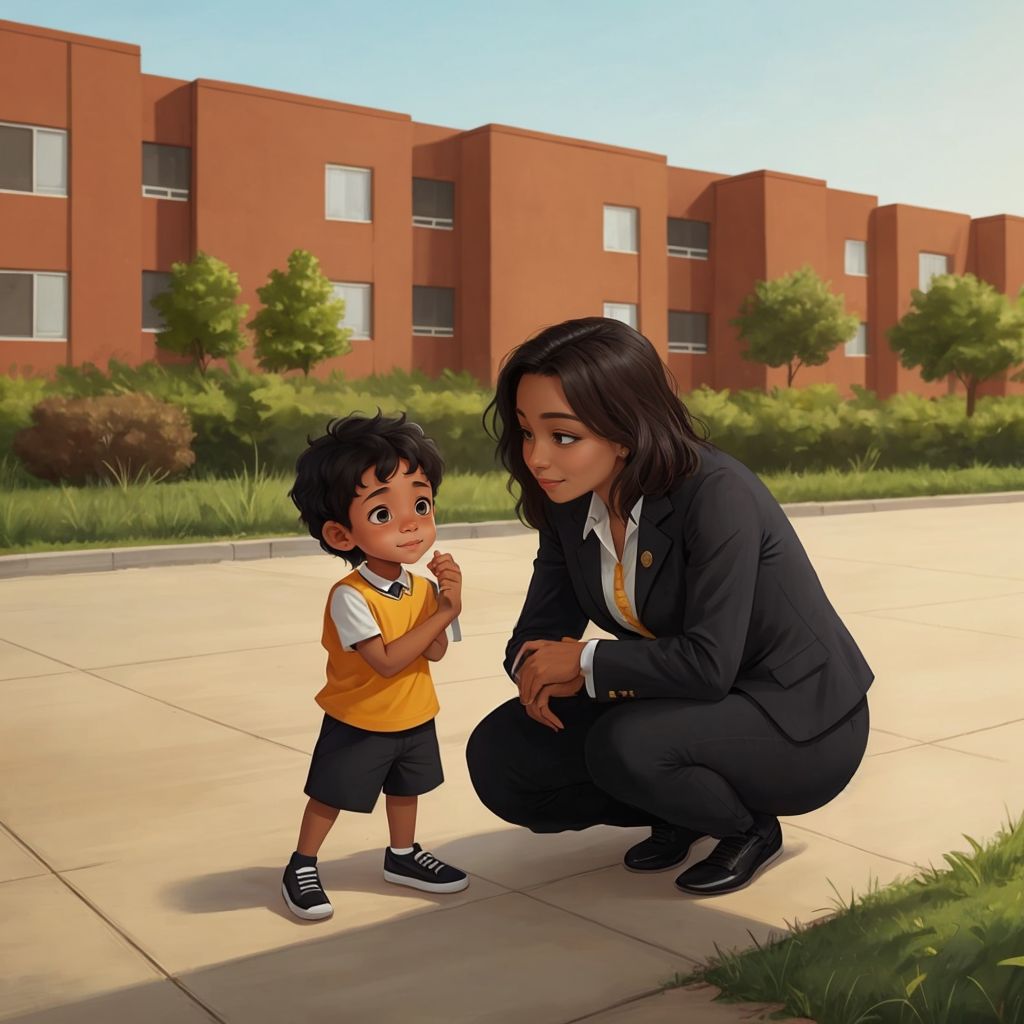
Adam goes to a new school and feels scared but he learns new rules, meets new staff and settles in day by day.
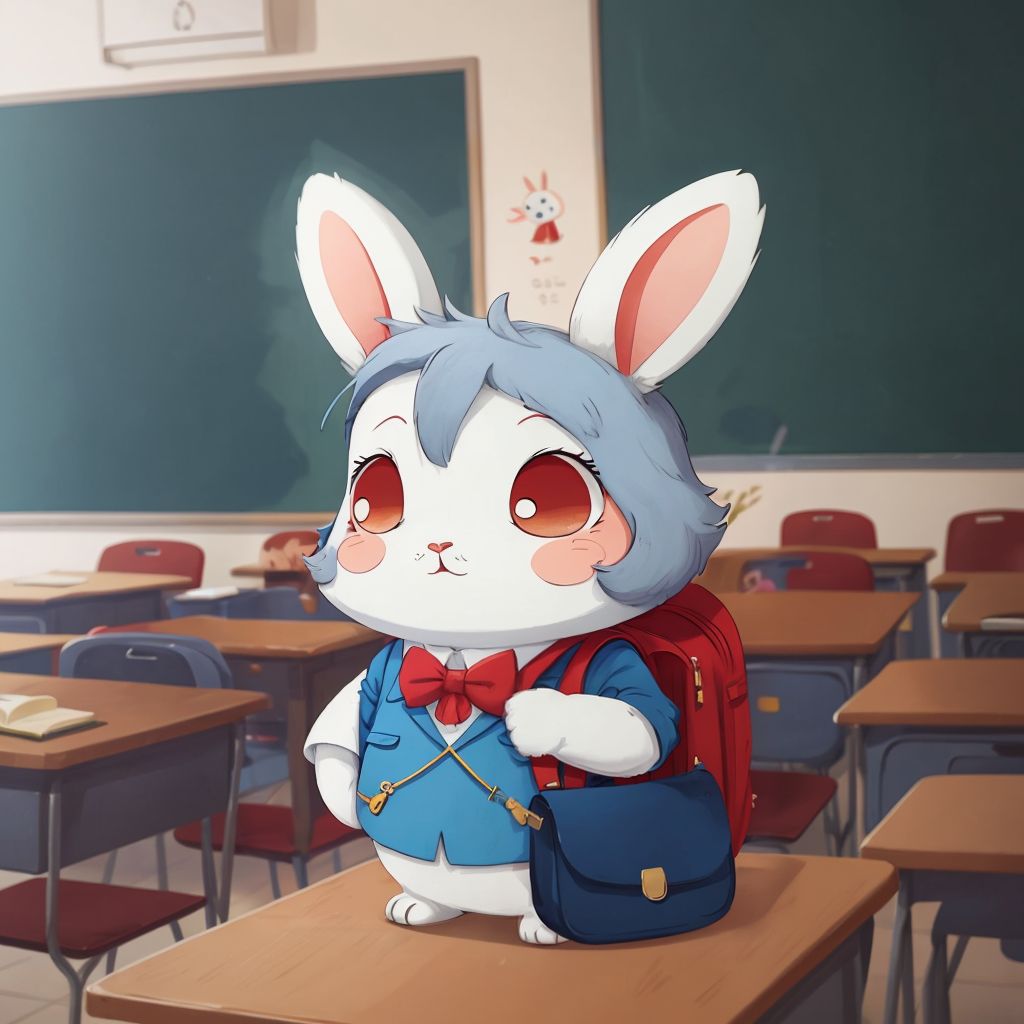
Léo, un petit lapin, arrive dans une nouvelle école où il rencontre différents animaux (une girafe qui bégaie, un éléphant qui porte des lunettes, un ours timide...). D'abord surpris par leurs différences, il apprendra au fil de la journée que chacun a ses qualités uniques et que c'est ce qui rend l'école si spéciale.
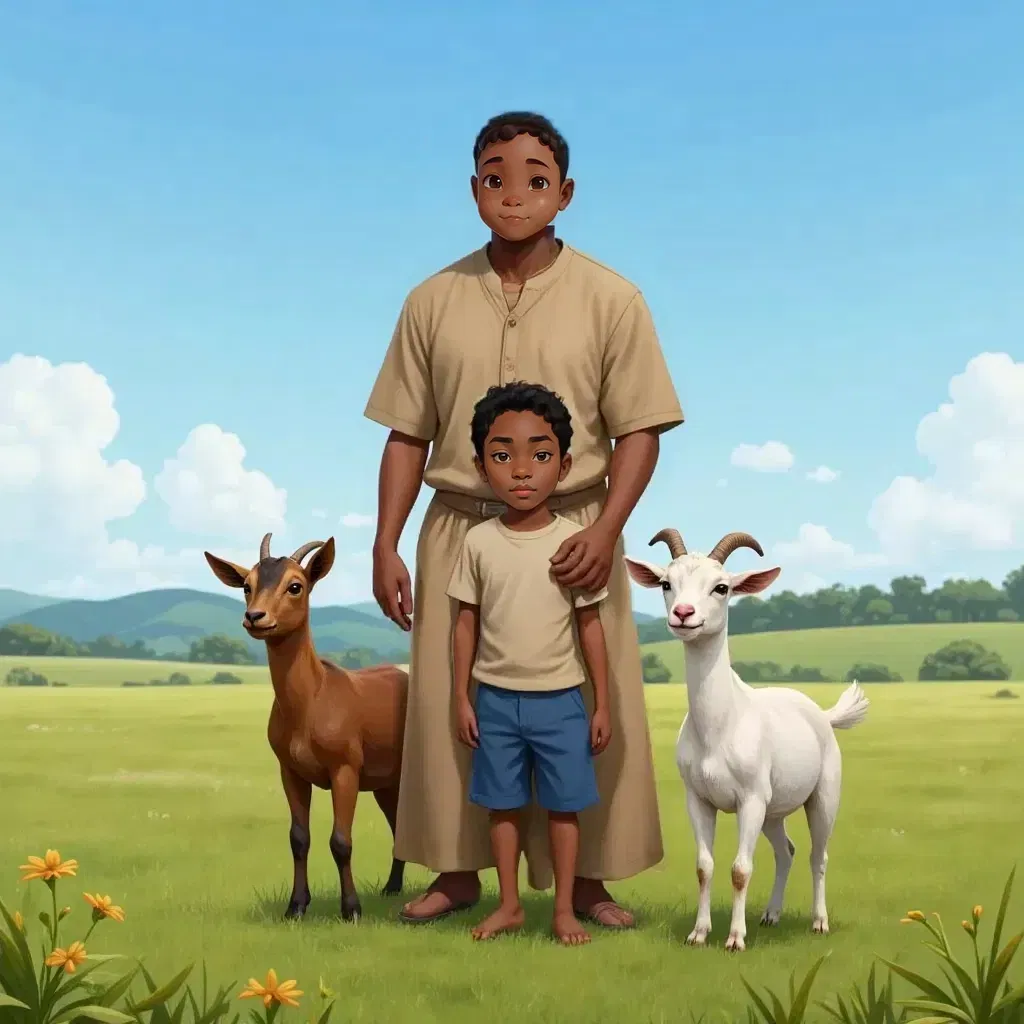
Write a 20-page Ugandan children’s story for P1 about a boy who loses his goat but finds it and learns responsibility. Page 1: This is Kato. He lives in a village in Uganda. Page 2: This is Kato. He lives in a village in Uganda. (Image: Mud house, banana trees) Page 3: Kato’s father gave him a goat. “Take good care of her,” he said. (Image: Father handing Kato a rope tied to a brown goat) Page 4: Kato took the goat to graze near the garden. (Image: Goat eating grass, Kato watching) Page 4: His friends called him. “Come play football!” (Image: Boys waving near a makeshift goalpost) Page 5: Kato tied the goat to a tree and ran to play. (Image: Goat tied loosely, Kato kicking a ball) Page 6: The goat pulled and pulled. The rope came loose! (Image: Goat freeing itself) Page 7: Kato looked back. The goat was gone! (Image: Empty rope, Kato’s shocked face) Page 8: “Where is my goat?” Kato cried. (Image: Kato searching bushes) Page 9: He asked Mama Nalongo. “Did you see my goat?” (Image: Old woman shaking head) Page 10: He asked the shopkeeper. “No,” said Mr. Sseguya. (Image: Kato at a roadside kiosk) Page 11: Then, he heard a sound: “Maaah!” (Image: Goat’s head peeking from a maize field) Page 12: The goat was eating Mr. Opio’s maize! (Image: Goat munching crops, angry farmer) Page 13: “I’m sorry!” Kato said," “I will help fix it.” (Image: Kato bowing head) Page 14: Kato and Mr. Opio replanted the maize. (Image: Both working in field) Page 15: Kato tied the goat properly this time. (Image: Double knot on rope) Page 16: His father said, “Always watch the goat. She is your responsibility.” (Image: Father kneeling to talk to Kato) Page 17: Kato never left the goat alone again. (Image: Kato sitting with goat while friends play) Page 18: The goat grew big and strong. Kato was proud! (Image: Fat goat, Kato smiling) Last Page: "THE END. What did Kato learn"? (Image: Kato feeding goat)
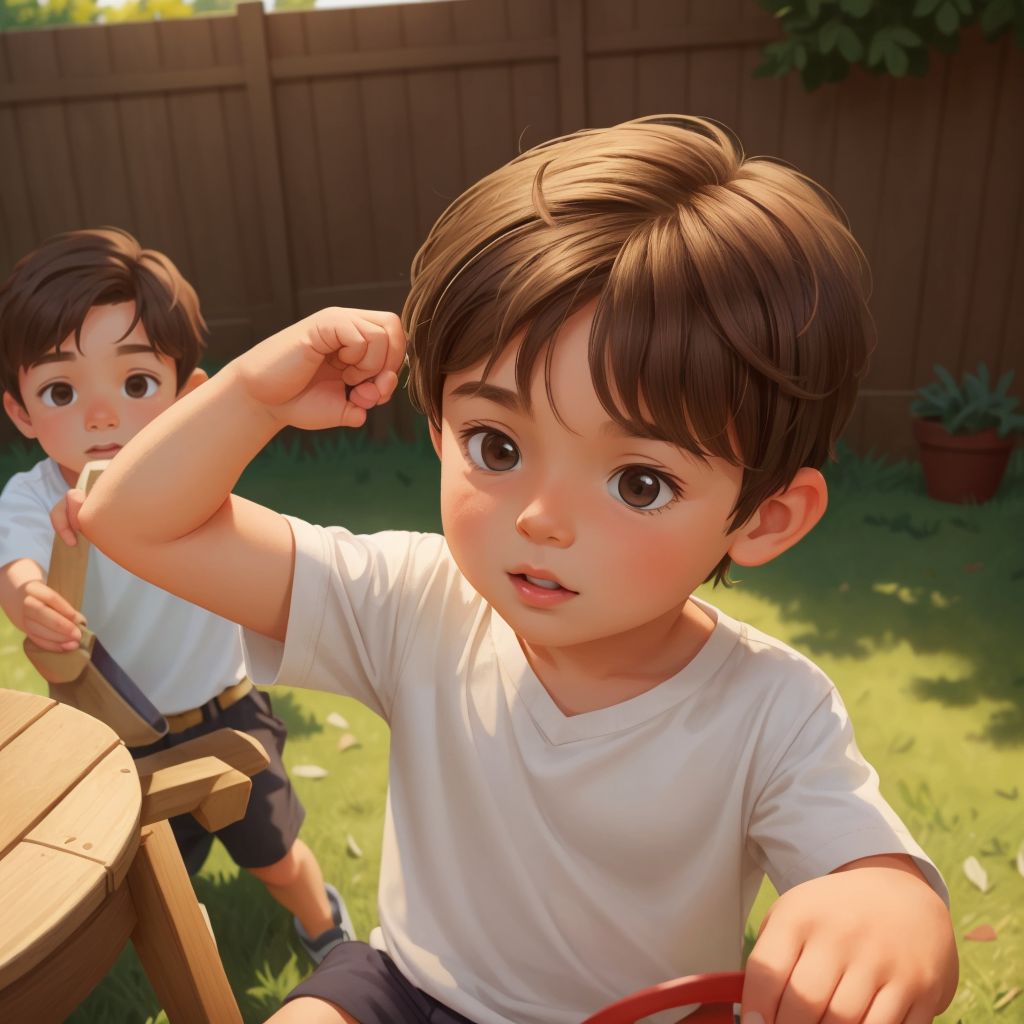
Caleef is a brave, imaginative little boy with a heart full of curiosity. One sunny afternoon, he discovers an old, crinkly treasure map hidden in his backyard. With his trusty backpack and boundless spirit, Caleef sets off on an adventure across forests, rivers, and secret hideaways! Along the way, he encounters clever animals and hidden clues, learning valuable lessons about friendship, perseverance, and believing in himself. Caleef and the Mysterious Treasure Map is a thrilling, heartwarming story that will inspire children to embrace their curiosity and never give up on their dreams!
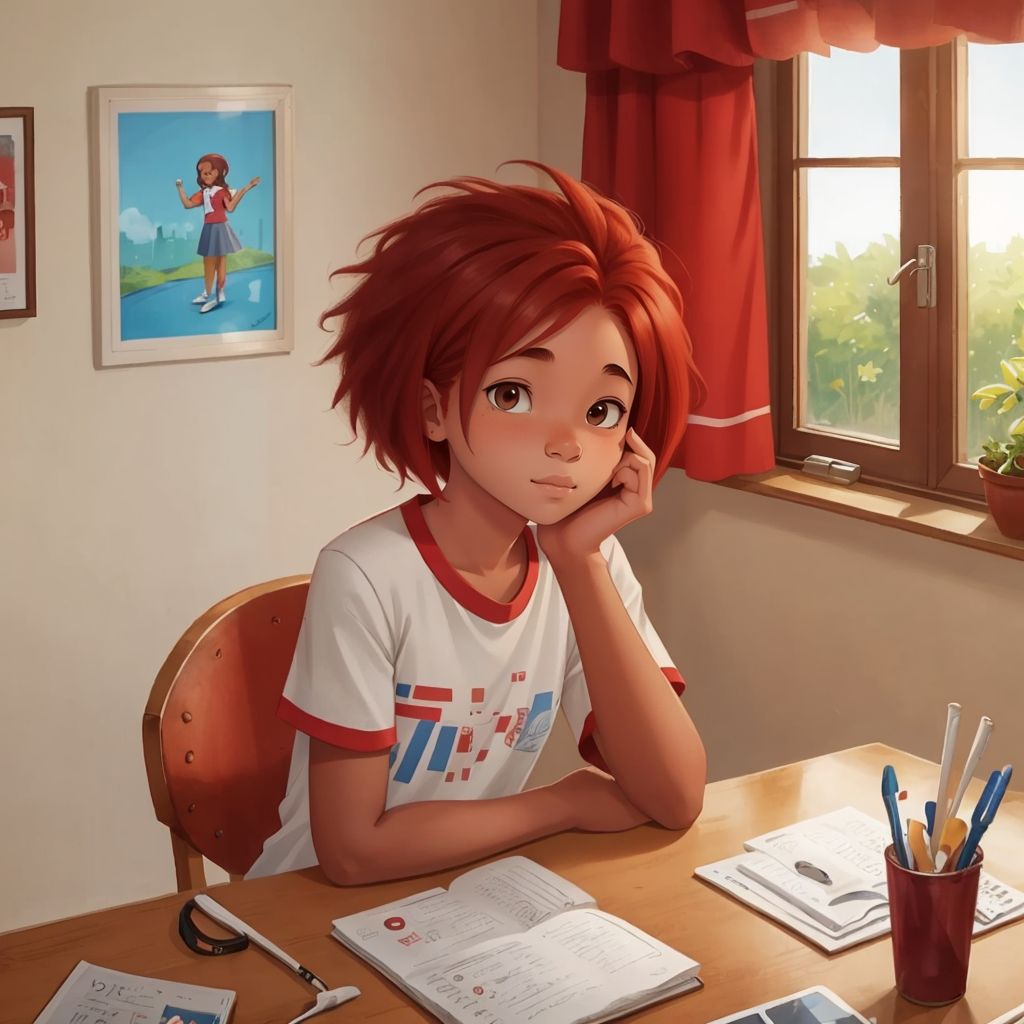
### Making Friends on Social Media **Description:** In today’s digital age, making social media friends is exciting and challenging. This story follows Emma, a shy college student who struggles to connect with others in her new environment. Seeking connection, she turns to social media, where she encounters a vibrant world of potential friendships. Emma navigates various platforms, from Instagram to TikTok, learning the art of online interaction. Through engaging posts and stories, she discovers how to share her passions—art, music, and baking. As she becomes more active, she meets a diverse group of individuals: a fellow artist from across the globe, a musician who shares her love for indie bands, and a baking enthusiast who inspires her to try new recipes. Through relatable experiences, like awkward messages and the joy of finding common interests, Emma learns to embrace vulnerability online. She also faces challenges like dealing with online negativity and the pressure to present a perfect image. Yet, with each connection, she grows more confident, finding her voice in the digital realm. As Emma forms deeper friendships, she discovers the power of community and support. Together, they collaborate on projects, host virtual hangouts, and share life’s ups and downs, proving that true friendships can blossom even through a screen. “Making Friends on Social Media” is a heartwarming exploration of connection in the modern world. It celebrates authenticity, creativity, and the beauty of finding your tribe online. Join Emma on her journey to friendship and self-discovery in the ever-evolving social media landscape!
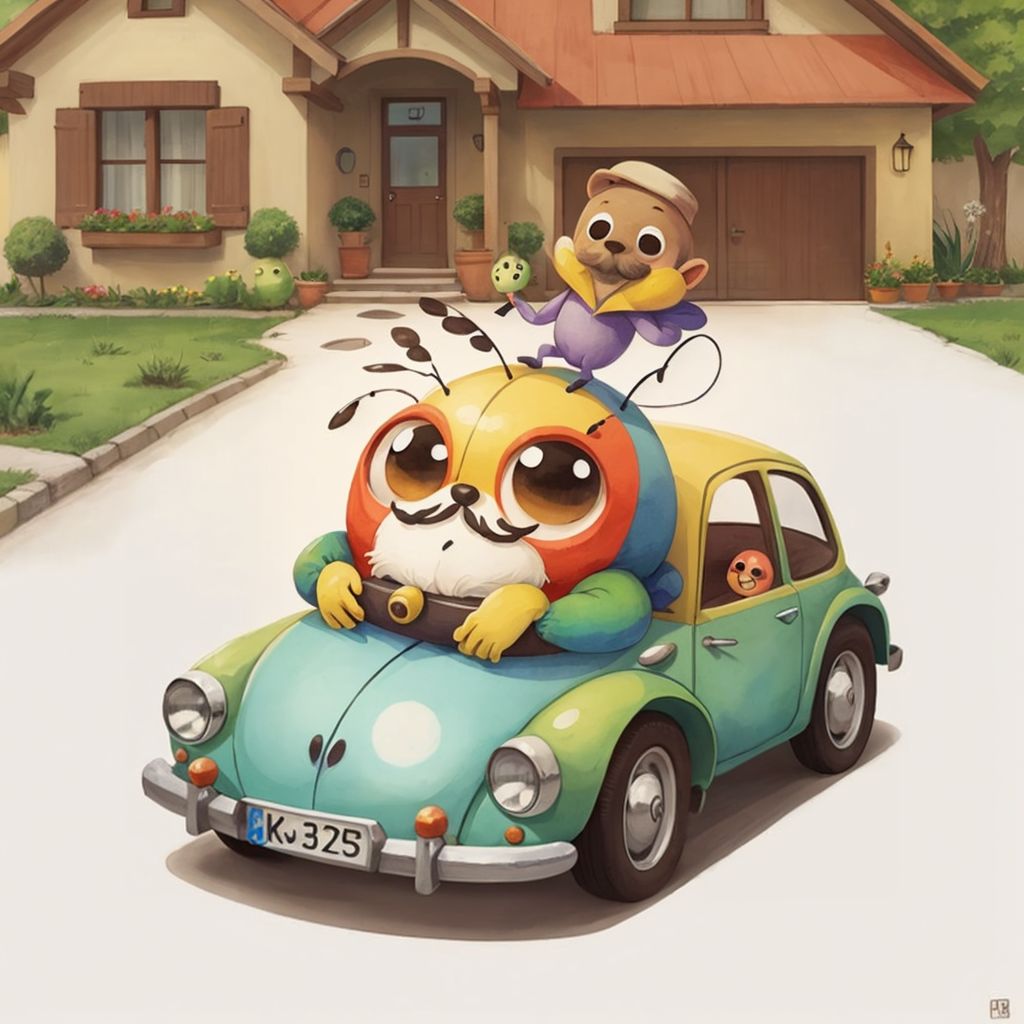
Domenica Tic, Vick Tic, Mic Tic and Rick tic go on a drive. Domenica Tic taps the steering wheel, Vic Tic opens her window, Mic Tic makes a funny face and Rick Tic claps his hands. then they come to a stop light and calm down.
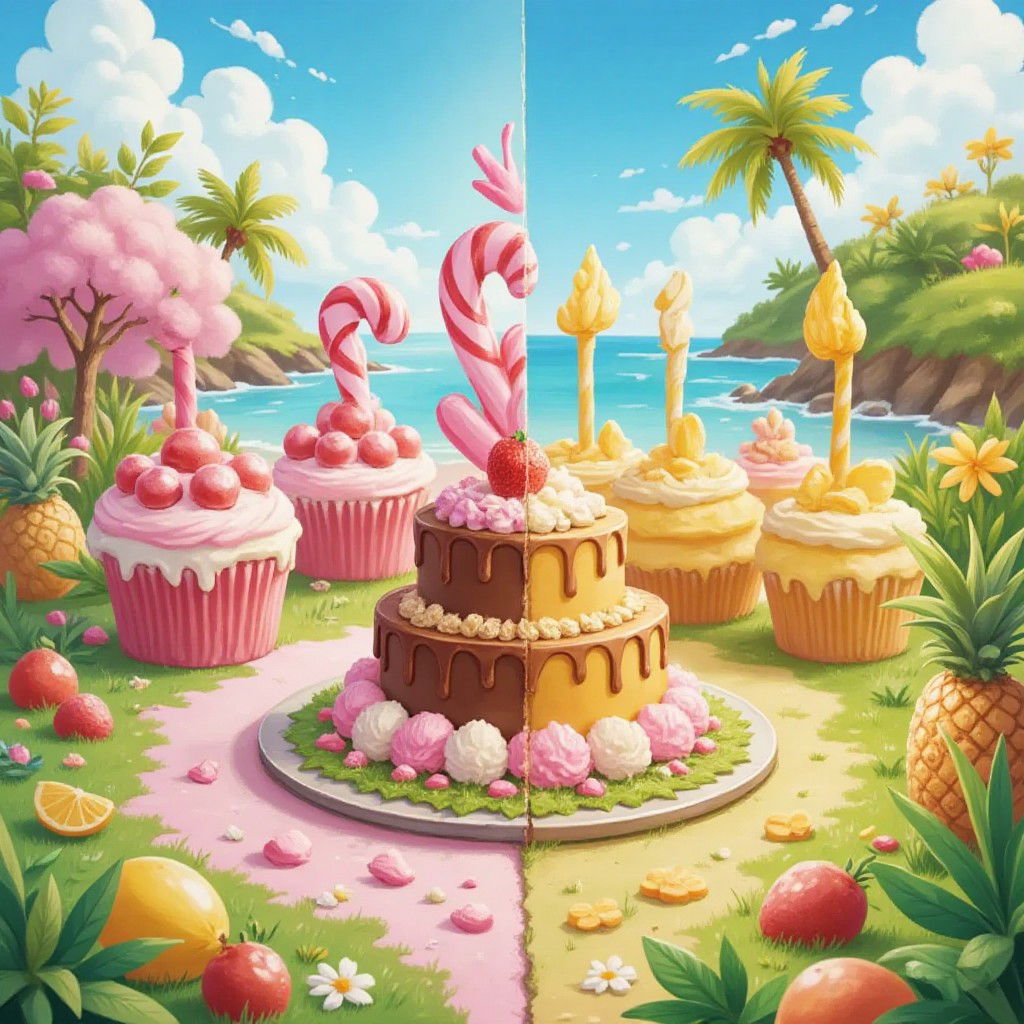
Characters: Candyland (a country of candy-makers) Fruityland (a land of fruit farmers) A wise owl named Professor Trade, who explains how trade works. Story: Page 1: Introduce Candyland and Fruityland. "Candyland loves making chocolates, lollipops, and jelly beans, but they don’t grow pineapples very well. Fruityland has the best pineapples but no time to make candy!" Page 2: Professor Trade explains the problem. "Candyland and Fruityland both want more yummy treats. 'How can we get what we want without wasting time?' they ask." Page 3: The idea of specialization. "Professor Trade says, 'Candyland should focus on what it does best—making candy! Fruityland should stick to growing fruit!'" Page 4: Explain comparative advantage. "Candyland is really good at making chocolate, and Fruityland is super fast at growing pineapples. If they trade, both can enjoy what the other does best!" Page 5: The result of trade. "Candyland trades a big box of chocolates for a basket of Fruityland’s pineapples. Now they each have chocolates and pineapples to share with everyone!" Page 6: The benefits of trade. "Thanks to trade, Candyland and Fruityland became great friends. Their people were happy, their businesses grew, and everyone had plenty to eat and enjoy." Conclusion: "The lesson from Candyland and Fruityland is simple: When we trade, we all get more of what we love. That’s why we trade!"
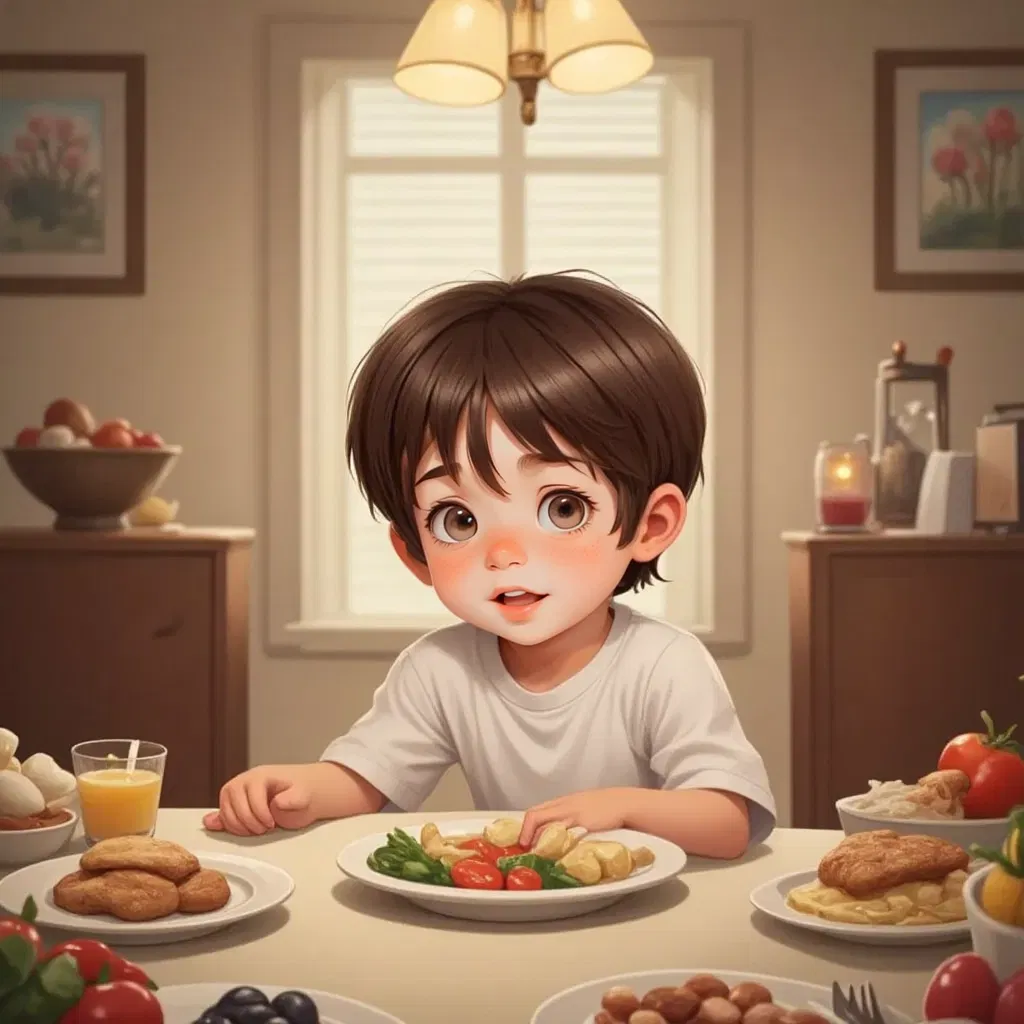
About a little boy named Benny, Benny was a picky eater and would not eat vegetables until he discovered a magical place called the Rainbow garden. In this garden, he meets Tommy the Tomato, Lucy the Lettuce, and Brody the Broccoli, who all teach him about their own magical powers and how they are good for him. Through Benny’s adventure as he learns more and more about each vegetable, Benny learns that trying new foods can be exciting! Page 1/2. Introduction to Benny and how he is a picky eater. Page 3. He playing outside and finding the rainbow garden. Page 4. Benny is running around and playing Page 5.Meeting Tommy the tomato and learning about how healthy tomatoes are for him and how they help him not get sick. Page 6. Benny is trying the tomato and loving it. Page 7. Meeting Lucy the Lettuce and learning about lettuce provides many important vitamins and water to make you feel strong and healthy. Page 8. Trying lettuce and liking it. Page 9. Meeting Brody the Boccoil and learning about how it helps your barin grow so you can be smart. Page 10. He's trying it and not liking it, have Brody say that it's ok to not like something Page 11. Meeting Callie the Carrot and learning that carrots help your body get all the nutrients it needs. Page 12. Him trying a carrot and LOVING IT. Page 14. Him thanking all of the vegs for what he has learnt. Page 15. He's leaving with a new perspective on Vegetables.

Lara emosionada para su primer viaje a la ciudad de toronto. Lara iba acompañada con su prima alanna, su amiga lucia y sus padres. La niñas estaban muy contentas porque su primera aventura seria en la CN Tower, la torre mas alta de America
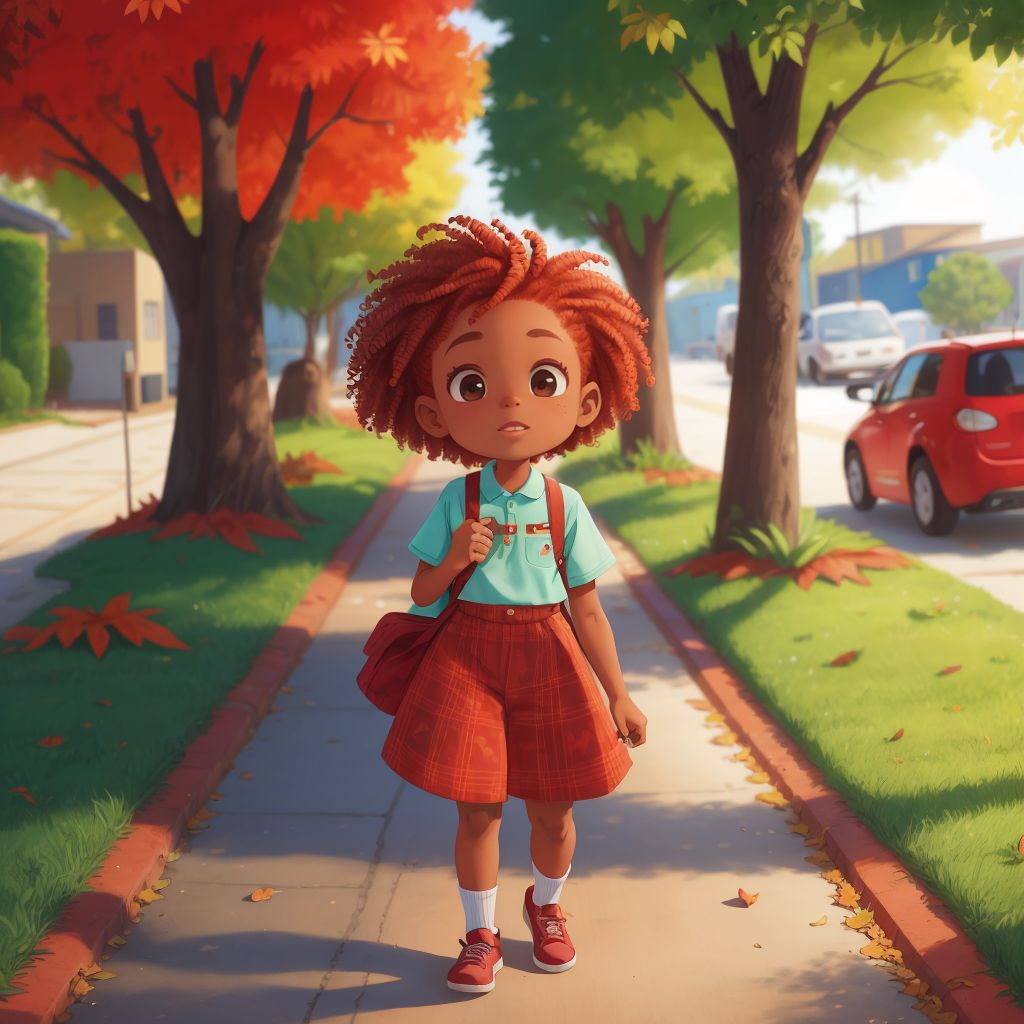
In 'My Brain Has Its Own Language,' young readers are invited to journey with a relatable protagonist who lives with ADHD and Autism Spectrum Disorder (ASD). Through a heartwarming narrative and captivating illustrations, the book explores the unique way our hero's brain works, celebrating their individuality. As the story unfolds, children learn to embrace their differences and discover that their brains have their very own special language. This empowering book fosters self-acceptance and encourages children to take pride in their unique minds, while also promoting empathy and understanding for peers with neurodiverse experiences. With practical resources and tools, it provides invaluable support for children and caregivers. 'My Brain Has its Own Language' is a beautifully written and illustrated story that opens the door to important conversations about neurodiversity, creating a world where diversity is celebrated and understood.

boy visit grandma house, he find a treasure full of surprises
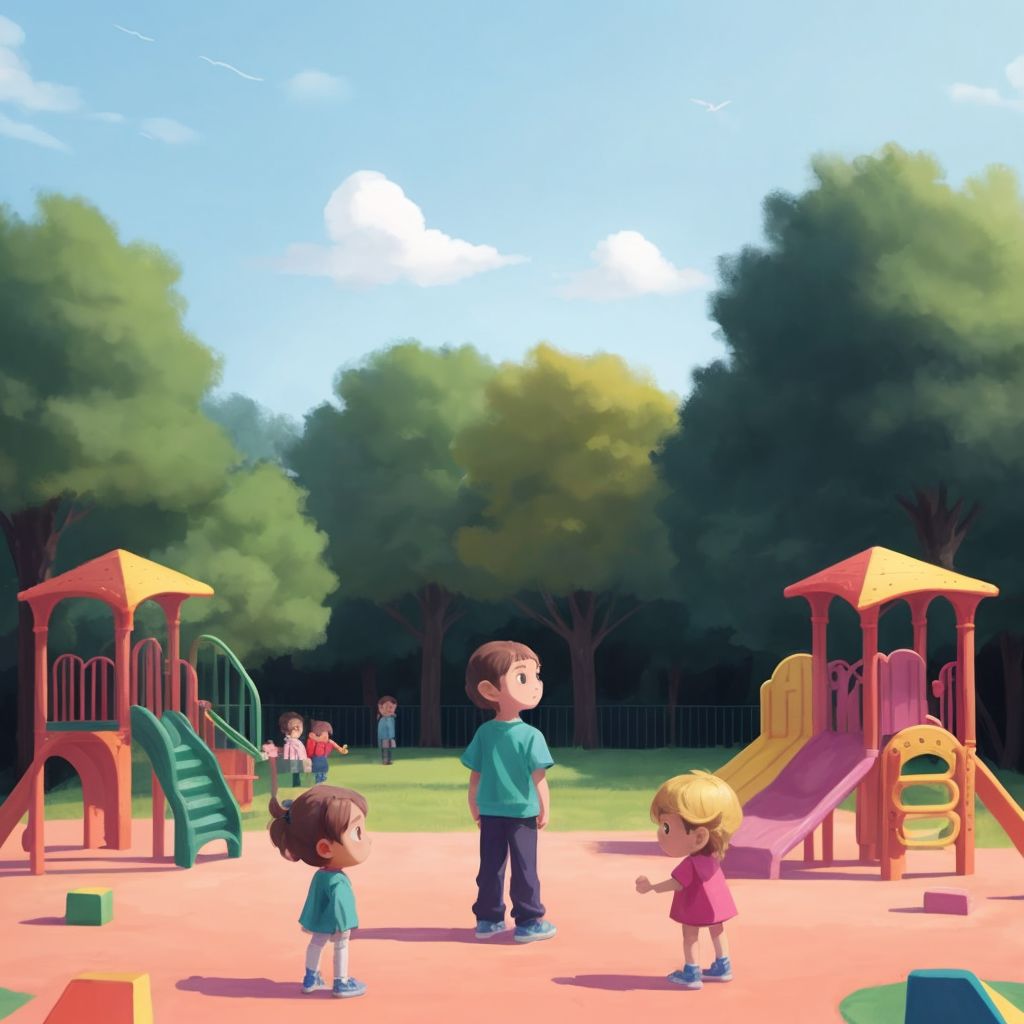
A guy is all alone while everyone is playing on the playground then snoop dog comes in and playes football and then snoop dog got hurt and he leaves so he finds another friend on the playground and plays with him
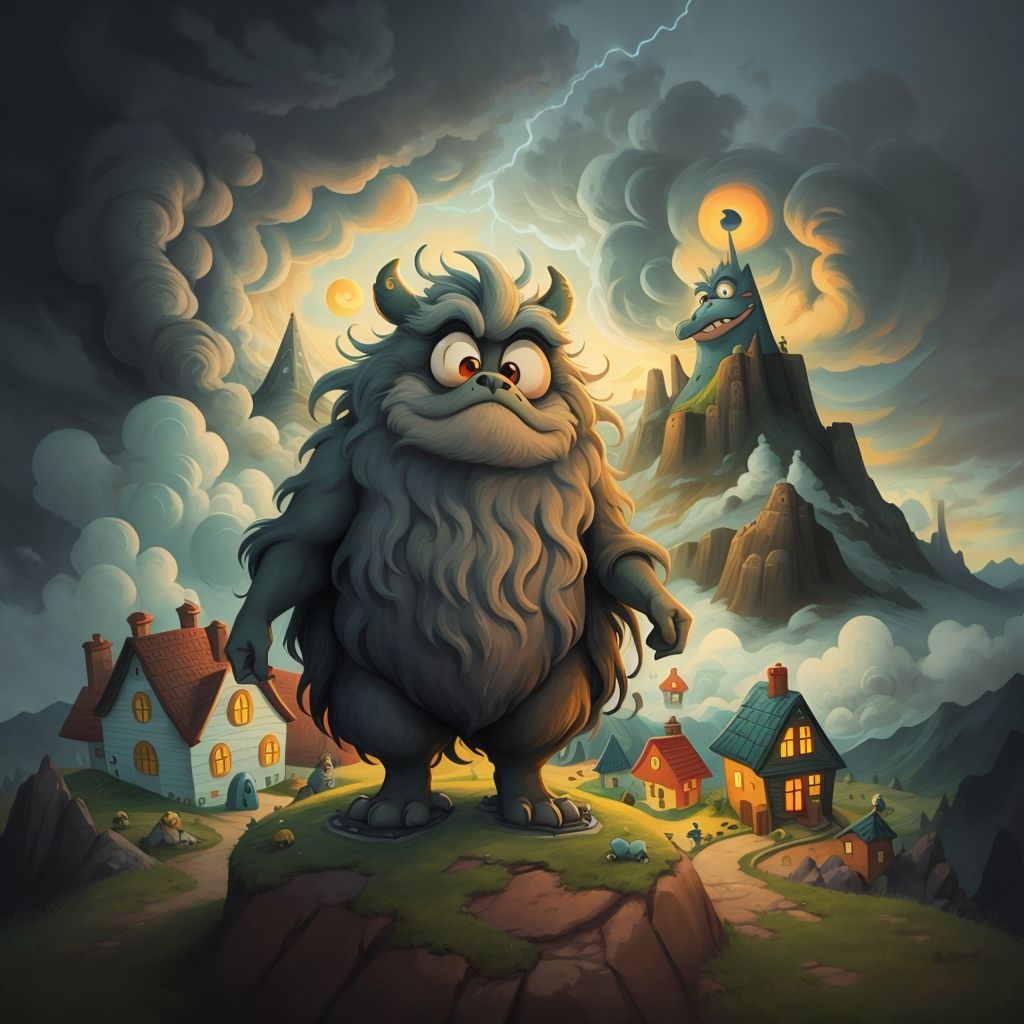
Numa pequena vila rodeada por montanhas, vivia Trovisco, o monstro da trovoada, com pelo cinzento como nuvens e olhos brilhantes como relâmpagos. Os habitantes temiam as tempestades, mas Mafalda, uma menina corajosa e curiosa, adorava ouvir histórias sobre ele. Durante uma tempestade, Mafalda decidiu encontrar Trovisco. Com seu casaco impermeável e lanterna, subiu a montanha. No topo, encontrou Trovisco e descobriu que ele criava tempestades para ajudar a natureza. De volta à vila, Mafalda explicou isso aos habitantes, que, curiosos, visitaram Trovisco. Aos poucos, o medo deu lugar ao respeito e admiração. Trovisco tornou-se amigo da vila e as tempestades foram bem-vindas. Mafalda e Trovisco continuaram amigos, e a vila ficou mais feliz e pacífica.

Aaliyah gets a Scoliosis Brace from the doctor
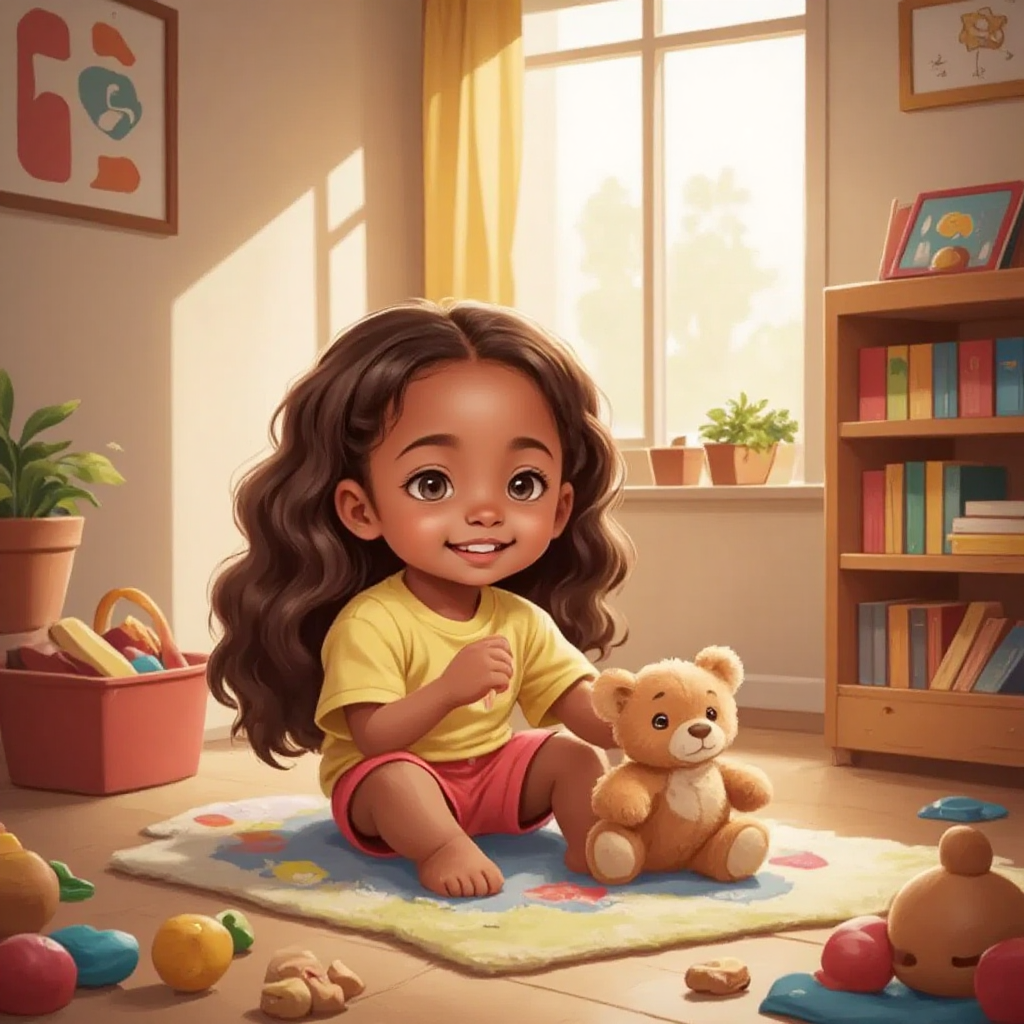
learning how to use the potty
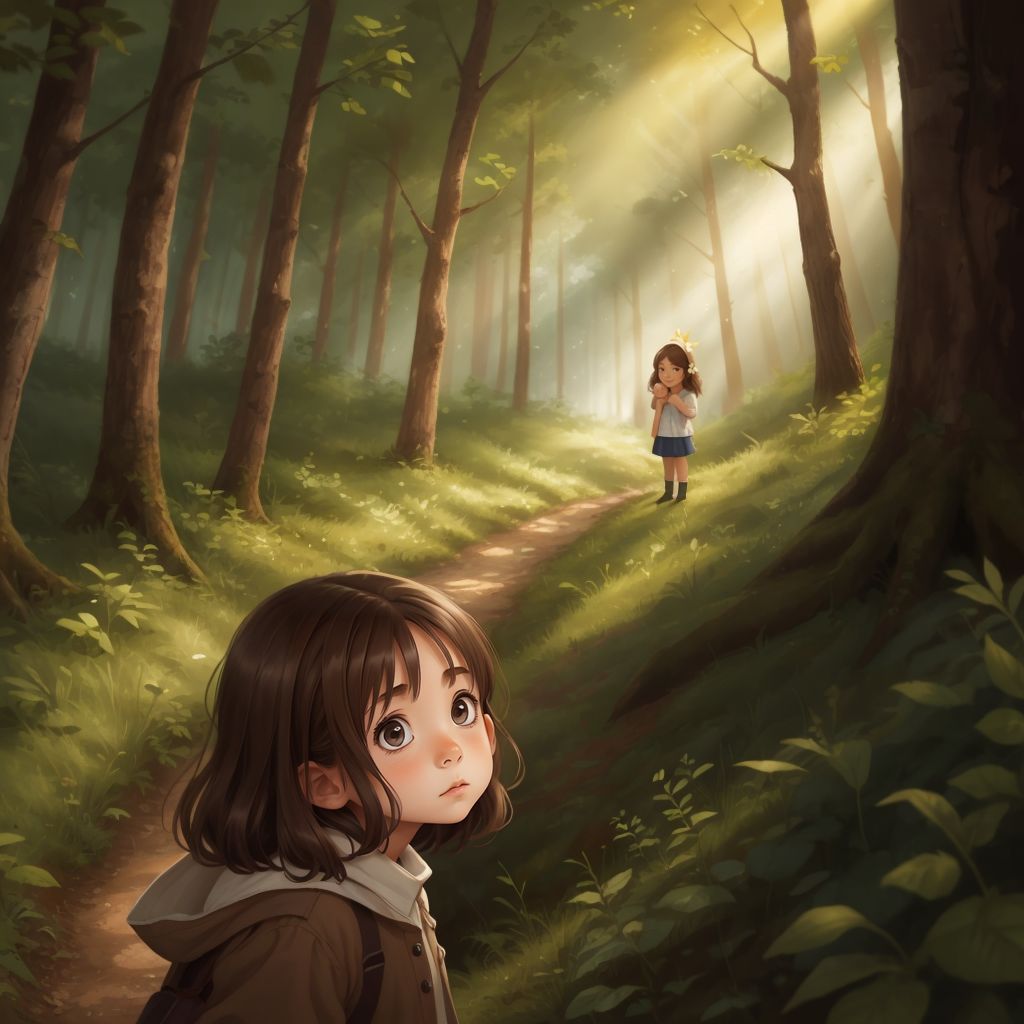
Page 1: The Mysterious Forest Once upon a time, in the small village of Bramblewood, there lived a curious girl named Lily. Lily loved exploring and often wandered into the woods behind her house. One day, while she was playing near the edge of the forest, she noticed something unusual—a shimmering light flickering deep among the trees. Page 2: The Magical Discovery Intrigued, Lily followed the light deeper into the forest. As she walked, the trees seemed to whisper secrets. She finally reached a clearing and gasped. In the center was an enormous tree with a door carved into its trunk. The light was coming from a tiny window above the door. Page 3: Meeting the Guardians Lily gathered her courage and knocked on the door. It creaked open, and she was greeted by a tiny, glowing fairy named Trixie. "Welcome, Lily," Trixie said. "We have been waiting for you. The forest is in trouble, and we need your help."
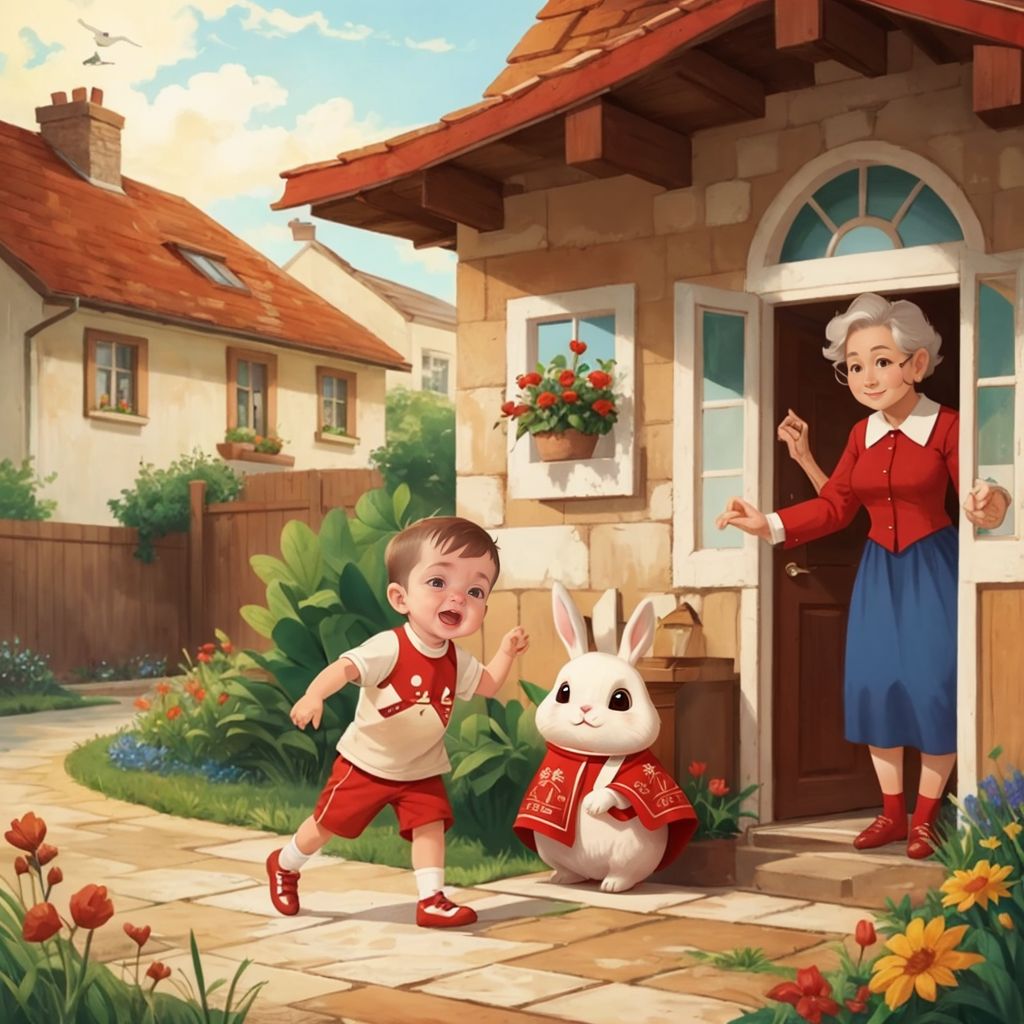
1. John Jr and Hopsi was at Granny's house for a visit. Granny was telling them the importance of having the virtue of faith. John Jr and Hopsi were intrigued and wanted to know how they could have faith. 2. Granny explained faith is confidence or trust in God and his promises, based on evidence but without absolute proof other than his written word, which is the Bible. Granny shared the Bible verse in Hebrews 11:1 "Now faith is the assurance of things hoped for, the conviction of things not seen". Granny went on to explain that our faith Belief is that God exists, loves us, and sent his son to save us and by showing a commitment by believing that Christ can save us, and how we should putour lives in his hands 2. John Jr and Hopsi wanted a better understanding of faith, so Granny told them that Faith is also complementary to hope. Faith is grounded in the reality of the past, while hope looks to the future. Without faith, there is no hope, and without hope, there is no true faith.Granny told John Jr and Hopsi that they must have a strong trust. 3. Granny went on to say how important the Truth is and urged John Jr and Hopsi to be truthful. She explained that Faith is acting on the truth, whether we feel the truth or not, whether we like the truth or not, whether we agree with the truth or not. 4. John Jr and Hopsi decided that they would practice their faith by HEEARING and they would Listen to God's Word by reading Bible and listening in Sunday School at church. They said they would PRAY and connect with God. John Jr told Hopsi that they couldTALK to friends about their faith. Hopsi said they could LIVE out their faith by Worshipping God and Jesus.
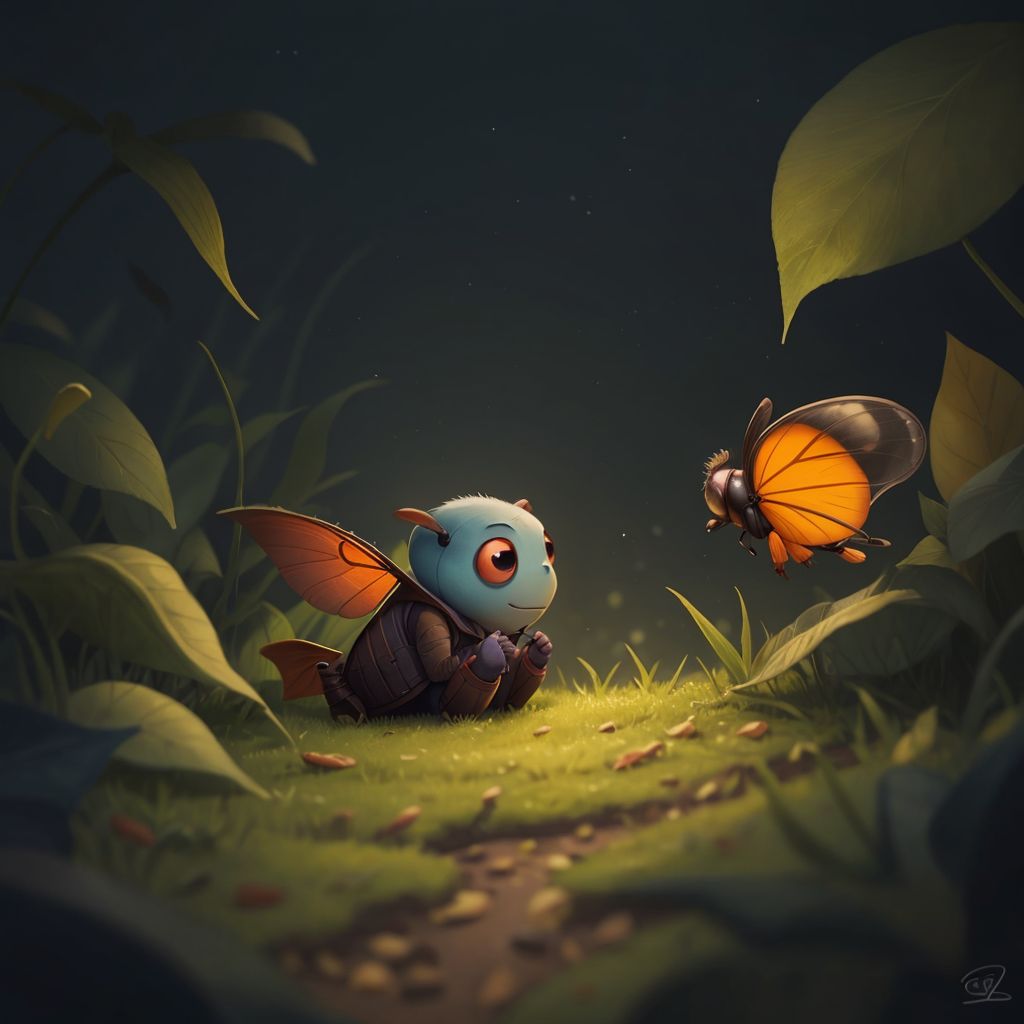
Frankie wonders if he has a greater or different path than being a firefly
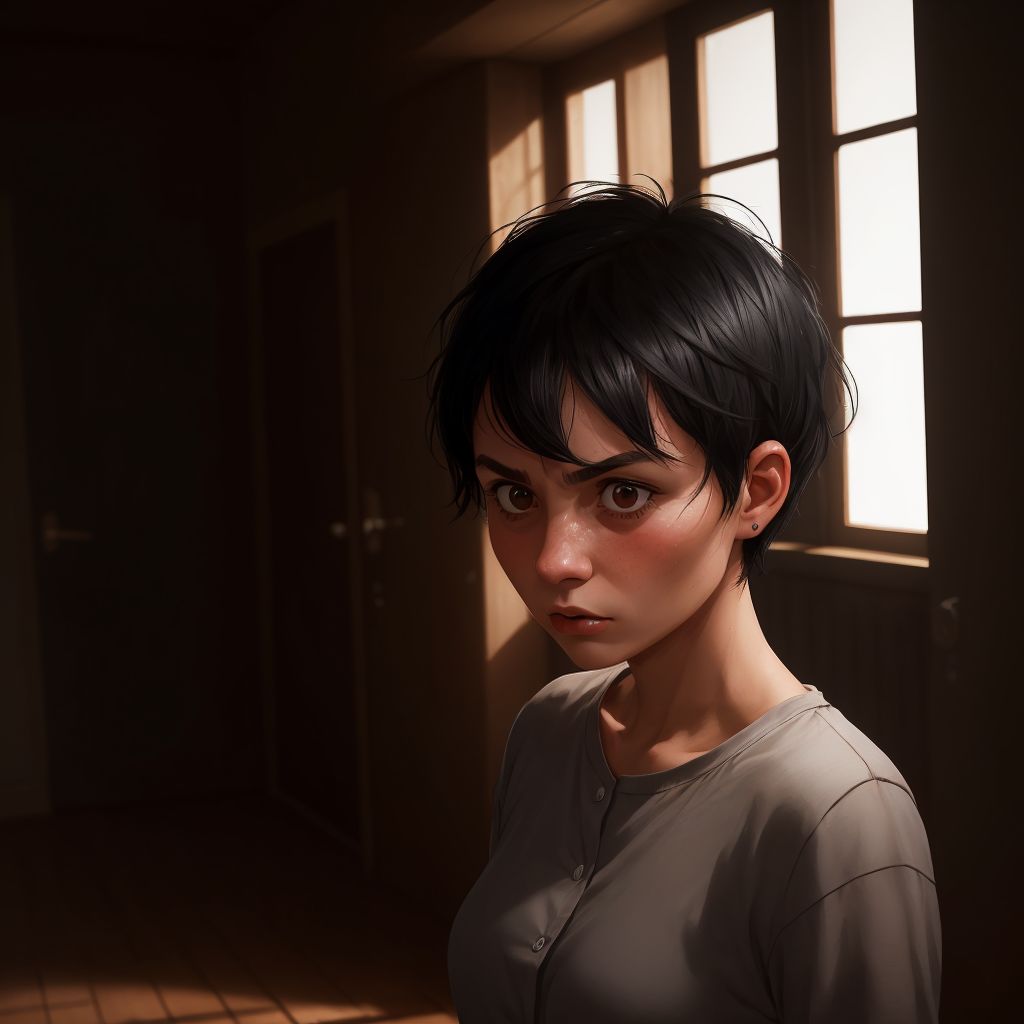
Elara: Kael, we can’t just sit here. Every moment we wait, they tighten their grip on the city. Kael: (not looking up) I know, Elara, but rushing out there without a plan is exactly what they expect us to do. We need to be smart about this. Elara: (stops pacing, frustrated) Smart? Kael, I have memories in my head that could dismantle their entire operation. How long do you think it’ll be before they track us down? Kael: (pauses, then looks at Elara) That’s exactly why we need a solid plan. We use the memories as leverage. We don’t just throw them out into the world and hope for the best. Elara: (sighs) Leverage… You talk like we’re negotiating a trade. This isn’t about deals, it’s about exposing the truth. People deserve to know.