
 Start Read
 Recommend

1. Mr.Toffeenose was a businessman-had made his money from selling creamy toffee. 2. He had become so rich,he lived in a big mansion with Mrs.Toffeenose. 3. Today, Mr.Toffeenose is excited because he is receiving a new fridge called "a Smart Fridge" which is so clever. 3.He got up from his sleep an hour before his wife. 4. Mr.Toffeenose is walking along their corridor when he met his wife,he said,"DARLING,TODAY WE ARE RECEIVING OUR NEW "SMART FRIDGE"."Mrs.Toffeenose said,"YOUR "SMART FRIDGE"!" 5.Around 9.00a.m."Smart Fridge" arrived 8.The Butler set it up in the kitchen.Mrs.Toffeenose came into the kitchen,Butler showed her how the"Smart Fridge" could be programmed by her to lock its door if Mr.Toffeenose tried to get a creamy-bun from fridge 6.He went to the"Smart Fridge" to get his creamy-bun but he couldn't open its door as his wife had locked it 7.He got angrier as the "Smart Fridge startedspinning, saying,"WARNING! DO NOT APPROACH ME, OTHERWISE, I WILL START FIRING MY LASER-GUNS!"
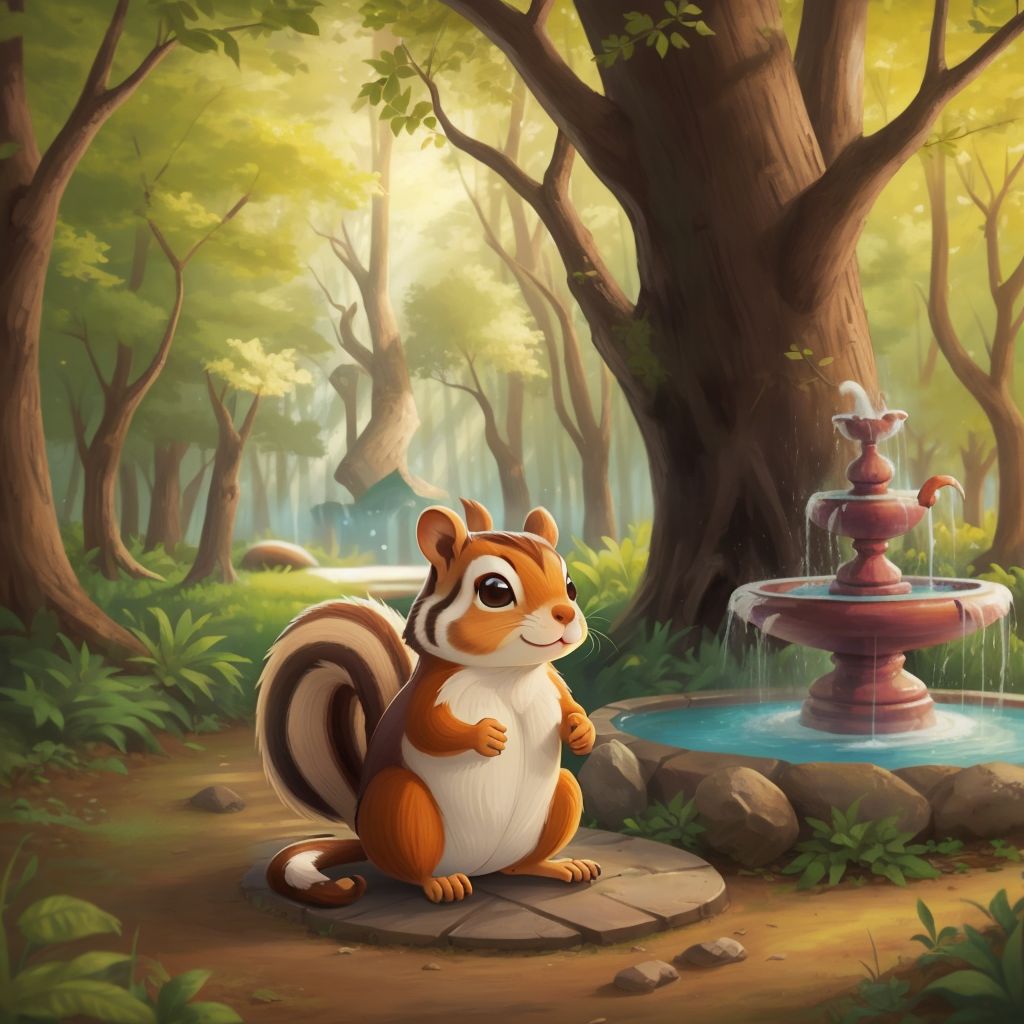
In the heart of the whimsical Giggleberry Forest, a curious bunny named Benny and his best friend, a witty squirrel named Sammy, embark on a hilarious adventure. When Benny accidentally turns the forest's laughter fountain into a hiccuping mess, the entire forest starts to hiccup uncontrollably! To set things right, Benny and Sammy must find the magical Hiccup Herb, hidden deep within the enchanted Giggleberry Grove. Along the way, they encounter a mischievous crow named Cawley, a wise old turtle named Titus, and a group of dancing fireflies who light up the night with laughter. Through their journey, Benny and Sammy learn the importance of honesty, teamwork, and the power of laughter. With funny twists and turns at every corner, will Benny and Sammy manage to restore the laughter fountain and bring giggles back to the forest? This delightful story is filled with giggles, morals, and heartwarming moments, perfect for young readers who love a good laugh and a valuable lesson.
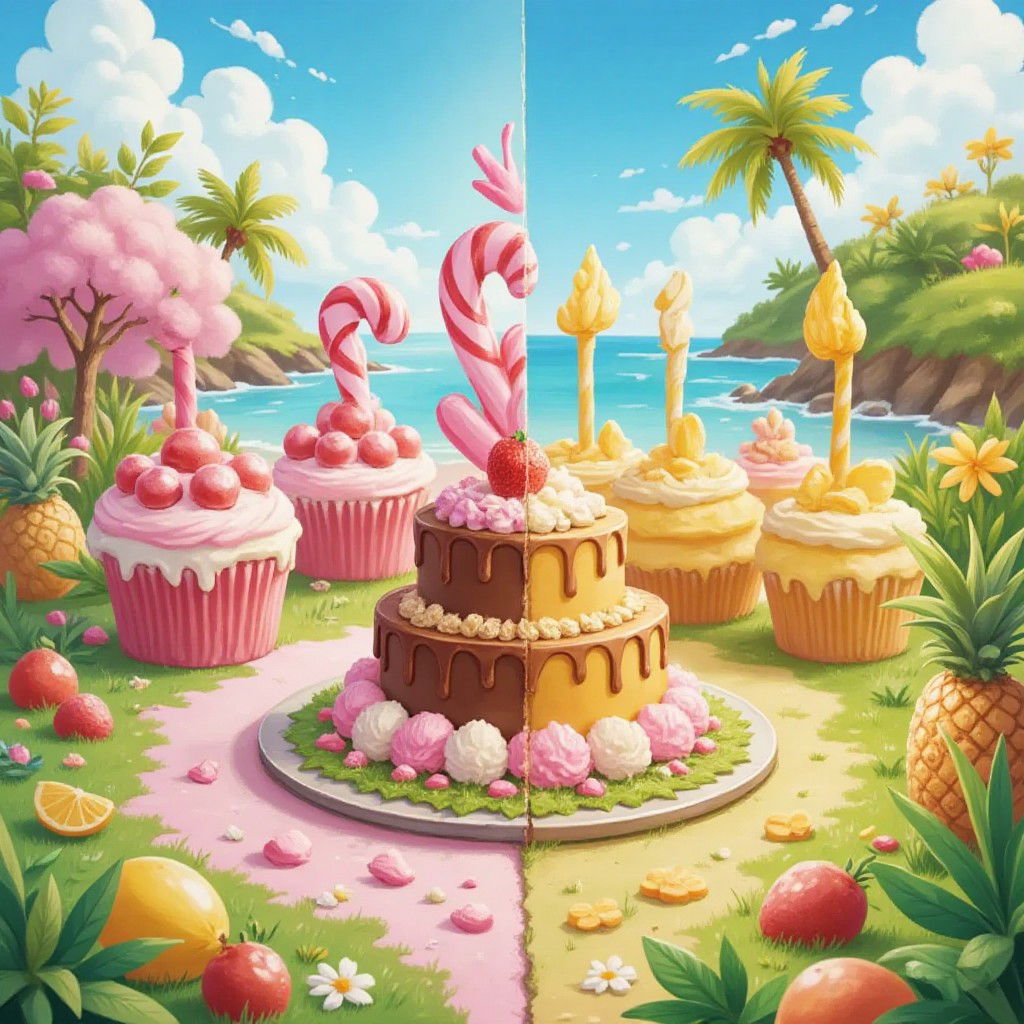
Characters: Candyland (a country of candy-makers) Fruityland (a land of fruit farmers) A wise owl named Professor Trade, who explains how trade works. Story: Page 1: Introduce Candyland and Fruityland. "Candyland loves making chocolates, lollipops, and jelly beans, but they don’t grow pineapples very well. Fruityland has the best pineapples but no time to make candy!" Page 2: Professor Trade explains the problem. "Candyland and Fruityland both want more yummy treats. 'How can we get what we want without wasting time?' they ask." Page 3: The idea of specialization. "Professor Trade says, 'Candyland should focus on what it does best—making candy! Fruityland should stick to growing fruit!'" Page 4: Explain comparative advantage. "Candyland is really good at making chocolate, and Fruityland is super fast at growing pineapples. If they trade, both can enjoy what the other does best!" Page 5: The result of trade. "Candyland trades a big box of chocolates for a basket of Fruityland’s pineapples. Now they each have chocolates and pineapples to share with everyone!" Page 6: The benefits of trade. "Thanks to trade, Candyland and Fruityland became great friends. Their people were happy, their businesses grew, and everyone had plenty to eat and enjoy." Conclusion: "The lesson from Candyland and Fruityland is simple: When we trade, we all get more of what we love. That’s why we trade!"
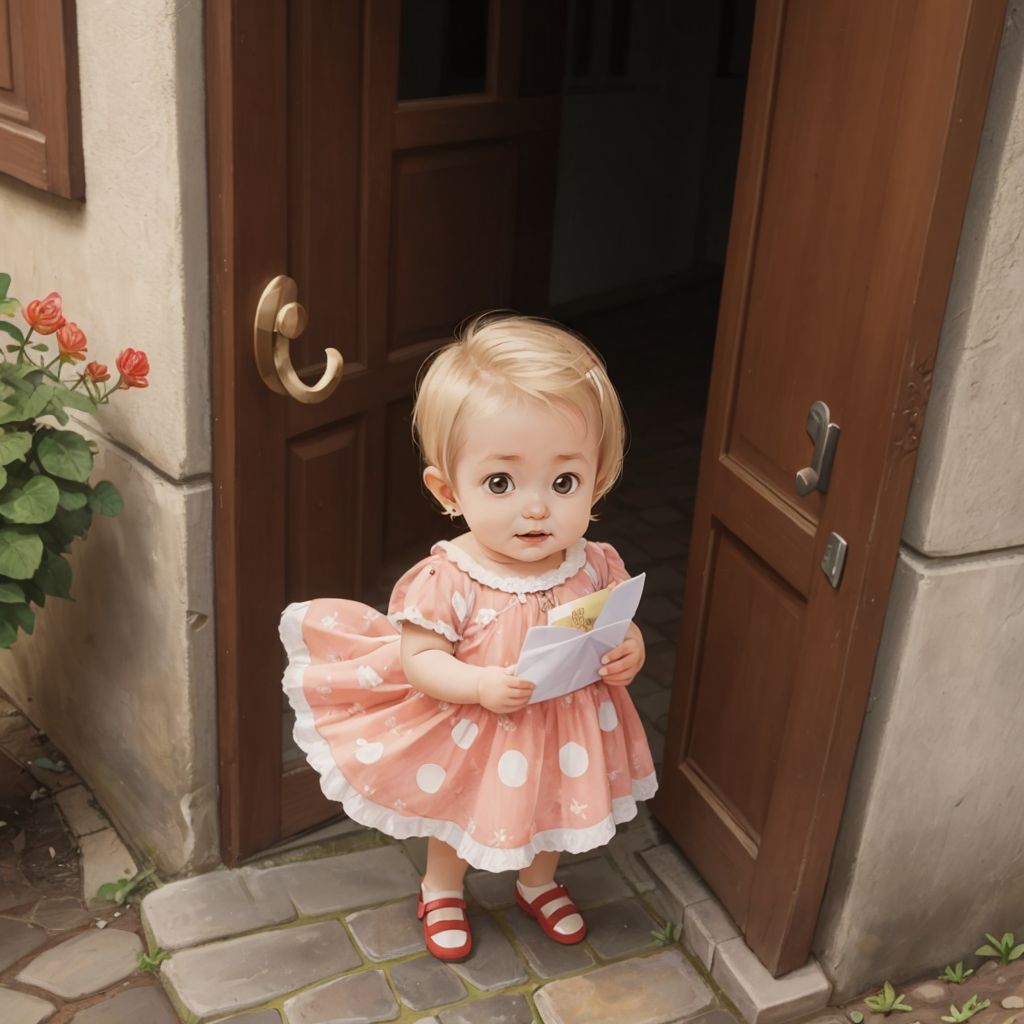
Kaja goes to visit Haunted House meets its eccentric inhabitants. A friendly ghost, a talking straw hat man, a witch and more.

A boy and his cat go on an imagination adventure through their backyard learning the value of friendship.

Dana hated reading until she got a bible fromher grandmother. She was fascinated and fell in love as she read the pages of it.
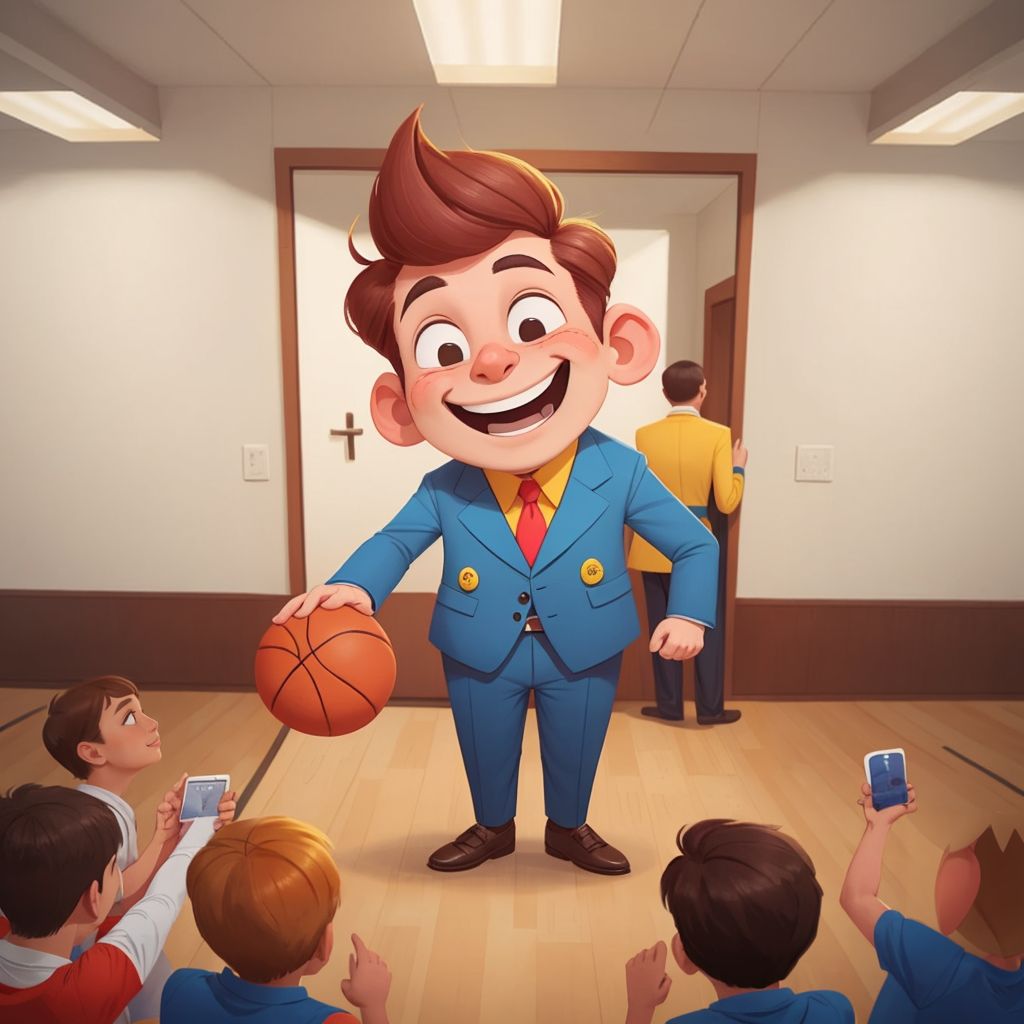
“Giggles & Grit: A Timmy Giggles Story” is a heartwarming children’s picture book that follows Coach Timmy Giggles, a quirky and colorful basketball coach, as he takes charge of the struggling Little Leap Bears. Known for his tie-dye suit, mismatched shoes, and infectious grin, Coach Giggles brings an unconventional but effective approach to coaching, emphasizing fun, teamwork, and personal growth. The story begins with Coach Giggles arriving at Little Leap High, where the Bears are down after a series of losses. Despite arriving late in the season, Coach Giggles quickly wins over the team with his playful attitude and belief that success is more than winning—it’s about growing as individuals and as a team. The Bears participate in the Fall League Showcase, despite limited preparation, where they showcase their growth, though not without some early struggles. Coach Giggles encourages them to embrace failure as part of the journey and focus on progress. As the season unfolds, each player—Shoelace, Speedy, Tiny, and Grin—faces personal challenges, from self-doubt to internal team conflicts. Through it all, Coach Giggles remains a supportive guide, teaching them resilience, positivity, and teamwork. His mantra of blending fun with grit reinforces that true victory comes from effort, heart, and embracing challenges. The Bears’ transformation is not without difficulties, including a lack of support from the school’s administration, but Coach Giggles’ relentless optimism keeps them going. While they don’t win every game, they learn that real success lies in their personal growth, the bonds they’ve built, and the lessons learned. With vibrant illustrations and lively rhyming verses, “Giggles & Grit” teaches children about resilience, the value of teamwork, and the power of believing in oneself, all through the lens of a funny, larger-than-life coach who makes the journey just as important as the destination.
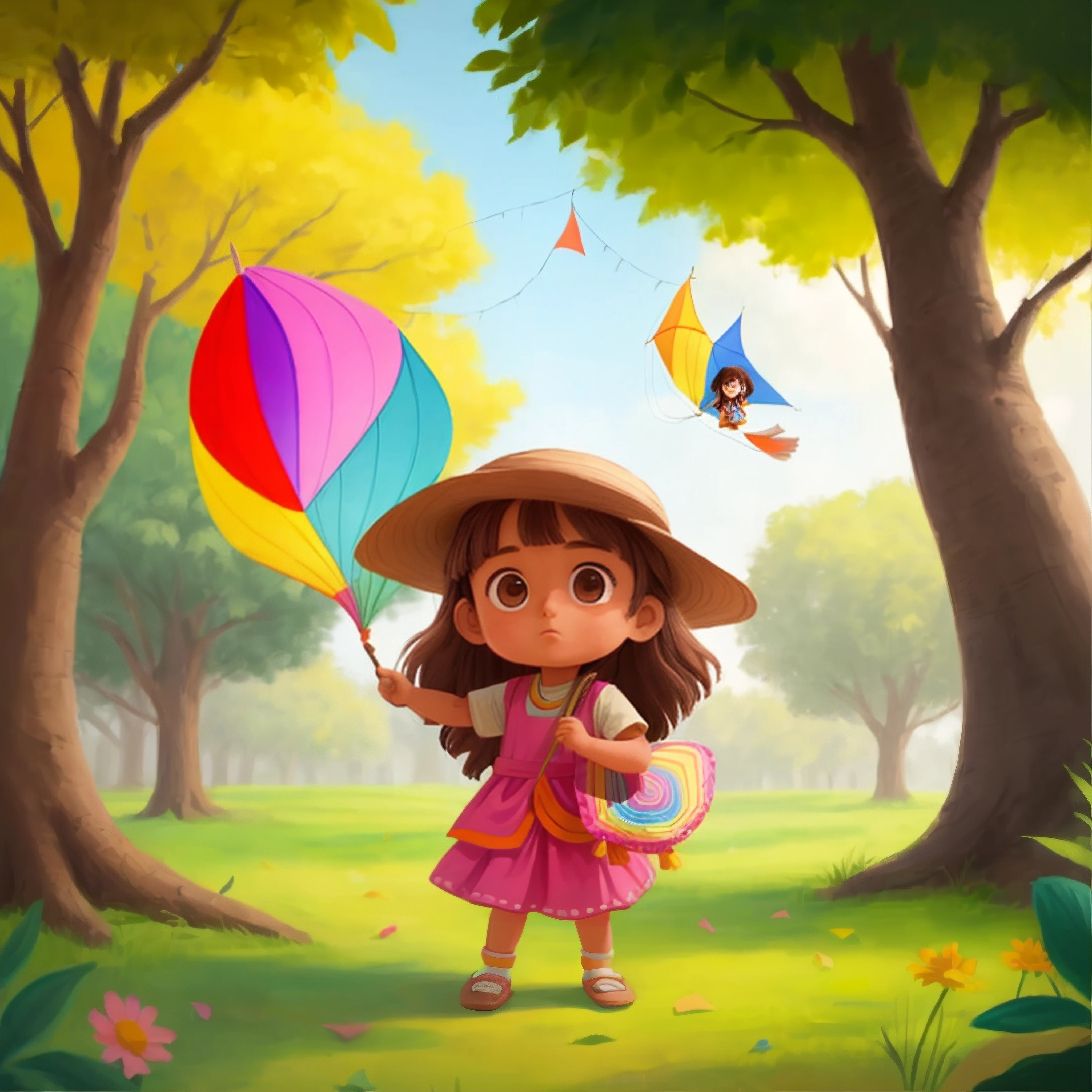
When Lucy's kite takes her on a journey to Cloudland, she discovers a whimsical world where fluffy clouds hold surprising secrets.
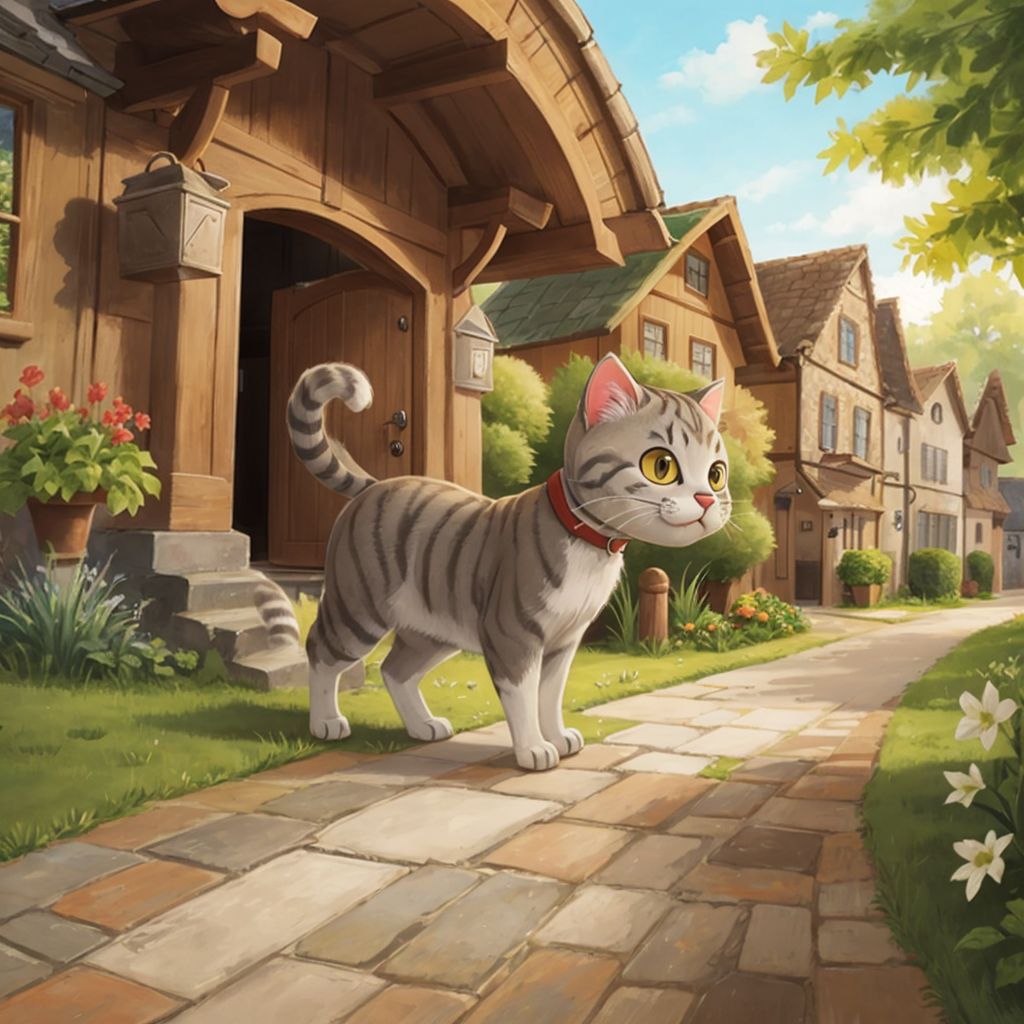
Analyze the prompt: The narrative focuses on Bubu, a curious kitten learning about road safety with the help of friends and a wise bird, Cik Gak. Key themes include curiosity, friendship, safety awareness, and making informed decisions. 2. Target audience: The narrative is aimed at young children, likely in the age range of 4-8 years, making it essential to use simple language, relatable characters, and engaging illustrations to capture their attention. 3. Narrative structure: The narrative could follow a journey format where Bubu and his friends embark on an adventure beyond the village, encountering various scenarios that require them to apply road safety lessons in different contexts, reinforcing their learning. 4. Entertaining and informative elements: Include diverse characters, such as a wise tortoise who teaches about patience, a playful puppy who learns the consequences of ignoring safety rules, and a friendly squirrel who organizes a fun road safety game. The settings could vary from busy streets to quiet parks, each presenting unique challenges for Bubu and his friends. 5. Educational objectives: The narrative should emphasize the importance of road safety, including lessons on stopping and looking, using crosswalks, and staying alert. Each scenario could conclude with a recap of the safety tips learned, encouraging children to remember and apply these lessons in real life. Prompt Idea: Create a narrative where Bubu the kitten and his friends go on an adventure outside their village, encountering various road safety challenges along the way. Each challenge introduces a new lesson about road safety, reinforced by interactions with other animal characters. The story should conclude with a fun road safety game that helps solidify their understanding while keeping the tone light-hearted and engaging.
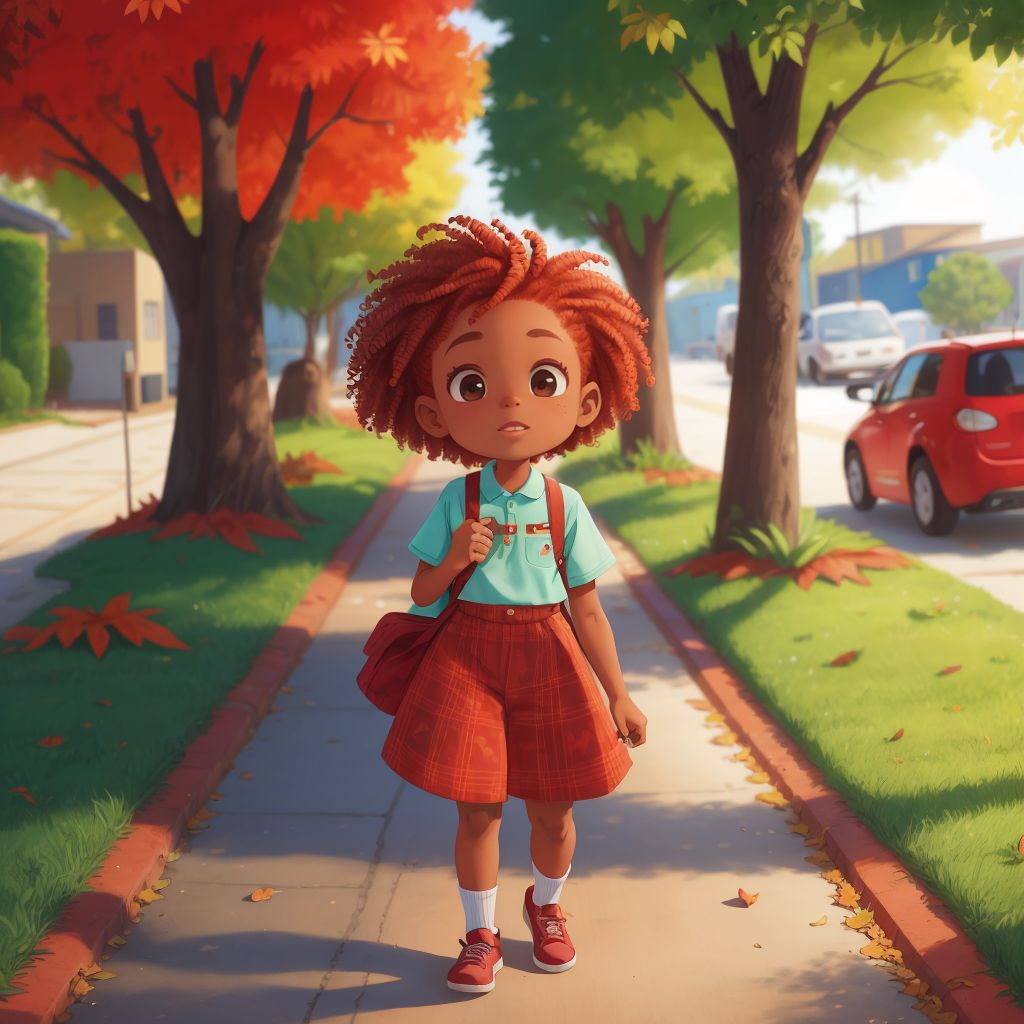
In 'My Brain Has Its Own Language,' young readers are invited to journey with a relatable protagonist who lives with ADHD and Autism Spectrum Disorder (ASD). Through a heartwarming narrative and captivating illustrations, the book explores the unique way our hero's brain works, celebrating their individuality. As the story unfolds, children learn to embrace their differences and discover that their brains have their very own special language. This empowering book fosters self-acceptance and encourages children to take pride in their unique minds, while also promoting empathy and understanding for peers with neurodiverse experiences. With practical resources and tools, it provides invaluable support for children and caregivers. 'My Brain Has its Own Language' is a beautifully written and illustrated story that opens the door to important conversations about neurodiversity, creating a world where diversity is celebrated and understood.

Habitació plena de llibres
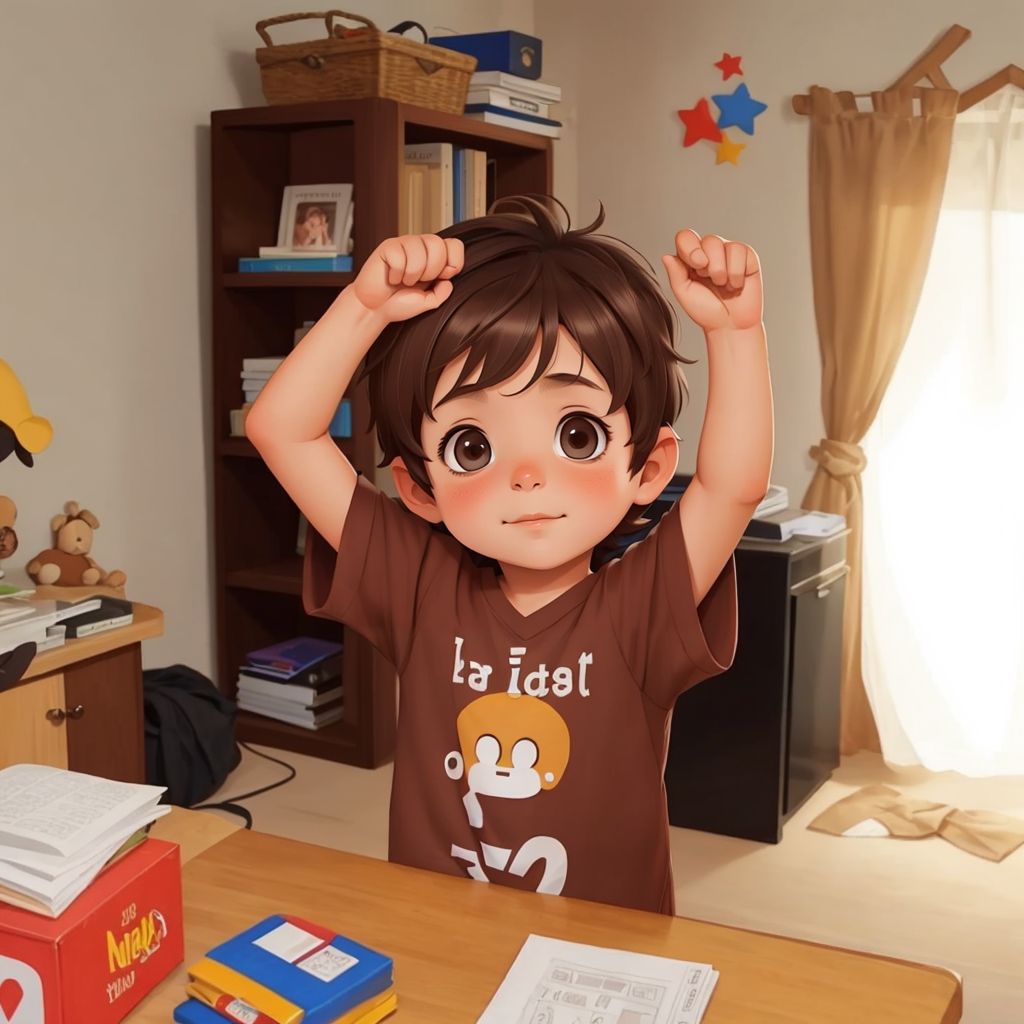
1. The boy is standing 2. The boy is pointing to his head. 3. The boy is pointing to his big, bright eyes. 4. The boy is pointing to his big hearing ears. 5. The boy is pointing to his nose. 6. The boy is pointing to his smiling mouth. 7. The boy is is having his arms in the air. 8. The boy is clapping. 9. The boy is jumping. 10. The boy is dancing. 11. The boy is happy and dancing. 12. The end

Meet Dizzy the Daring Dinosaur, who dreams of becoming the bravest dentist in Dino-town! Join him on a hilarious journey as he learns to clean and brush the teeth of his fellow dinosaurs. Packed with colorful illustrations and playful dental hygiene tips, this book makes learning about oral care fun for little ones.
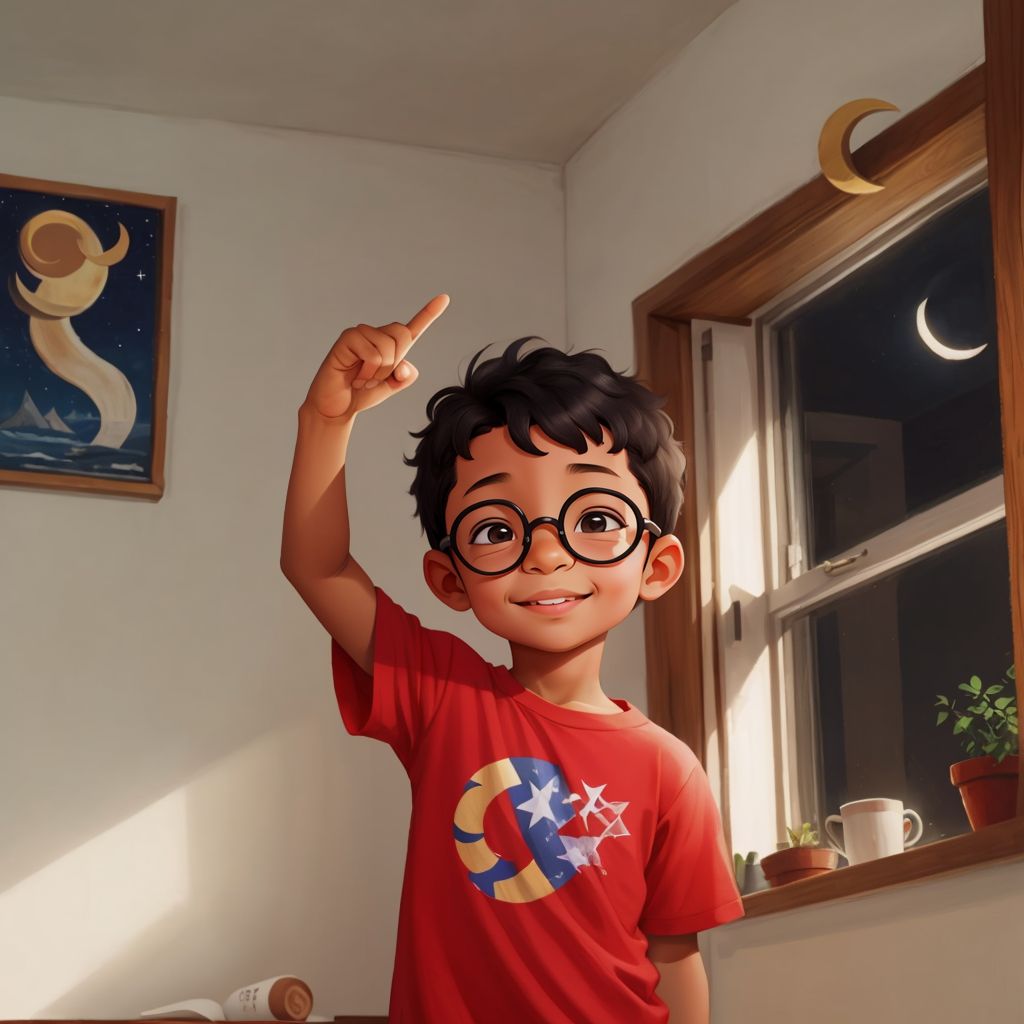
Raytor lives with his mom and dad and sister Opal. He became exuberant on seeing the moon since learning about it in a science class at school. He would often scream, “There’s a cresent moon!” He didn’t care if his scream startled dad who was driving or mom who was about to sip a hot drink or his sister Opal who just closed her eyes for a quick nap.
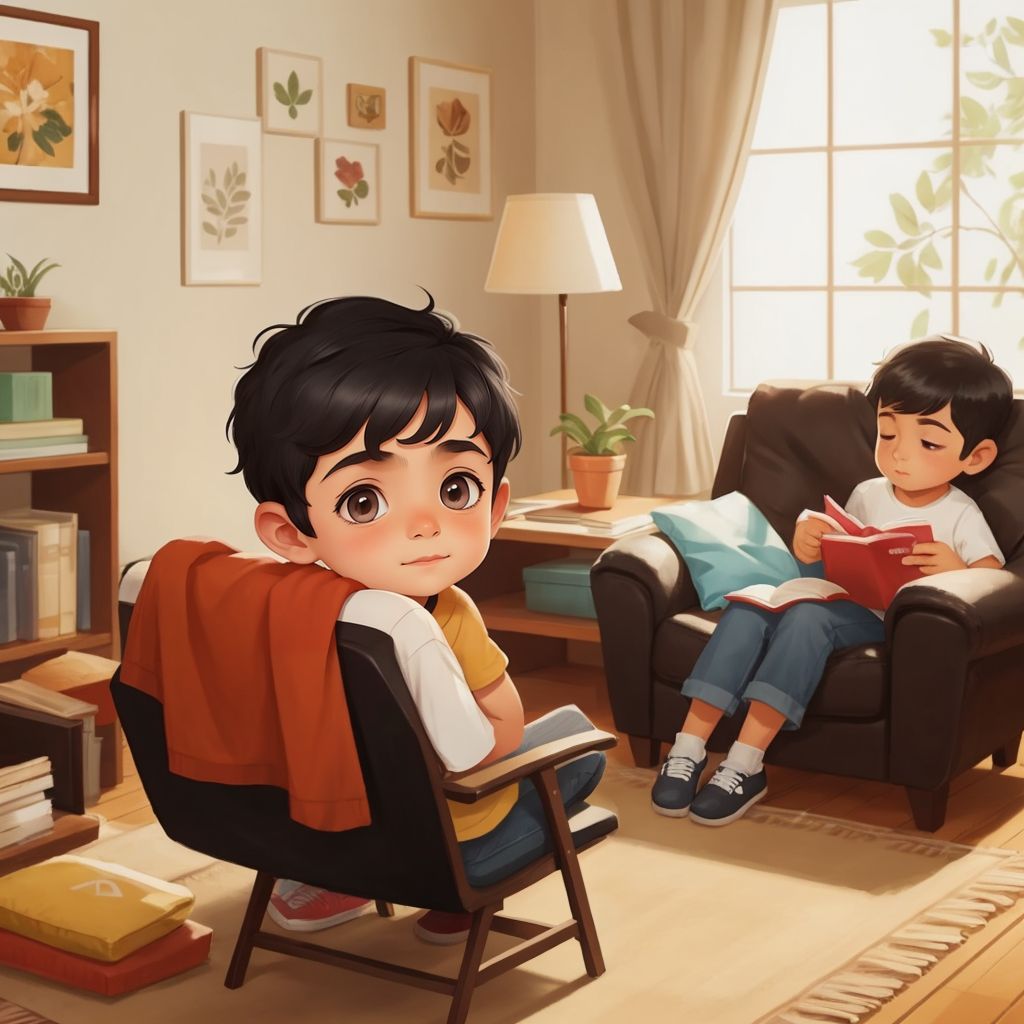
Step-by-Step Guide 1. Concept and Story Outline Title: "Juanito y su Aventura con la Anemia" Main Character: Juanito, a young boy diagnosed with anemia. Supporting Characters: His family, friends, and Dr. López, his pediatrician. Setting: Juanito's home, school, and doctor's office. Plot: Juanito experiences symptoms, visits the doctor, learns about anemia, and follows a treatment plan that includes a healthy diet. 2. Story Breakdown Introduction: Introduce Juanito and his symptoms (fatigue, pale skin, etc.). Diagnosis: Juanito visits Dr. López and learns he has anemia. Education: Dr. López explains what anemia is and how it affects the body. Treatment Plan: Juanito starts a diet rich in iron and takes his medication. Conclusion: Juanito feels better and learns the importance of a healthy diet. 3. Content Creation Text: Write simple, clear sentences suitable for the target age group. En español
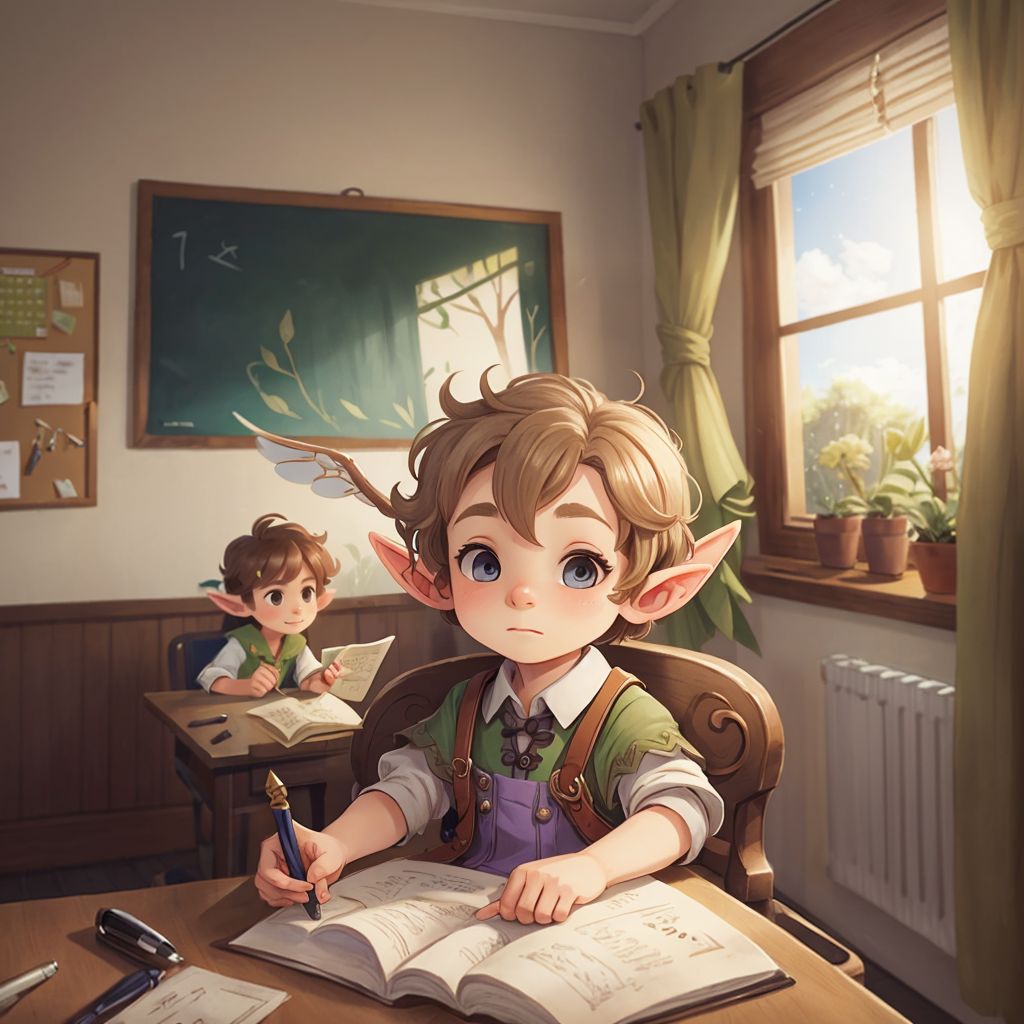
Lior, her gün elf okuluna gidiyordu ama bazen sıkılıyordu. "Keşke dersler yerine oyun oynayabilsem!" diye düşündü. Ormanda dolaşmak daha eğlenceliydi. O gün hava çok güzeldi. Güneş ışıkları ağaçların arasından süzülüyordu. "Biraz dolaşıp dönerim!" dedi. Annesi kahvaltıya çağırdı ama aç değildi. Çantasını alıp dışarı çıktı. Ormanda yürürken kuşların şarkısını dinledi, çiçekleri kokladı. "Burası okuldan güzel!" diye düşündü. Birden, uzakta bir şey gördü ama ne olduğunu anlayamadı. Merakla yürüdü ve büyük bir mağara fark etti. Kalbi küt küt atıyordu. "Kaybolur muyum?" diye düşündü ama sonra, "Mağarada yiyecek bulurum!" diyerek içeri girdi. Mağaranın içinde güzel bir prenses vardı! "Hadi gel, sana da yemek yapayım!" dedi. Lior önce tereddüt etti ama sonra "Tavuk severim!" dedi ve sohbet etmeye başladılar. Prenses, "Ben Gizli Sığınak Peri Evi’nden geliyorum." dedi. Lior şaşırdı. "Ama çok uzaktasın!" dedi prenses. "Burada birkaç gün kalabilirsin, şatomuz var!" dedi. Lior sevindi. "Harika olur!" diyerek kabul etti. Prenses onu altın şatoya götürdü. Lior içeri girip koltukta uyuya kaldı. Akşam yemeğinde prenses onu uyandırdı. Beş gün boyunca şatoda kaldı, yeni şeyler keşfetti. Ama beş gün hızla geçti. Eve dönmesi gerekiyordu. Anne ve babası çok endişeliydi. "Neredeydin?" diye sordular. Lior, "Altın şatodaydım!" dedi. Anne ve babası hemen orman polisini aradı. "Orası tehlikeli bir yer!" dediler. Lior şaşırdı. Orman polisi, "Altın şato eski ve tehlikeli bir yer!" dedi. Lior orada kalmanın riskli olduğunu anladı. "Ama prenses çok iyiydi!" dedi. Annesi, "Bazen iyi gibi görünen şeyler tehlikeli olabilir!" dedi. Lior bundan sonra yabancılara daha dikkatli olacağına söz verdi. Okulun sıkıcı olmadığını düşündü. Arkadaşları vardı ve güvende hissediyordu. "Tek başıma kaybolmamalıyım!" diye düşündü. Artık ailesine haber vermeden uzaklaşmayacaktı. Macera güzeldi ama güvenli olmak daha önemliydi.
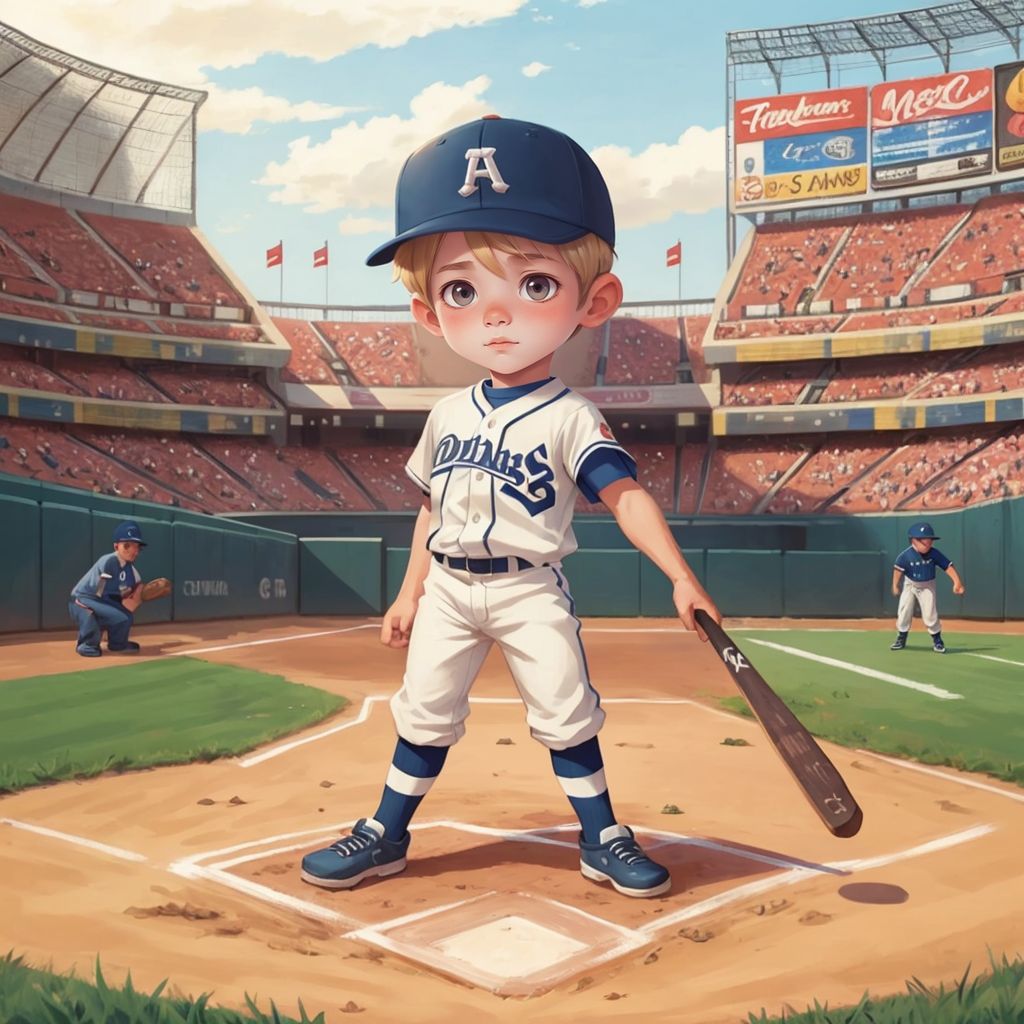
A young boy keeps striking out during his baseball games, but he keeps trying and practicing until he finally hits a home run!
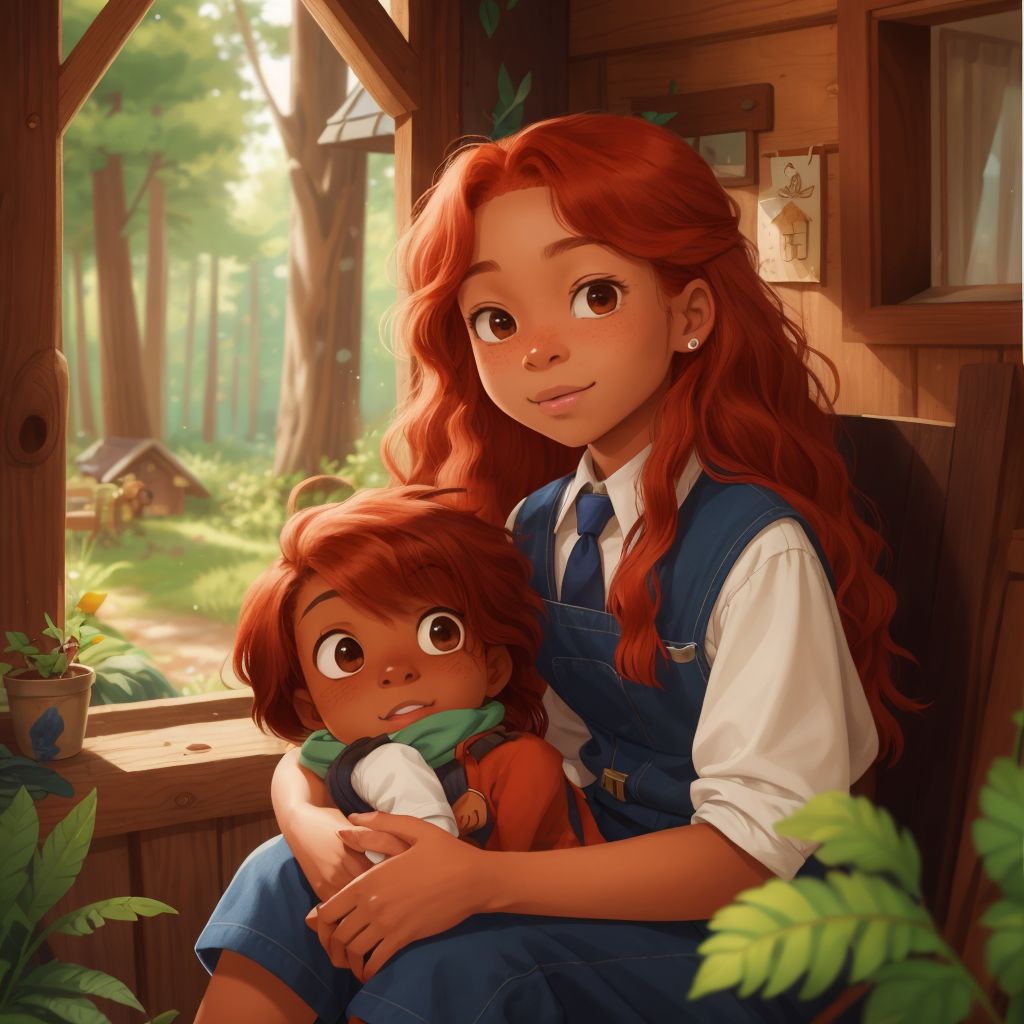
the witch of good was a girl named may she loved to be good unit her twin sister tryed to take the thron
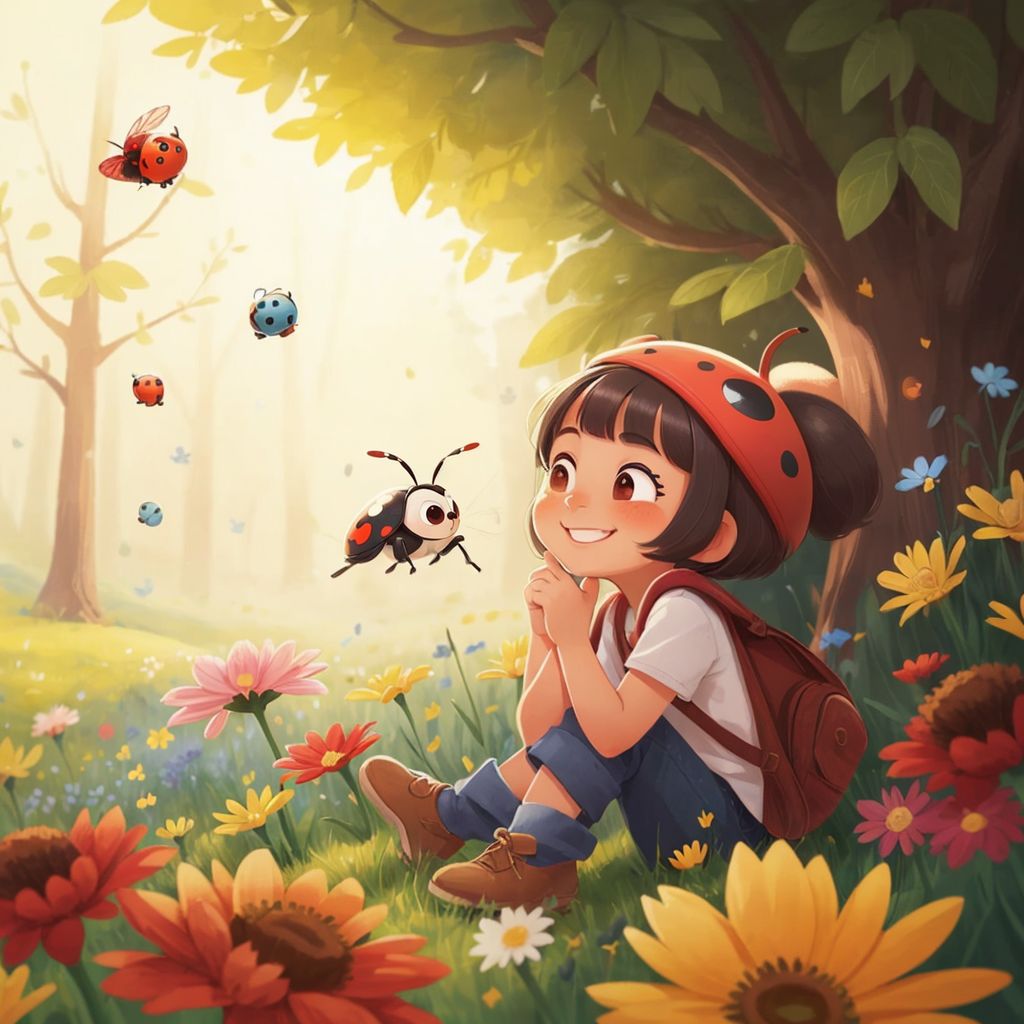
Lilly the ladybug is a real adventurous ladybug. The story begins by her telling her mom Rose an other ladybug. That she would like to meet new friends. Her mother says ok you can go to the woods and discover new friends but remember to come home before sunset. Lilly tells her mom ok. See you later mom I’ll be back soon. While walking in the woods she first encounters an ant they both say hello and Lilly says what type of inset are you ? You don’t look like a ladybug. Than the ant laugh and says I’m an ant silly. Lilly laughs and says that’s so cool. What do you do? Than the ant tells her everything an ant does for her everything an ant does. Lilly than asks her do you know what location I should head to meet other ladybugs as myself ? The ant sure just go left. So Lilly walk and walks some more sunset came than night time. Lily than notices she is lost so she finds a rock and lays her head to sleep. When she wakes up she cries calling mommy. Lilly was nervous and sad at the same time. She went to talk to the caterpillar, spider, snake, elephant and tiger. They all said left, right, back, front. “ But ladybug decided to go back, she saw her house and she saw her mom rose. Then Lilly was so happy to see her mom she starts telling her mom that although she did not see other ladybugs she discover new friends other cool insects and animals.
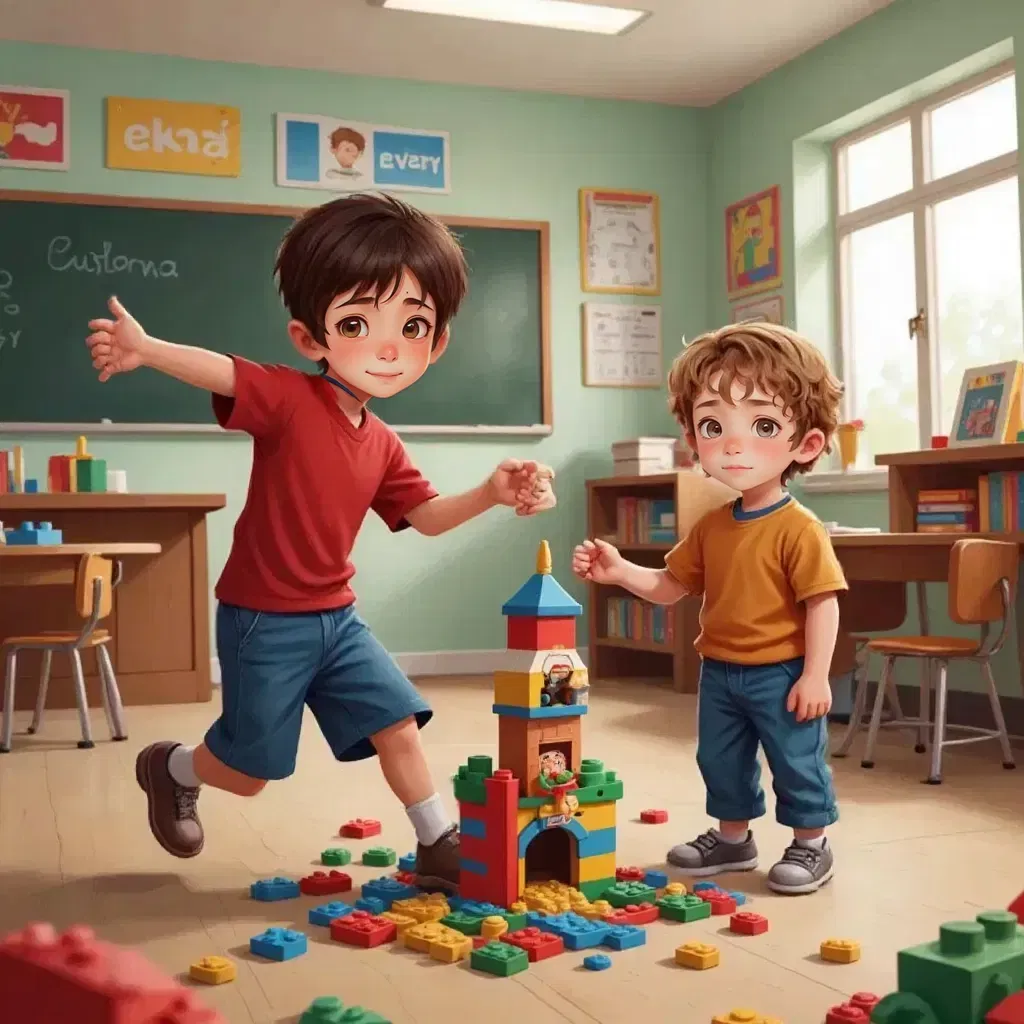
Max was a whirlwind of energy, always rushing around, never stopping to appreciate the little things. His mom would make him a delicious breakfast, and he'd just grab it and run off to school, barely saying thank you. His friends would spend hours building an amazing Lego castle, and he'd just barge in and knock it down, not even apologizing. One day, a strange old woman with twinkling eyes appeared in his room. She presented him with a pair of peculiar glasses, "These," she said, "are 'Gratitude Glasses'. They allow you to see the world through the eyes of those who truly appreciate it." Curious, Max put them on. Suddenly, the world transformed! His mom's face, usually a bit tired, now radiated joy as she prepared his breakfast. He saw the effort she put into each pancake, the love she poured into every sprinkle. His friends' eyes sparkled with pride as they meticulously placed each Lego brick, their laughter echoing with genuine happiness. Max felt a strange new emotion – a warmth in his chest. He realized how much happiness he had been missing by not appreciating the kindness and effort of others. He apologized to his friends, helped them rebuild their castle, and even thanked his mom for the delicious breakfast. From that day on, Max wore his "Gratitude Glasses" every day, not literally, but in his mind. He started to notice the small things – the beautiful sunset, the chirping of birds, the kindness of strangers. He learned to appreciate the efforts of others and to express his gratitude. He realized that true happiness wasn't about getting everything he wanted, but about cherishing the kindness and joy that surrounded him.