
 Start Read
 Recommend
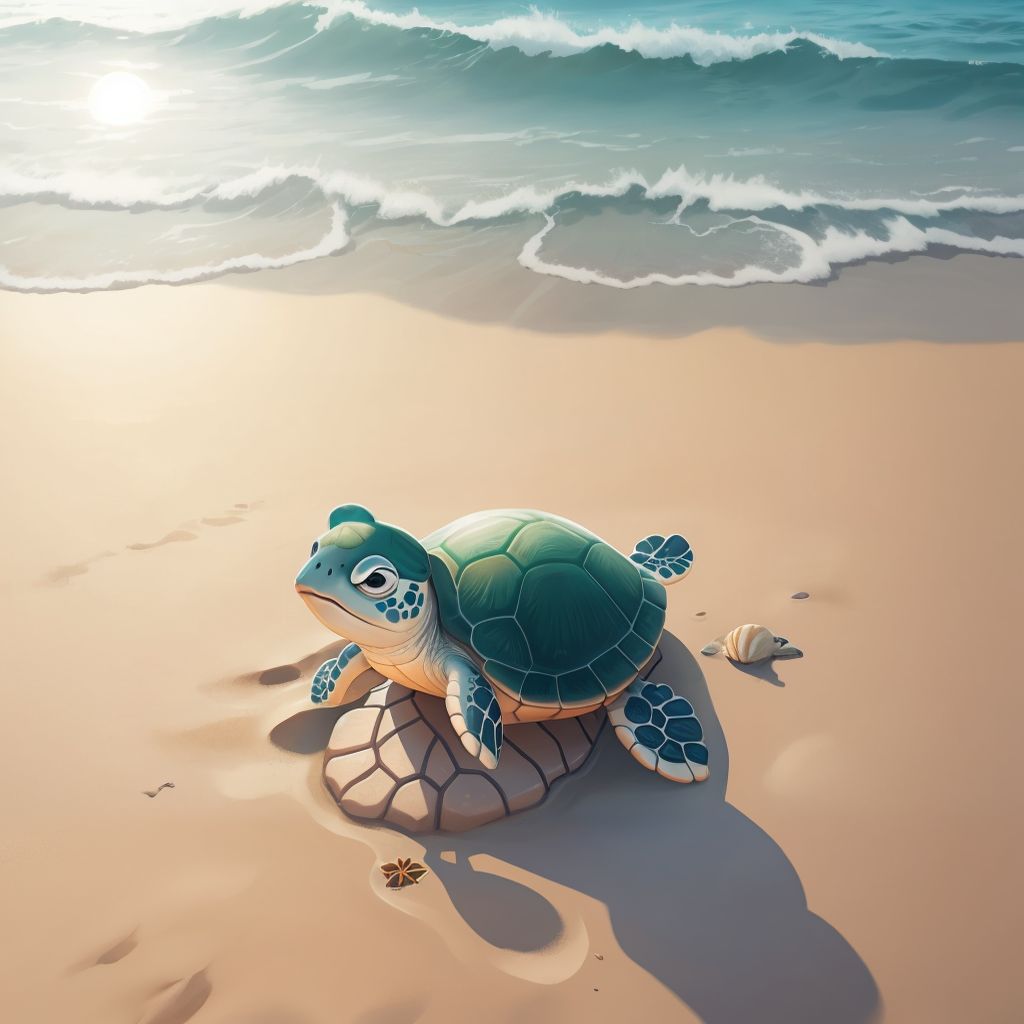
Page 1: Image: A sunny Constitution Beach with a nest of turtle eggs. Text: On a warm, sunny day, on Constitution Beach, a little turtle named Juliette hatched from her egg. She was the smallest of all her brothers and sisters. Page 2: Image: Juliette looking at the big ocean for the first time. Text: Juliette peeked out from her shell and saw the big, blue ocean. It looked so exciting and a little bit scary too. Page 3: Image: Juliette and her siblings moving toward the ocean. Text: "Come on, Juliette! Let's go to the water!" her brothers and sisters called out. Juliette took a deep breath and started to crawl toward the ocean. Page 4: Image: Juliette meeting a friendly crab. Text: On her way, Juliette met a friendly crab named Leah. "Hello, little turtle! Where are you going?" Leah asked. "I'm going to the ocean," Juliette replied. "But it's so big, and I'm so small." Page 5: Image: Leah encouraging Juliette. Text: "Don't worry, Juliette," Leah said with a smile. "You are braver than you think. Just keep moving forward." Page 6: Image: Juliette encountering a seagull. Text: As Juliette crawled, she saw a big shadow above her. It was a seagull! Juliette felt a little scared, but she remembered Leah's words. Page 7: Image: Juliette hiding in her shell. Text: Juliette quickly hid in her shell. The seagull flew away, and Juliette felt proud of herself for being so brave. Page 8: Image: Juliette finally reaching the water. Text: Finally, Juliette reached the edge of the ocean. The waves tickled her tiny flippers, and she giggled. She did it! She made it to the ocean. Page 9: Image: Juliette swimming in the ocean with other sea creatures. Text: Juliette swam happily in the water, meeting colorful fish and friendly dolphins. She felt brave and strong. Page 10: Image: Juliette looking back at the beach. Text: As the sun set, Juliette looked back at Constitution Beach. She knew that no matter how small she was, she could do anything if she believed in herself.
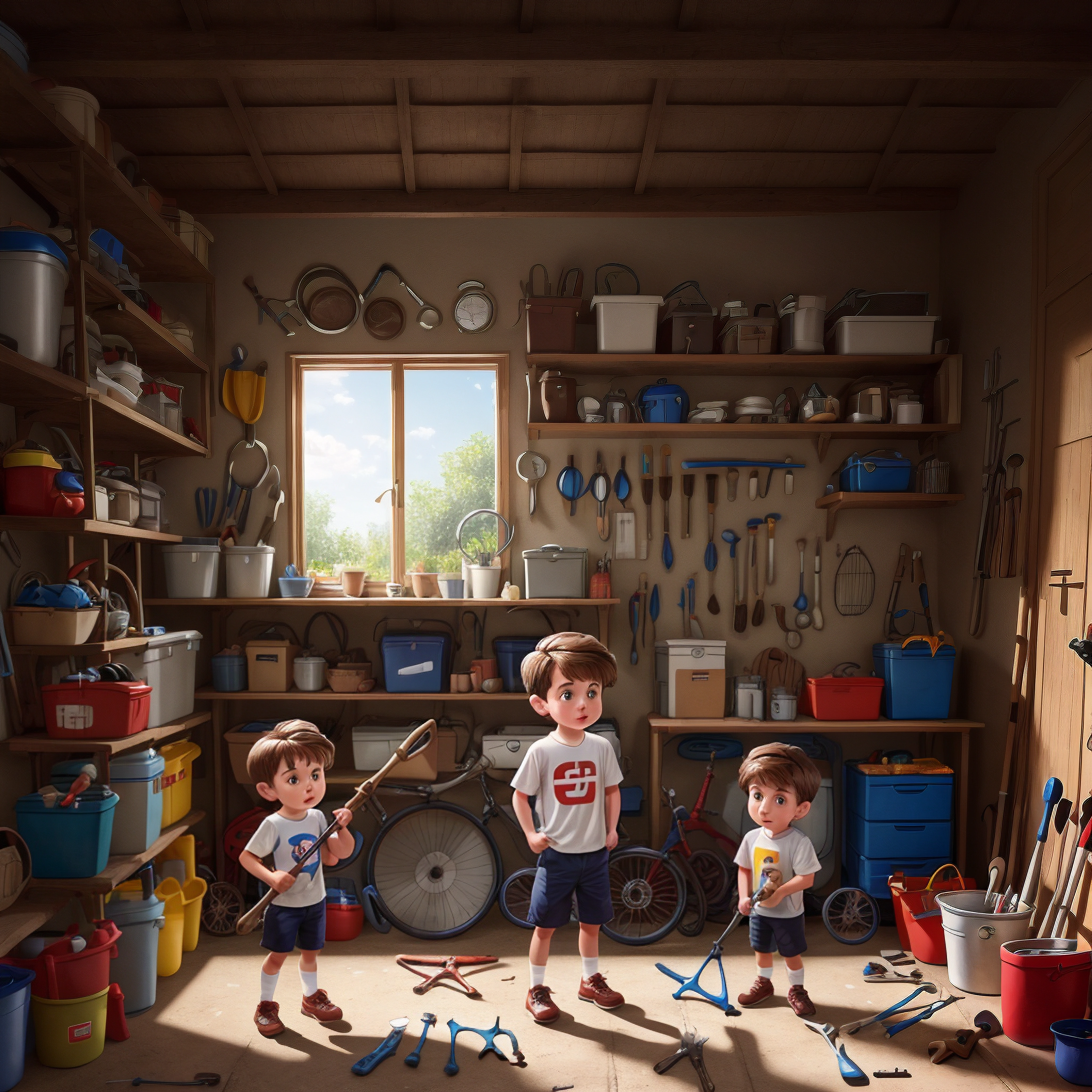
Boy gets in trouble after playing with power tools. Boy sneaks into garage and cuts legs off dads work bench. Dad whips the boy. Boy blows up garage.
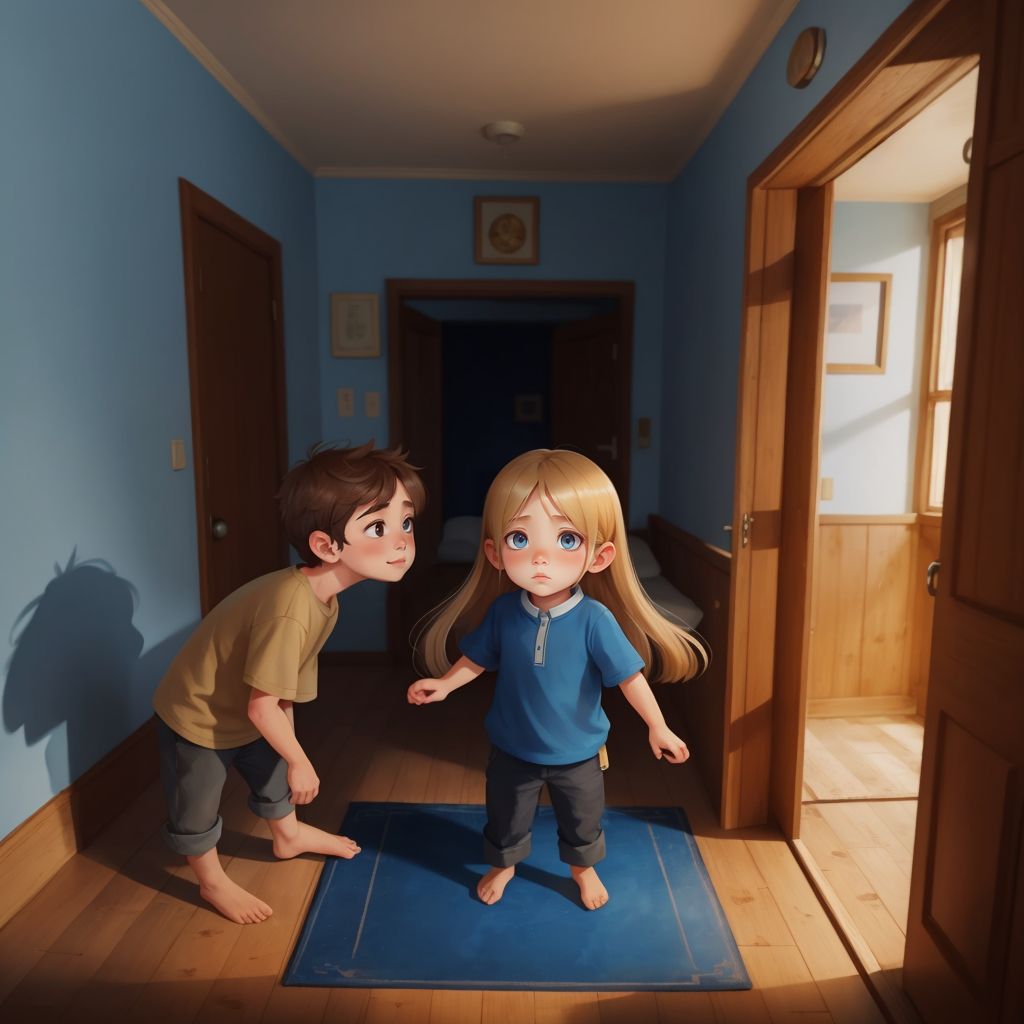
1. two young brothers, Joel (9) and Charlie (7) find a glowing blue portal under the floorboards of their bedroom 2. they get pulled into the portal and find themselves in another world where dragons are real and can talk 3. they are met by two dragons who are attracted by the glowing portal. They are Iceclaw (a female blue dragon who blows ice) and her brother Firewing (a male red dragon who breathes fire) 4. together they set off the discover the new world they have discovered 5. Iceclaw shares that they are not the first humans to travel through the portal, but it has been a very long time since anyone did so, and they thought humans were just a myth 6. Joel and Charlie learn how to ride the dragons as they fly 7. They discover an upside down waterfall, a village in the clouds, and a forest turned to stone 8. the dragons take the boys back to the portal so they can return home, only to find the portal has been removed and they cannot get home
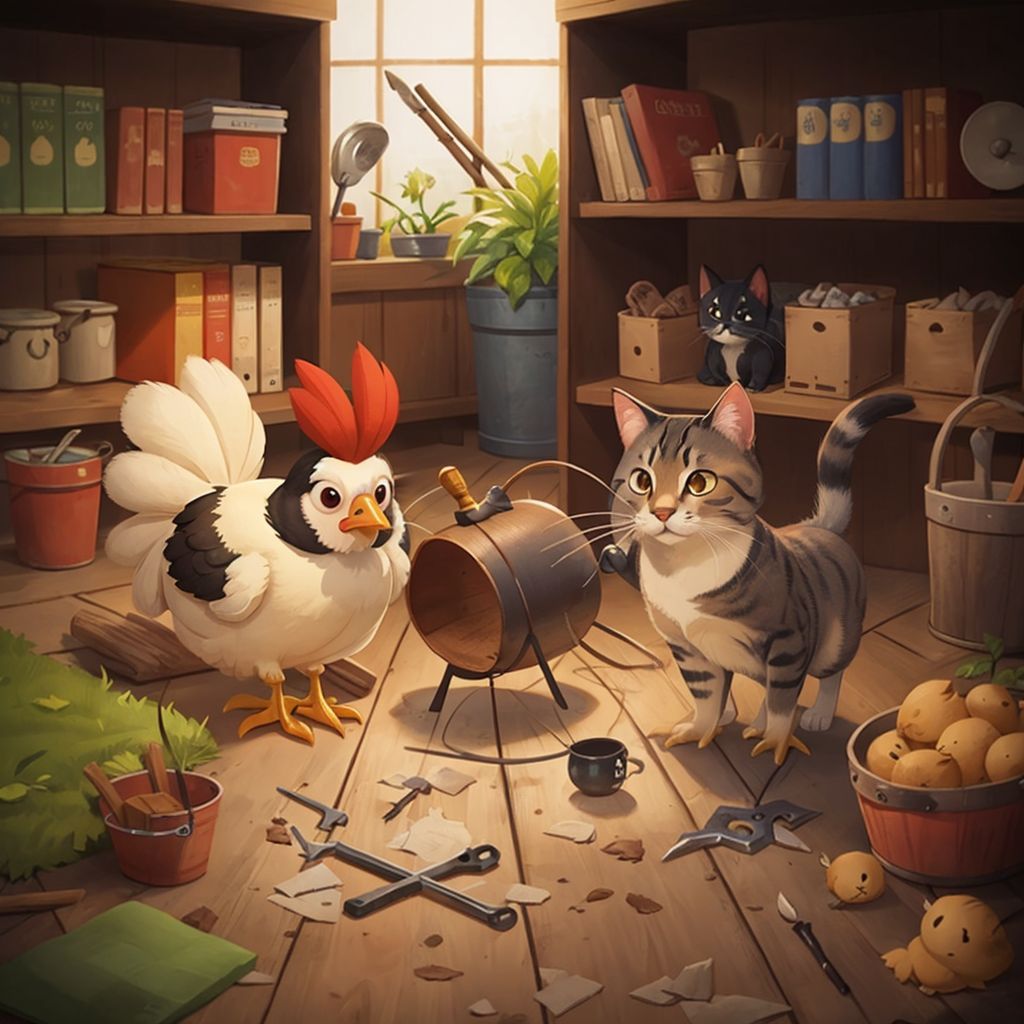
In a village where peace and comfort always reigned, something suddenly went wrong. During the night, household items began to disappear: buckets, rags, even small tools. The villagers grew anxious and quickly decided that one of the forest predators must be to blame. But our main characters, who shared the same yard, decided to take matters into their own paws, wings, and little claws to solve the mystery themselves.
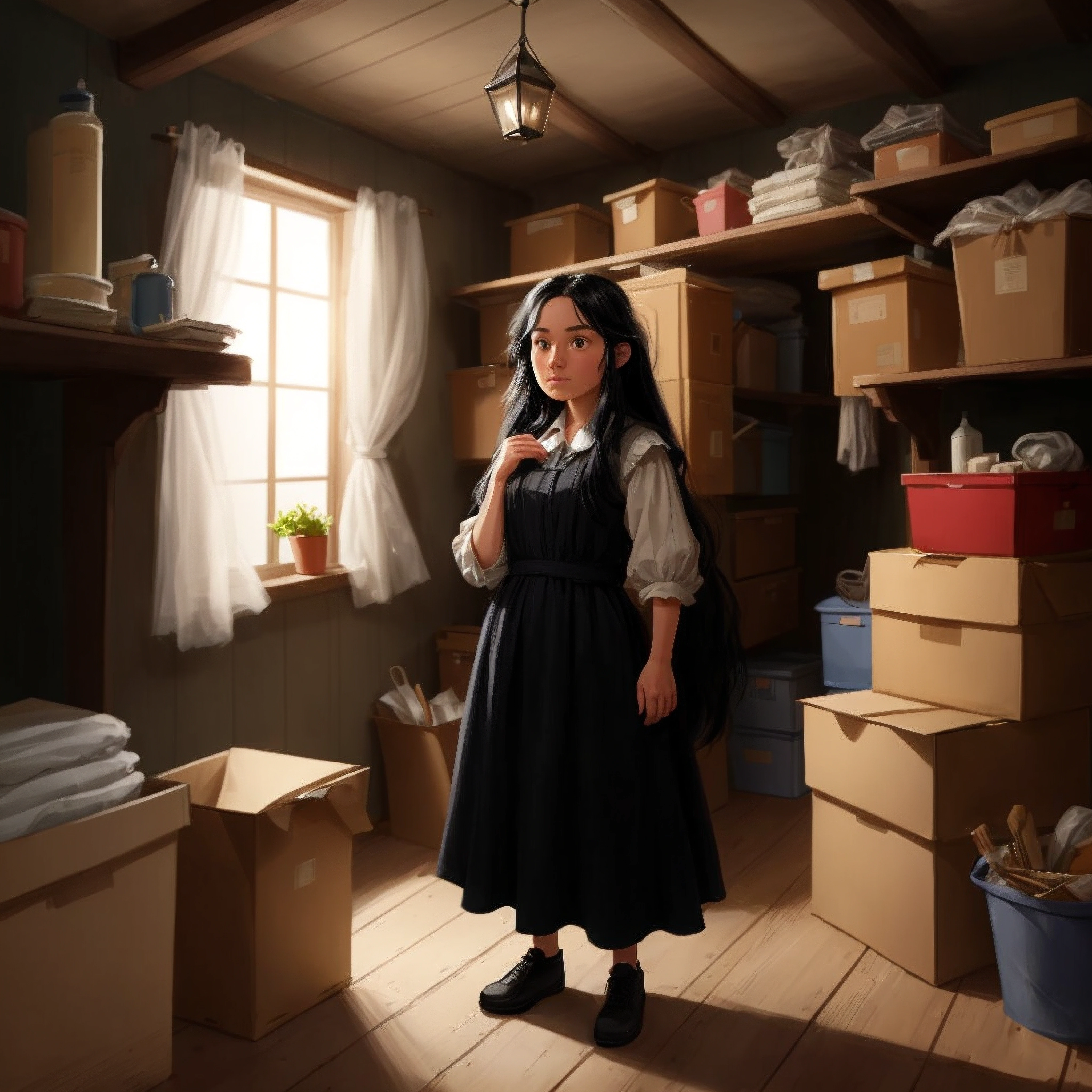
A mystery in the closet
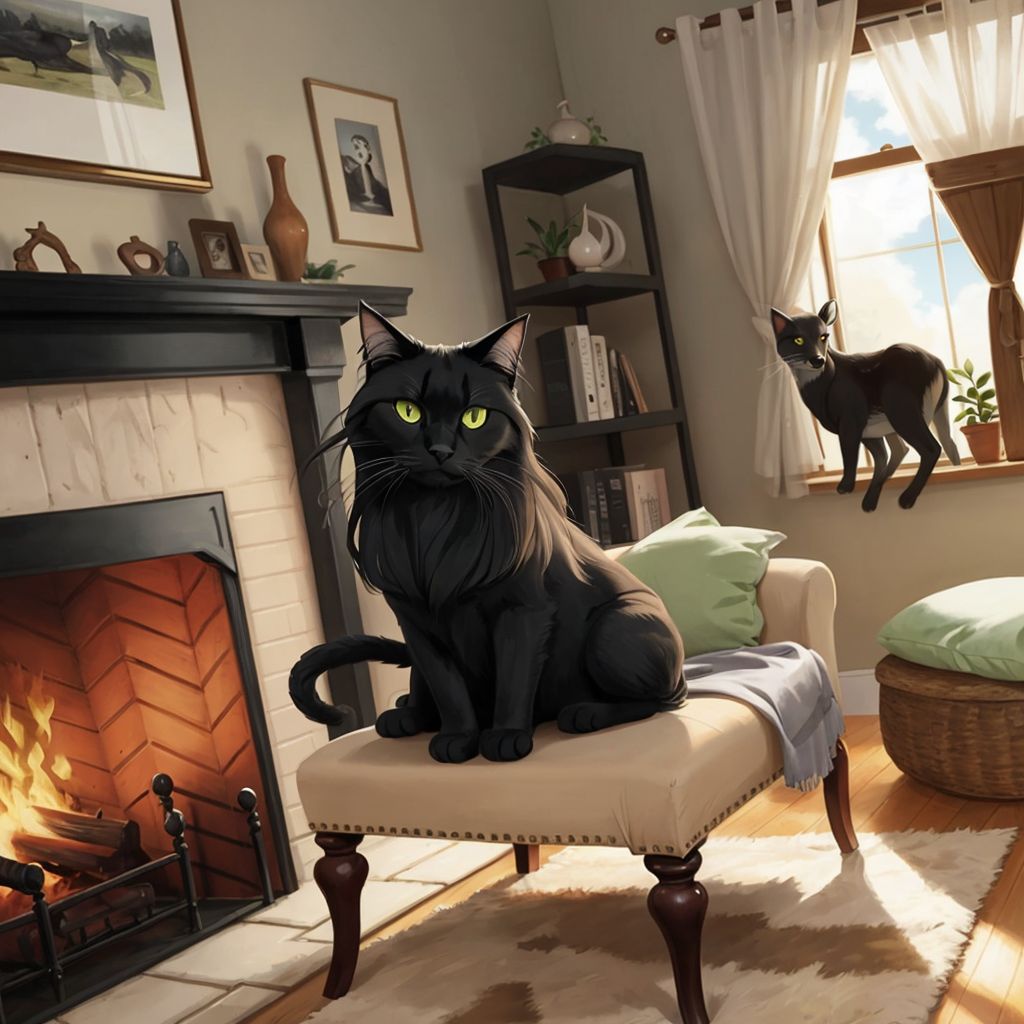
In this heartwarming tale, Pepe, a fluffy black cat with bright green eyes, finds a loving home with Mom and Dad. As Pepe settles into his new life, he enjoys cozy evenings, watching deer through the window, and being the center of attention. But when Mom and Dad decide to add a new member to their family, Pepe meets Davie, a playful little kitten. Together, they discover the joys of companionship and the love that grows as their family expands, ultimately welcoming a new baby into their lives.
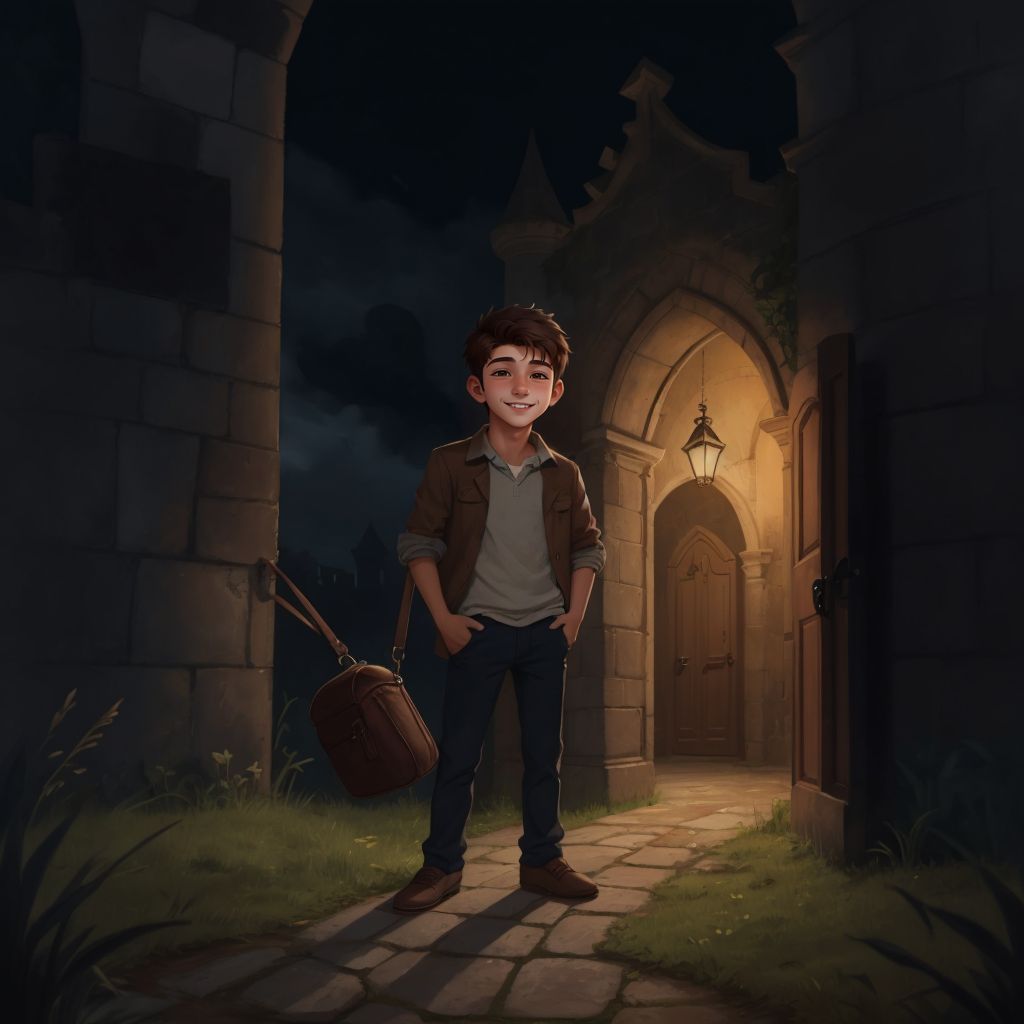
Juan, apodado “sin miedo”, aceptó el reto del rey: pasar tres días en un castillo embrujado para casarse con la princesa. Intrépido, exploró el lugar, encontrándose con fantasmas y duendes. Participó en su cena y juegos macabros sin inmutarse. Incluso cuando un duende lo desafió, Juan no temió y terminó ayudándolo, ganando su gratitud y riquezas. Al relatar su valentía, se casó con la princesa, pero aún desconocía el miedo. Ironícamente, fue la princesa quien, con un simple vaso de agua, le enseñó finalmente qué era sentir miedo.

Lonnie is a piglet and this curious piglet got lost on the farm. traveling through all the areas on the farm asking the other animals if they know the way back to Lonnie's pen where Lonnie can find his mom

A poor woodcutter loses his axe in a river. When a fairy offers him a golden and a silver axe instead, he refuses and insists on having his own. The fairy rewards his honesty by giving him all three axes.
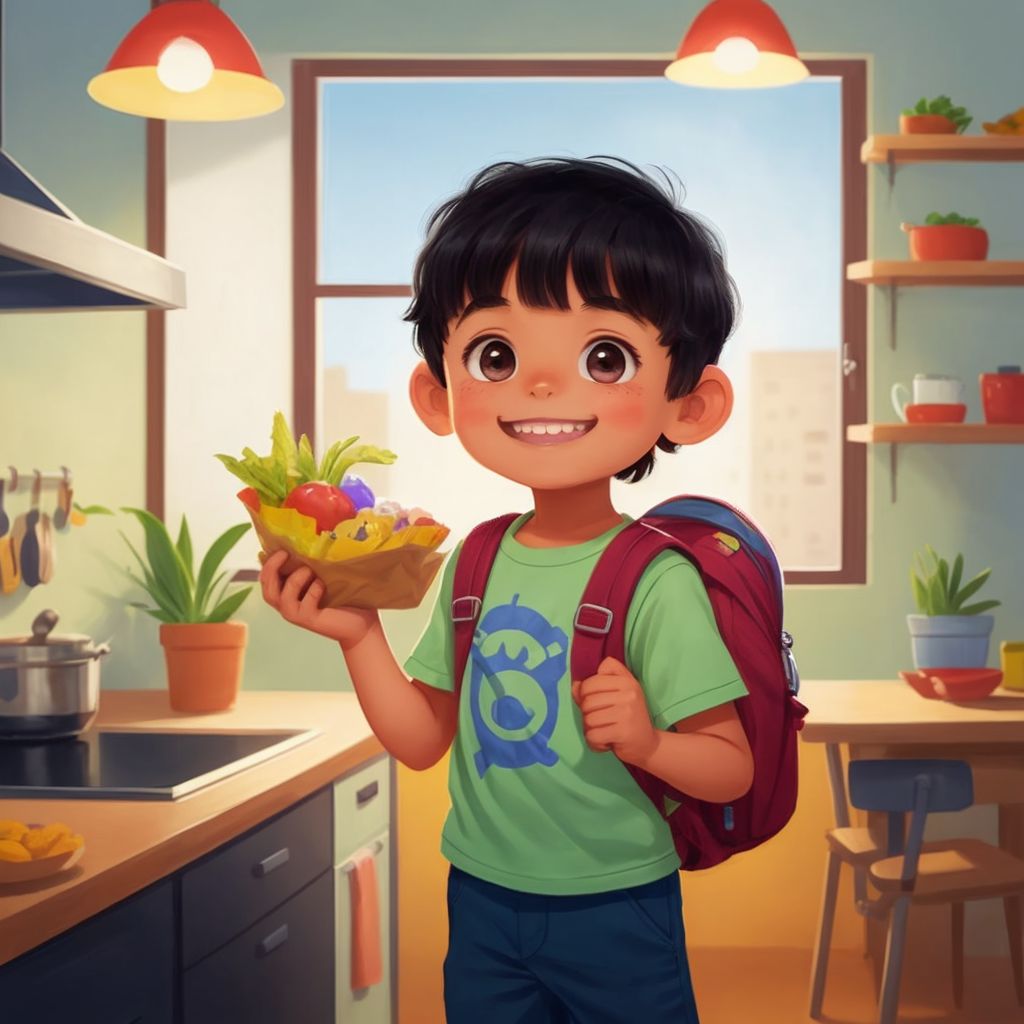
Juan is a 4 year old boy with black hair that goes on an adventure to learn all about his ABC's.
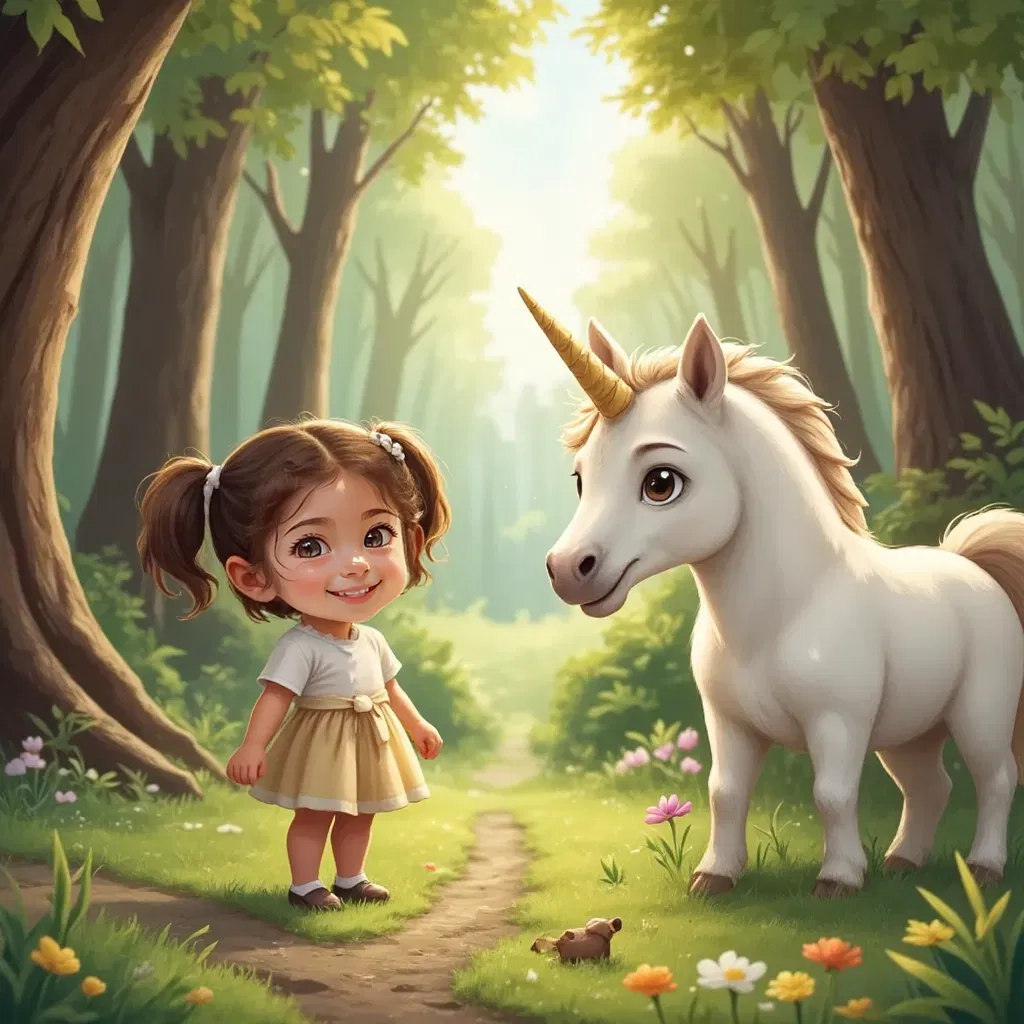
dina spends her time with the unicorn
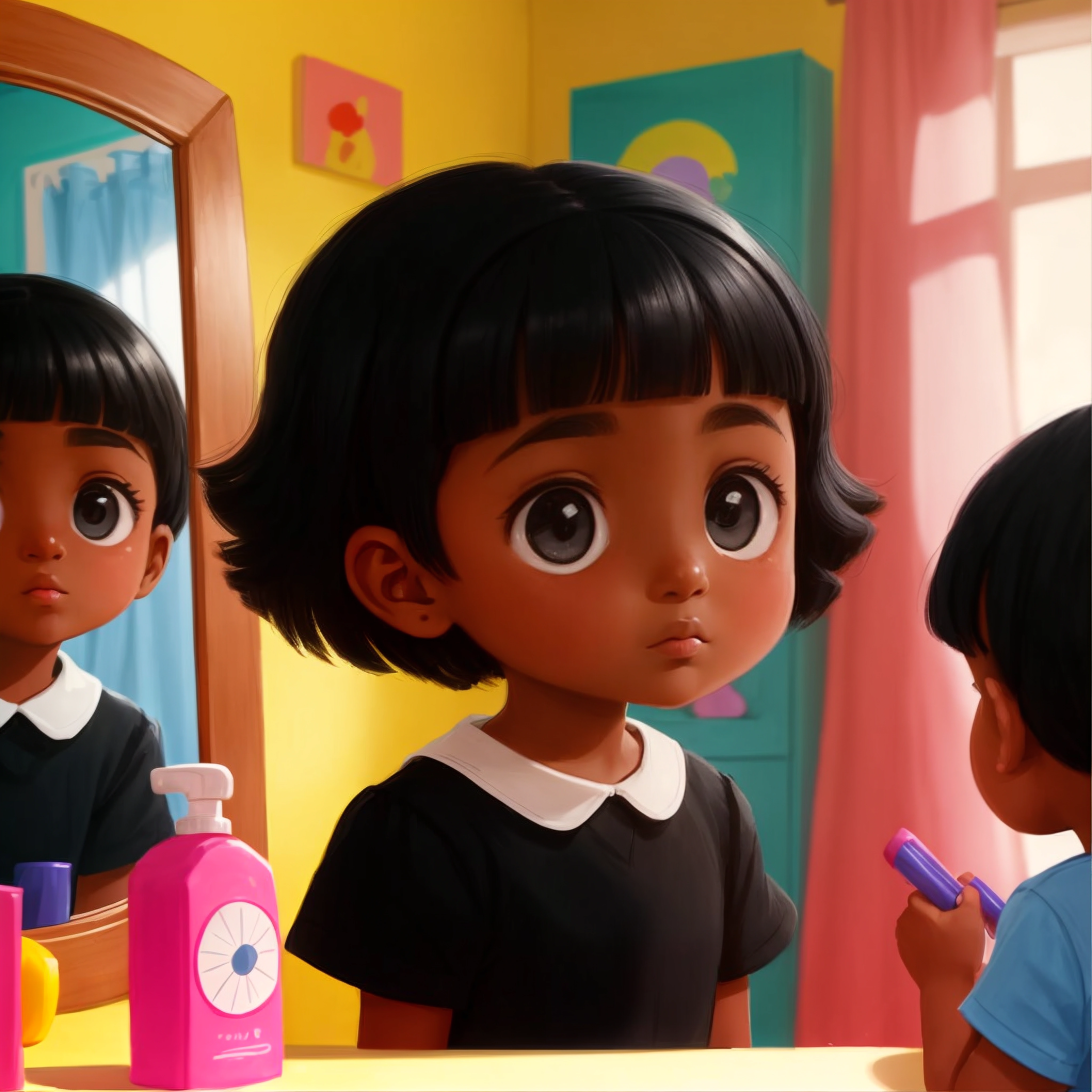
Clare is embracing her new hairstyle
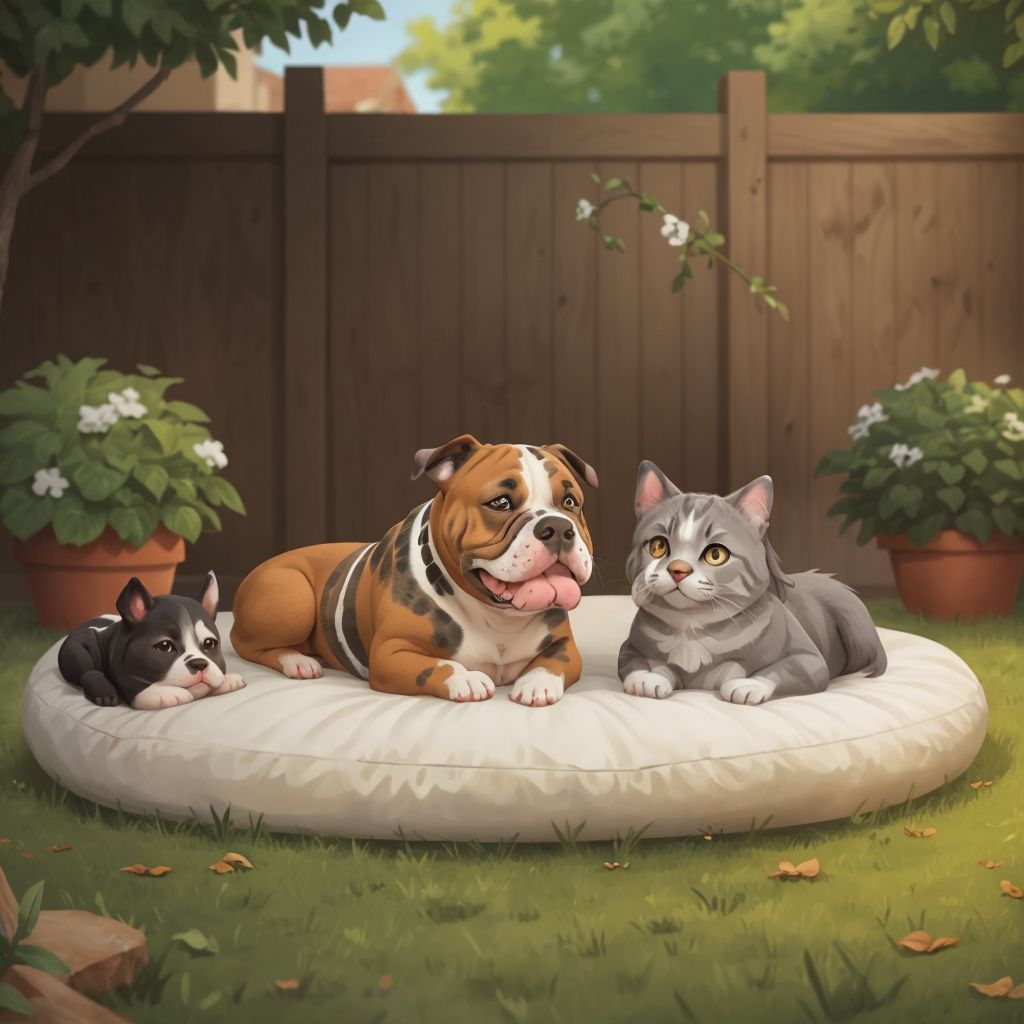
Page 1 Once upon a time, in a cozy little house on a quiet street, there lived a bulldog named BOLO. BOLO was a strong, brave dog with a big heart, and he loved nothing more than exploring his yard and taking naps in the sun. But there was one thing BOLO loved even more than anything else—his best friend, a tiny kitten named Tilly.
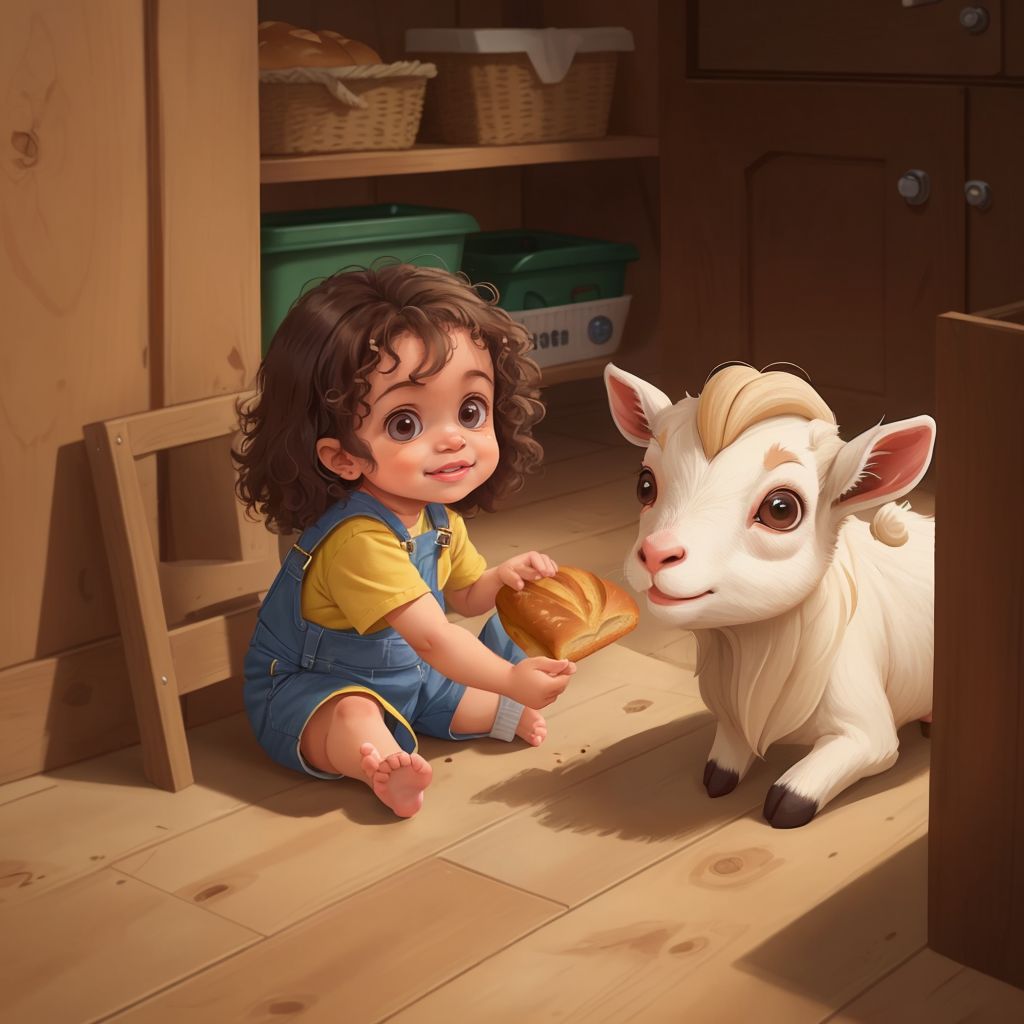
Story about a little girl and her little goat.
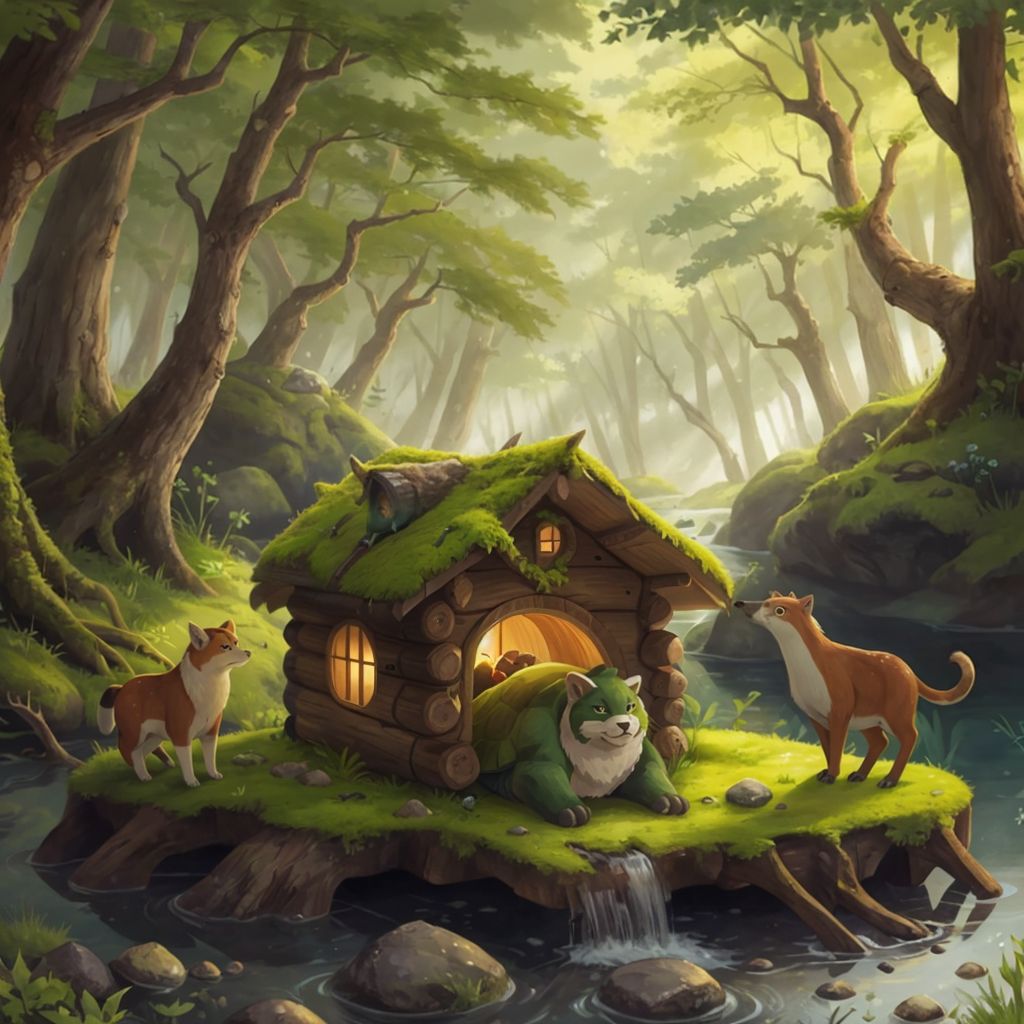
Once upon a time, in a vast and lush green forest, there lived a wise tortoise whom everyone respected. His name was Kavi. Kavi was old but very knowledgeable. Kavi lived by the edge of a great lake. His home was hidden inside an old log covered in moss. The animals of the forest loved visiting him because Kavi always told interesting stories and gave wise counsel. One day, a big argument broke out in the forest. The rabbit, Tikur, accidentally took the acorns that the squirrel, Mirmir, had collected to his own burrow. Mirmir was very angry about this, and the animals of the forest were divided. Some supported Tikur, while others sided with Mirmir. The argument grew louder, and the animals started shouting at each other. Finally, they all decided to go see Kavi. The wise tortoise asked everyone to listen carefully and then began to speak slowly: “My dear friends, first of all, we must stay calm. Tıkır, did you take Mırmır’s acorns on purpose, or was it a mistake?” Tıkır bowed his head in sadness and said, “It was not my fault. I only picked up the ones that had fallen to the ground and took them to my burrow, thinking they were mine.”Kavi smiled and turned to Mırmır: “Mırmır, my friend, we now see that Tıkır made a mistake. But would you rather forgive this mistake, or continue fighting?”Mırmır thought for a moment and then sighed: “I know my friend didn’t do this with bad intentions. But I was very upset when I lost my acorns.” Kavi nodded and spoke wisely: “We all make mistakes from time to time. What matters is that we acknowledge our mistakes and learn to forgive one another.” Tıkır immediately stood up and promised Mırmır that he would collect plenty of acorns for him. Mırmır forgave him, and the two old friends made peace. From that day on, whenever there was a disagreement in the forest, the animals remembered Kavi’s wise words. The greatest lesson Kavi had taught them was about friendship and understanding.
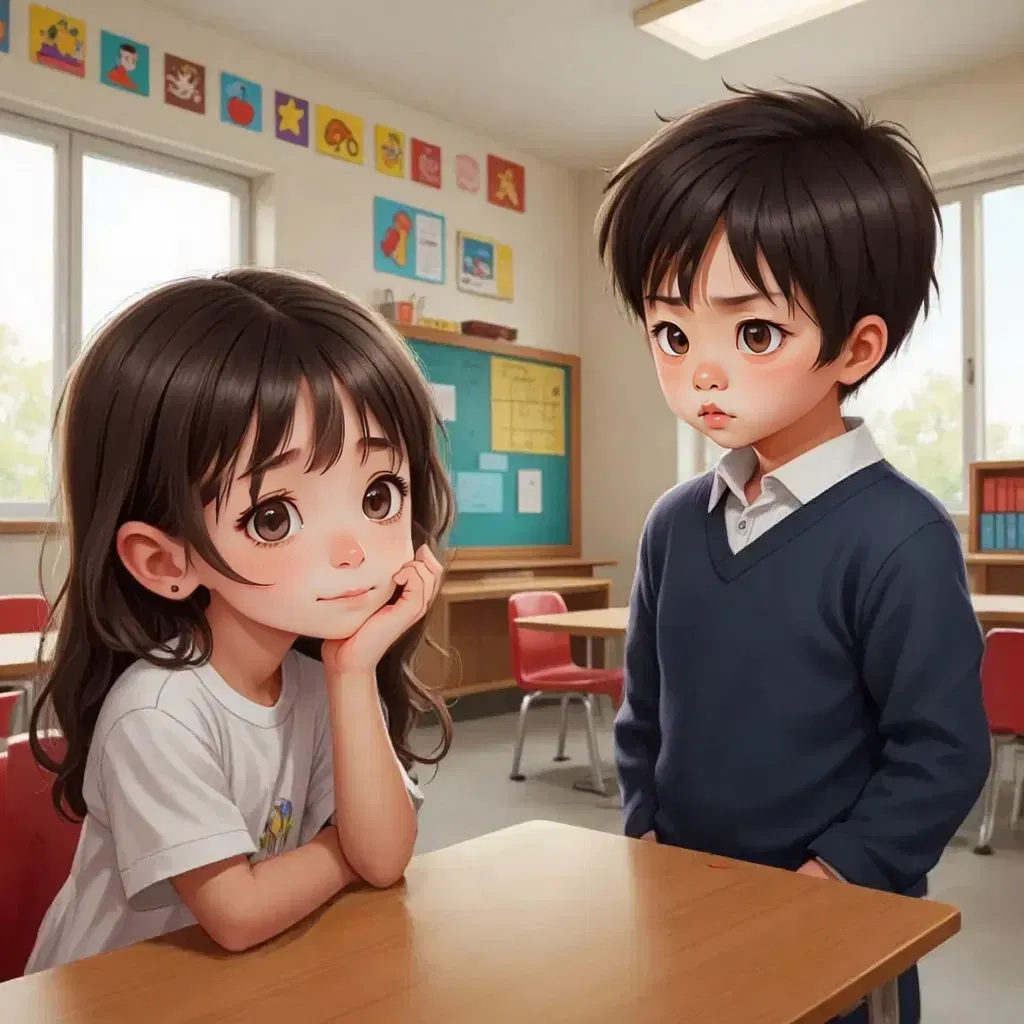
boy bully his girl friend
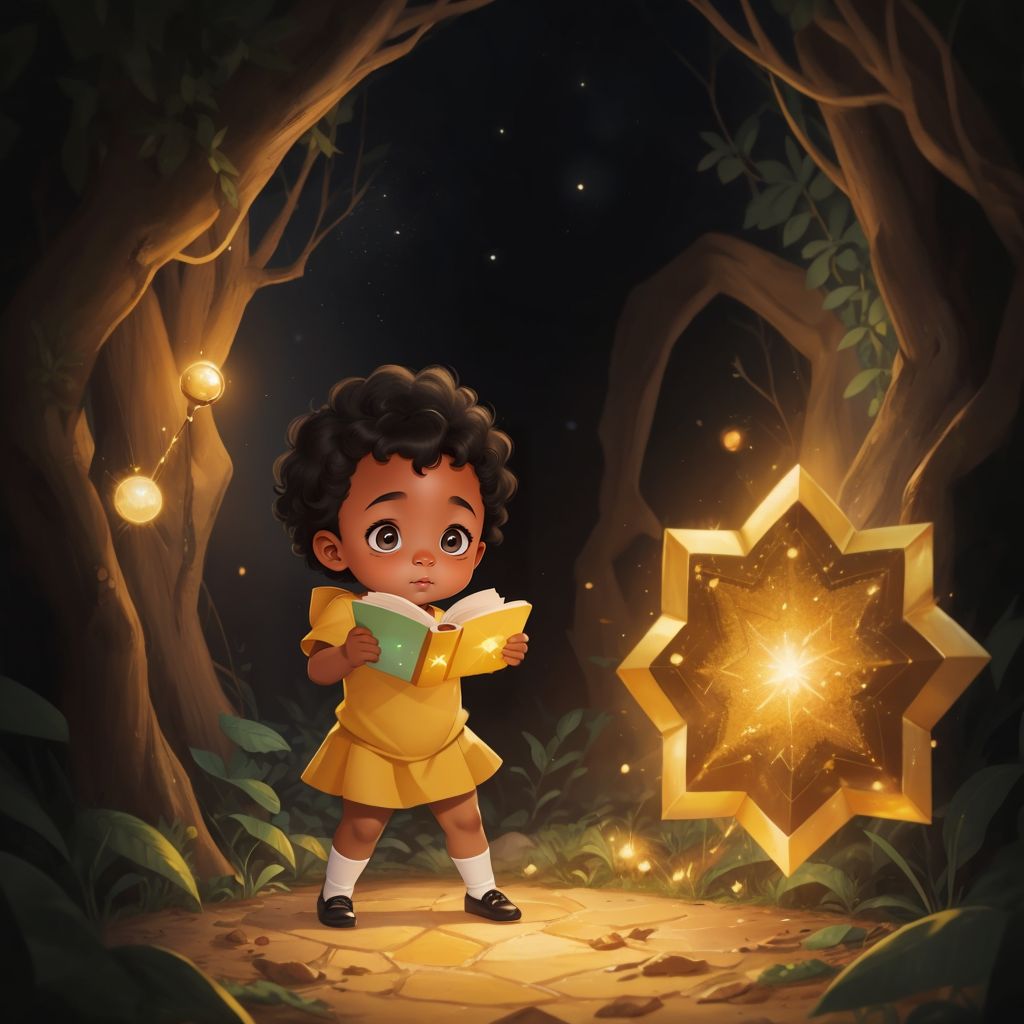
Pearl finds a magical book on her birthday that leads her to an enchanted forest where she finds friendly animals waiting to meet her
The true love was a cow, she was very wisdom and shy. One day her friend courage found that she was under danger.

He was fighting against another Spiderman octopus who shoots rock out of his tentacles

1. The girl walks into the hopsital and seeing radioactive images